





The Rise of Analog Appreciation
Across India, a fascinating trend is taking root. Young people are intentionally slowing down their communication by joining snail mail clubs. For a monthly subscription, often ranging from ₹300 to ₹500, members receive beautifully crafted letters, postcards,
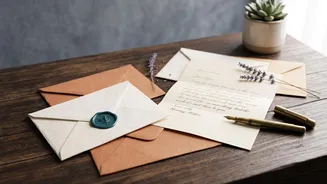
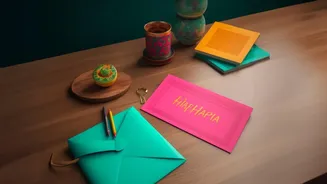
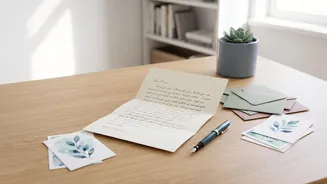
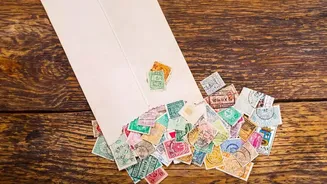
and other small keepsakes delivered to their physical mailboxes. These aren't bills or junk mail; they are curated packages of art and intimacy. Often organised online via social media, these clubs create offline experiences. They operate on a simple premise: the joy of receiving something tangible and personal in a world saturated with ephemeral digital content. These envelopes might be decorated with washi tape, vintage stamps, and pressed flowers, turning each letter into a unique piece of postal art.
A Conscious Uncoupling from the Algorithm
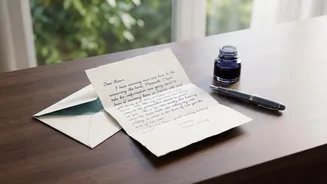
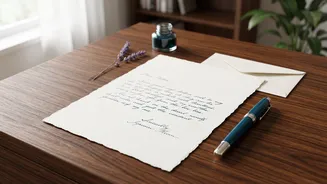
So, why is the generation that perfected the art of the DM now embracing the delay of 'daak'? The answer lies in digital fatigue. Studies show that a significant percentage of Gen Z is actively trying to limit screen time, feeling mentally exhausted by the constant scroll. The relentless pressure to stay online, coupled with the curated perfection of social media feeds, has left many craving authenticity and imperfection. A handwritten letter offers just that. Its smudges, crossed-out words, and unique script are proof of the human touch, a stark contrast to the polished uniformity of a digital message. This movement isn't a rejection of technology, but an attempt to build a more intentional life alongside it.
How Snail Mail Clubs Work in India
Initiatives like Daakroom are at the forefront of this revival, organising letter-writing carnivals and workshops in schools and cities to re-popularise the art form. Founded by two design graduates, Daakroom has engaged hundreds of thousands of people through its creative events. They even appeared on Shark Tank India, securing funding to expand their mission of promoting a digital detox culture. Other smaller, artist-led clubs have sprung up, such as The Madras Art Mail and Lifafa Mail Club, often using Instagram to build a community before translating those connections into physical mail. These clubs foster a sense of anticipation and delayed gratification that is missing from instant communication.
More Than Just a Letter
The contents of these mail packages are as diverse as their creators. Subscribers might find a handwritten note, a unique art print, quirky stickers, bookmarks, or even journaling prompts. The experience is deeply personal; some club founders describe the process as sending little pieces of themselves in each envelope. This is not about nostalgia for a past they never knew; it's about creating new, tangible memories. It’s a form of mindfulness, a way to slow down, reflect, and connect on a deeper level. Even India Post is getting involved, launching revamped, youth-friendly post offices on university campuses to make postal services more accessible and appealing to a younger demographic.
Forging Tangible Connections
Ultimately, the snail mail revival is about the search for genuine human connection. While digital platforms promise endless connectivity, they can often lead to feelings of isolation. A physical letter, on the other hand, is a private, tangible object that belongs only to the sender and receiver. It represents time, effort, and thoughtfulness—commodities that feel increasingly rare. It’s a small act of rebellion against a fast-paced world, a declaration that some things are worth waiting for. The joy isn't just in the message itself, but in the entire ritual: the anticipation of the postman's arrival, the feel of the paper, and the knowledge that someone took the time to create something just for you.