




The Amino Acid Equation
Building muscle isn't just about the quantity of protein; it's about the quality. Proteins are made of building blocks called amino acids. There are nine essential amino acids that our bodies cannot produce, so we must get them from food. Animal proteins
are 'complete,' meaning they contain all nine. Most plant proteins are 'incomplete,' lacking adequate amounts of one or more. This is where the concept of protein synergy, or complementarity, becomes a game-changer for vegetarians. By combining different plant foods, you can create a meal with a full amino acid profile, giving your muscles everything they need to repair and grow.
Pulses: The High-Lysine Heroes
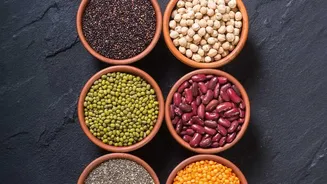
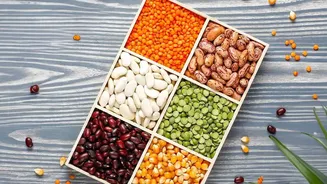
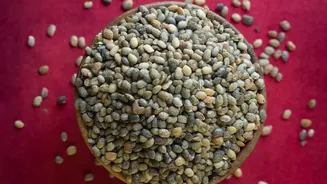
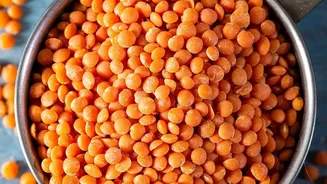
Pulses—a category that includes lentils, chickpeas, and various beans—are foundational for any plant-based diet focused on muscle growth. They are packed with protein, fiber, and vital nutrients. Their specific strength lies in their high content of the essential amino acid lysine. Many staple grains, like rice and wheat, are naturally low in lysine. This makes pulses the perfect partner to a wide variety of other plant foods. A single serving can significantly contribute to your daily protein needs; for example, a cup of cooked chickpeas or kidney beans can contain around 15 grams of protein.
The Secret of Synergy: Pulses and Grains
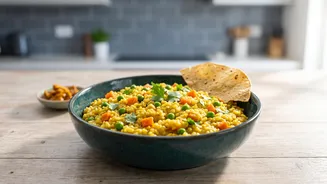
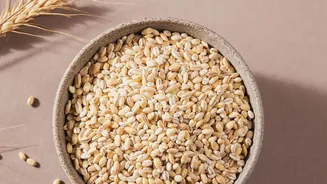
The most powerful and time-tested secret to plant protein synergy is pairing pulses with grains. While pulses are rich in lysine, they are typically lower in the sulfur-containing amino acid methionine. Grains, on the other hand, are high in methionine but low in lysine. When you eat them together, they perfectly complement each other's amino acid shortfalls, creating a complete protein profile that rivals animal sources. This isn't a new discovery; it's the nutritional science behind many traditional Indian and global dishes, like dal with rice or hummus with pita bread. These pairings were fueling populations long before the term 'protein synergy' was coined.
Power Pairings for Your Plate
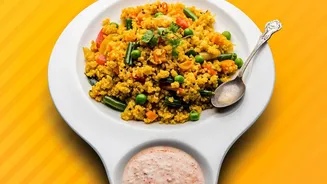
Putting this theory into practice is both simple and delicious. The goal is to ensure you're getting a mix of plant protein sources. You don't even need to eat them in the same exact meal, as long as you consume a variety throughout the day. For a classic and effective combination, pair lentils or beans with brown rice. Think of a hearty rajma-chawal or a lentil curry served over a bed of rice. Hummus, made from chickpeas and tahini (sesame paste), served with whole-wheat pita bread is another excellent example of synergy between a legume and a grain/seed. Even a simple snack like peanut butter on whole-grain bread combines a legume with a grain to provide a complete protein.
Beyond Grains: Nuts and Seeds
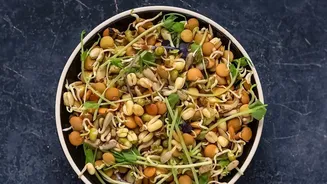
Don't limit your pairings to just grains. Nuts and seeds are another fantastic complement to pulses. They provide healthy fats and can fill in amino acid gaps. For instance, tahini in hummus is made from sesame seeds, which add the methionine that chickpeas lack. You can boost the protein quality of a simple lentil salad by sprinkling it with sunflower or pumpkin seeds. For those looking for complete protein sources in a single ingredient, foods like quinoa, tofu, and tempeh are excellent choices, as they naturally contain all nine essential amino acids. Incorporating these into your meal rotation adds variety and simplifies your protein planning.