
Start with the Breath: Pranayama
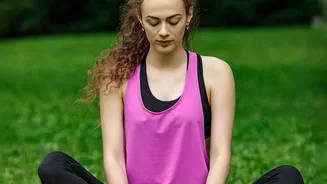
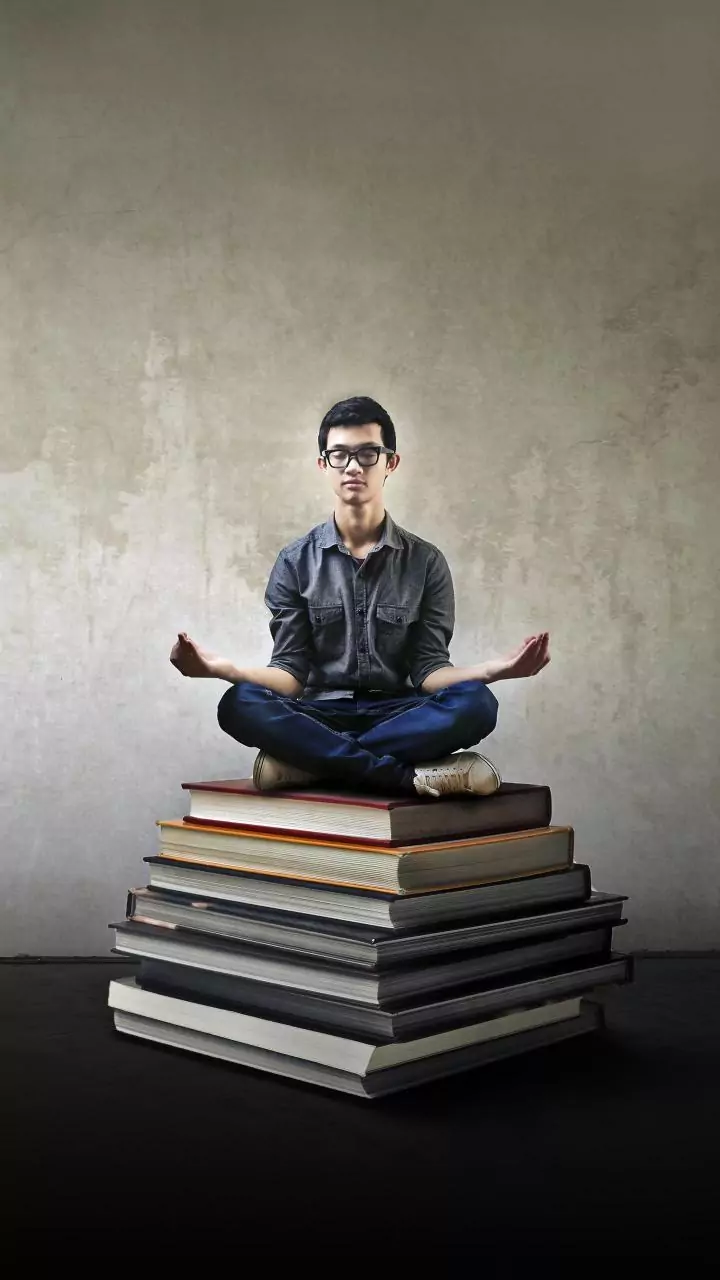
Before diving into physical postures, the foundation of stress management in yoga lies in conscious breathing, or pranayama. When we are stressed, our breath becomes shallow and rapid. Slowing it down sends a direct signal to the nervous system to relax.
A simple technique to begin with is 'Box Breathing'. Inhale slowly for a count of four, hold your breath for four, exhale slowly for four, and hold again for four. Repeating this for just a few minutes can quiet an anxious mind, making it easier to absorb new information.
Cat-Cow Stretch (Marjaryasana-Bitilasana)
Hours spent hunched over books can lead to significant tension in the neck, shoulders, and spine. The Cat-Cow stretch is a gentle, flowing movement that helps release this stiffness. Start on your hands and knees, with your wrists under your shoulders and knees under your hips. As you inhale (Cow pose), drop your belly, lift your chest and look forward. As you exhale (Cat pose), round your spine towards the ceiling and tuck your chin to your chest. This movement not only relieves physical discomfort but also improves blood flow and helps sync your breath with your body, creating a meditative state.
Child's Pose (Balasana)
Child's Pose is a deeply restorative posture that offers a moment of quiet surrender. It's an excellent pose to turn to when feeling overwhelmed or anxious. From your hands and knees, bring your big toes together, spread your knees wide, and sit back on your heels. Fold forward, resting your torso between your thighs and your forehead on the floor. You can stretch your arms forward or rest them alongside your body. This pose gently stretches the hips and back while calming the brain, providing an instant sense of relief and security.
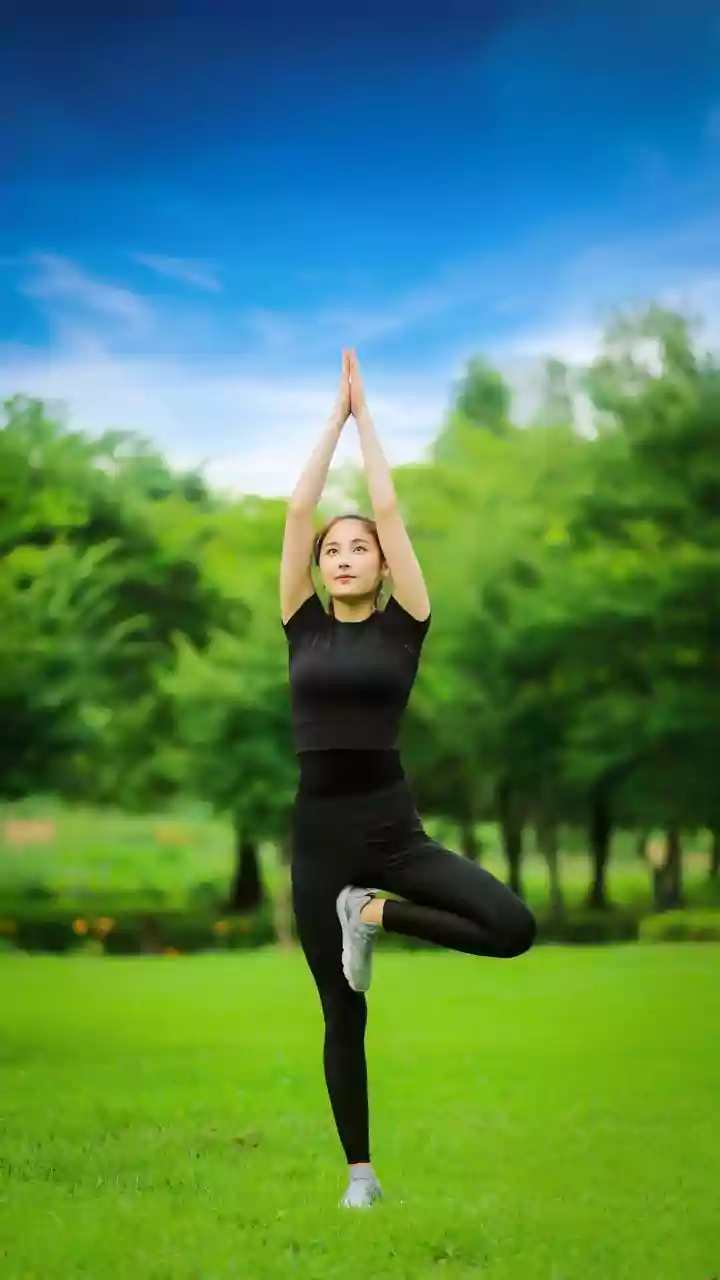
Tree Pose (Vrikshasana)
Sharpening the mind is just as crucial as managing stress during exams. Tree Pose is a balancing posture that works wonders for improving concentration and focus. Stand tall and shift your weight onto your left foot. Place the sole of your right foot on your inner left ankle, calf, or thigh (avoiding the knee joint). Bring your hands to a prayer position at your chest. Finding a fixed point to gaze at will help you maintain balance. Holding this pose requires complete attention, effectively training your mind to stay present and steady.
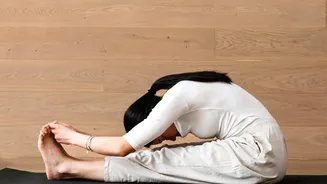
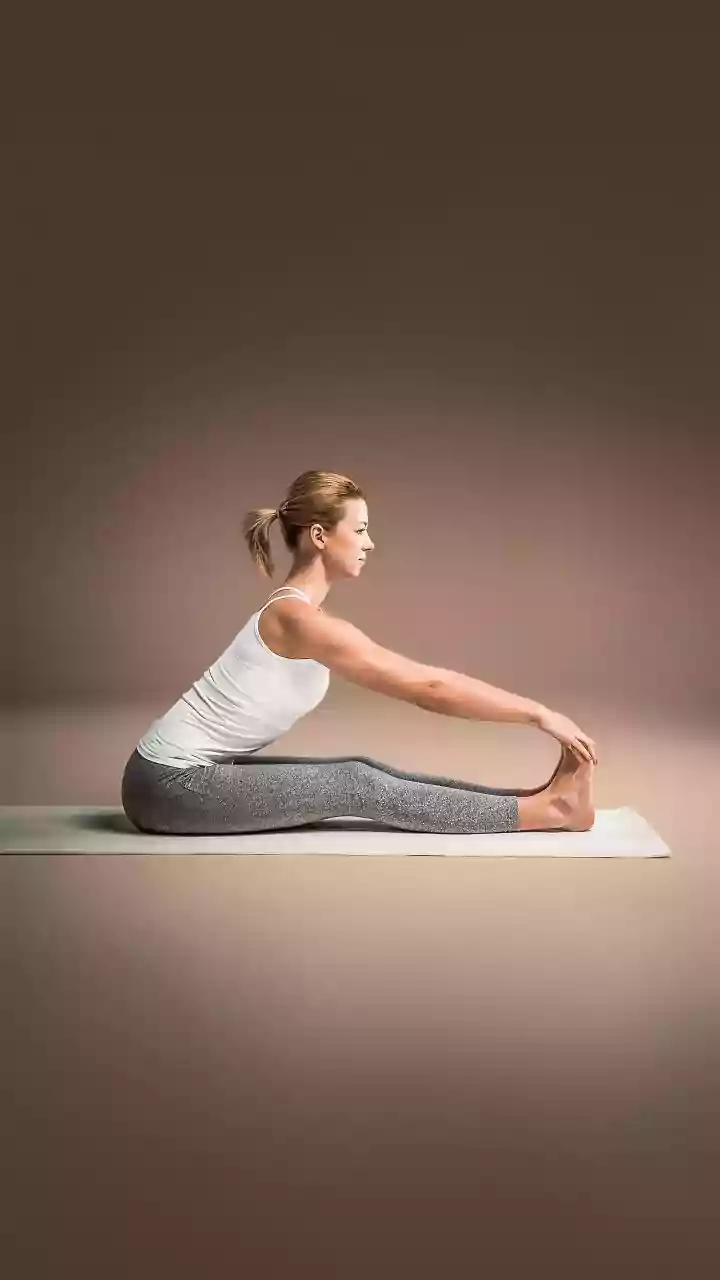
Seated Forward Bend (Paschimottanasana)
This pose is known for its ability to calm the brain and relieve mild stress and anxiety. Sit on the floor with your legs stretched out in front of you. You can keep a slight bend in your knees. Inhale to lengthen your spine, and as you exhale, hinge at your hips to fold forward over your legs. Let your head hang heavy. The stretch along the spine and hamstrings, combined with the forward fold, has a soothing effect on the entire nervous system and increases blood supply to the brain.
Corpse Pose (Savasana)
While it may seem like just lying down, Savasana is arguably one of the most important and challenging poses. It teaches the art of conscious relaxation. After a study session or a short yoga practice, lie flat on your back with your legs slightly apart and arms resting by your sides, palms facing up. Close your eyes and bring your attention to your breath without controlling it. Allow your entire body to feel heavy and release any remaining tension. Five to ten minutes in Savasana can be as restorative as a short nap, helping to integrate what you've learned and reset your mind for the next task.