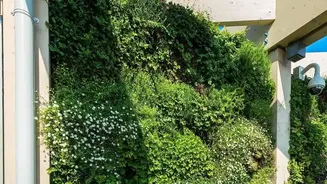




Vertical gardens transform walls into vibrant, living art, but their success hinges on a crucial, often-overlooked detail: drainage. Choosing the right container is the first step to ensuring your plants thrive, not just survive.
Why Drainage Is Everything
In any garden, proper
drainage is key, but in a vertical setup, it's a make-or-break factor. Without a clear path for excess water to escape, soil becomes waterlogged. This suffocates plant roots, preventing them from absorbing oxygen and nutrients. The result is root rot, a fungal condition that can quickly kill even the hardiest plants. Gravity also plays a major role; water naturally pulls downward, meaning top-tier plants can dry out while bottom-tier plants are drowning in runoff. Good drainage helps create a balanced environment for every plant on your wall, preventing disease and ensuring long-term health.
Exploring Container Types
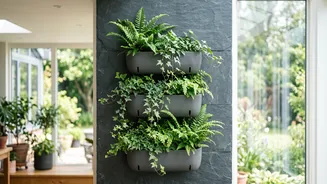
Vertical garden containers come in many shapes and sizes, each with its own approach to drainage. Understanding the main types is the first step to choosing the right one for your space and plants. Felt or Fabric Pockets: These are lightweight and breathable, allowing for excellent aeration. The fabric material wicks away excess moisture, which helps prevent overwatering. They are a popular and affordable option, especially for growing herbs and annuals. Modular Plastic or Composite Trays: These systems consist of individual pots or trays that click into a frame. Many are designed with built-in drainage holes and collection trays that either capture runoff or channel it to the plants below, creating a cascading water system. Stackable Planters: These pots are designed to sit one on top of another, making efficient use of vertical space. Quality versions feature a flow-through design where water from the top tier trickles down to water the levels below, with a collection saucer at the base. Recycled and DIY Options: Creative gardeners often repurpose items like pallets, gutters, or even plastic bottles. While budget-friendly, these almost always require manual modification, such as drilling holes, to ensure adequate drainage.
Key Features to Look For
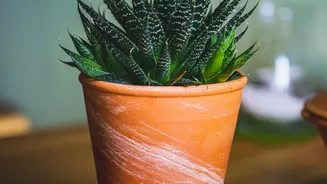
When shopping for containers, keep an eye out for features that promote healthy water flow. The most obvious are drainage holes at the bottom of each pot or pocket. For indoor vertical gardens, a system with built_in water trays or a double_pot design is essential to catch runoff and protect your floors. Some advanced systems even feature integrated reservoirs for a self_watering mechanism, which reduces the frequency of watering while preventing both drought and waterlogging. The container material also matters. Porous materials like fabric or terracotta dry out faster, while plastic retains moisture longer, making the presence of drainage holes even more critical.
Common Drainage Mistakes to Avoid
Many beautiful vertical gardens fail due to simple, avoidable errors. One is using heavy, dense garden soil instead of a lightweight potting mix. A good mix for vertical containers will contain perlite or other materials to keep it fluffy and allow water to pass through freely. Another common issue is underestimating the weight. Soil, plants, and especially water are heavy, so ensure your wall and mounting hardware can support the fully saturated garden. Finally, remember that not all plants have the same water needs. Placing drought_tolerant plants at the top (which dries out fastest) and water_loving plants at the bottom can help you work with gravity, not against it.