



A Glimpse of the Future Farm
The 24th edition of Agri Intex, running from July 9th to 13th, is a dazzling showcase of agricultural innovation. With over 450 companies participating, the halls of the CODISSIA Trade Fair Complex are filled with the machinery that promises to revolutionize
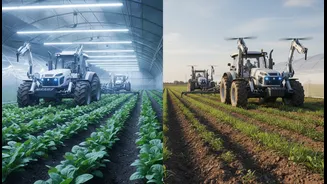
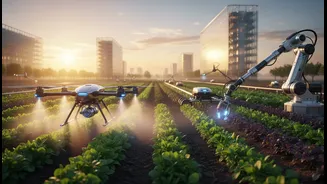
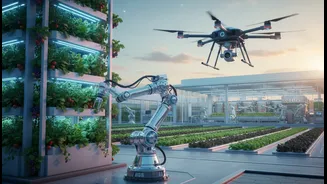
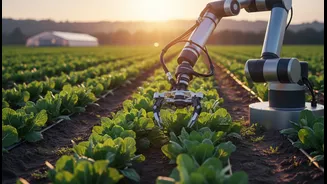
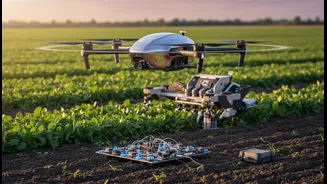
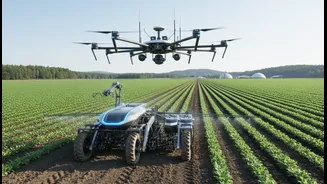
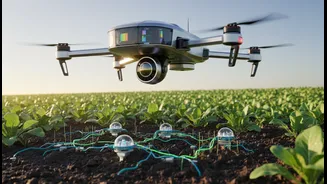
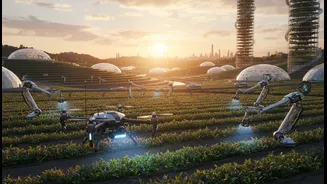
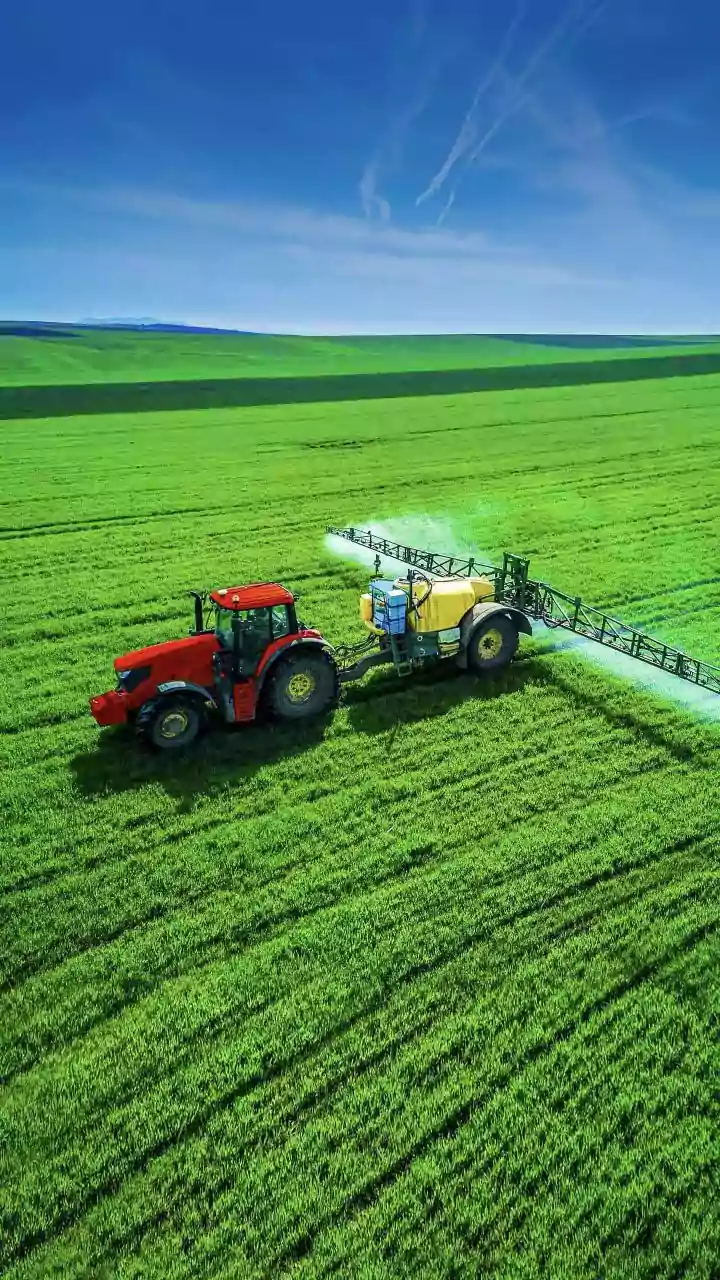
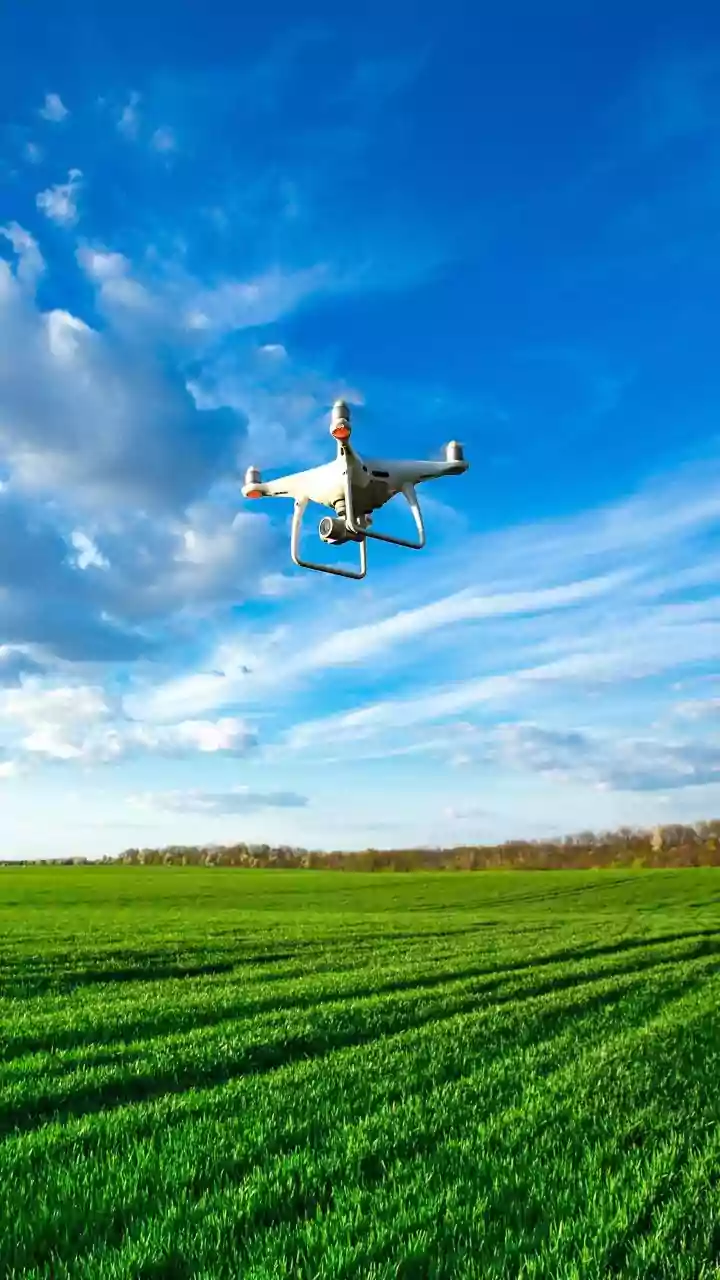
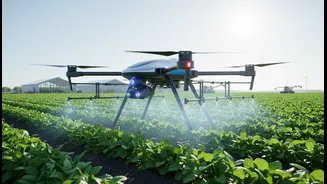
Indian agriculture. Advanced drone sprayers capable of covering vast fields with precision are a major draw. Automated harvesters and direct paddy-transplanting machines aim to solve the persistent issue of labour shortages. Experts at the event have stressed the need for such technologies, especially climate-resilient tools like automated micro-irrigation, to combat rising temperatures and uncertain weather patterns. Multi-purpose electric vehicles like the FarmX 500, which can handle spraying, load-carrying, and stubble removal in one machine, demonstrate a clear trend towards efficiency and automation.
The High Cost of Innovation
For the majority of India's small and marginal farmers, the initial excitement quickly gives way to a harsh reality: cost. The price tag for this advanced equipment is a significant barrier. A professional-grade agricultural drone, for example, can cost anywhere from ₹2,50,000 to over ₹30,00,000, depending on its capabilities. This is a formidable investment for a farmer operating on tight margins. While studies show these technologies can increase yields and reduce input costs for things like pesticides and fertilizers, the upfront capital required is often prohibitive. This financial hurdle means that the most advanced tools risk becoming the exclusive domain of large agricultural corporations and wealthy landowners, potentially widening the gap between them and the smallholders who form the backbone of Indian agriculture.
More Than Just Owning the Machine
Even if a farmer could afford the technology, a second major hurdle remains: training. Operating these sophisticated tools requires a new set of skills. Flying a drone is one thing, but effectively using the data it collects is another challenge altogether. Multispectral drones generate complex crop health maps that need to be accurately interpreted to guide decisions on irrigation and fertilization. Maintenance, software updates, and troubleshooting all demand a level of digital literacy and technical know-how that is not yet widespread. Studies in the Coimbatore region have consistently shown that a lack of technical support and complex user interfaces hamper the adoption of new digital tools. Without robust, accessible, and continuous training programs, expensive machinery can easily become an expensive, underutilised asset.
Bridging the Adoption Gap
The gap between the promise of agri-tech and its on-the-ground reality has not gone unnoticed. In response, new business models and support systems are beginning to emerge. One of the most promising is “Drone-as-a-Service” (DaaS), where farmers can hire a service provider to spray their fields or conduct crop analysis on a per-acre basis. This model eliminates the need for large capital investment and the burden of maintenance. Farmer Producer Organisations (FPOs) are also playing a crucial role by pooling resources to purchase equipment for community use or by facilitating training sessions for their members. On the policy front, government initiatives like the Digital Agriculture Mission aim to create a foundational digital infrastructure, known as AgriStack, to make precision advisory services more accessible to every farmer.