



From Trash to Treasure
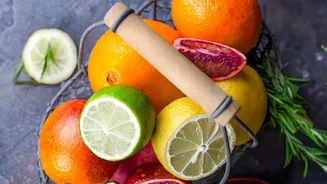
Every time you squeeze a lemon or peel an orange, you're likely left with a pile of citrus skins. For most, this is kitchen waste destined for the bin. But in those fragrant peels lies a wealth of opportunity. They are loaded with vitamins, powerful flavonoids,
and, most importantly, dietary fibre. By saving these peels, you're not just cutting down on food waste; you're unlocking a versatile ingredient that can add a complex, marmalade-like bitterness and zing to your cooking. Transforming them into a chutney is a time-honoured tradition in many parts of the world, a clever way to preserve the essence of the fruit long after the juice is gone. With a few simple techniques, you can turn this humble byproduct into a sophisticated condiment that is both delicious and beneficial.
The Gut-Friendly Connection
So, what makes these citrus peel chutneys “gut-friendly”? The secret is in the fibre, specifically a type of soluble fibre called pectin. While you might know pectin as the ingredient that helps jam set, inside your body it acts as a prebiotic. This means it provides food for the beneficial bacteria living in your gut, helping them thrive. A healthy and balanced gut microbiome is linked to better digestion and overall wellness. Studies have shown that soluble dietary fibre from citrus peels can help regulate intestinal microecology by increasing the proportion of beneficial bacteria. When you combine these peels with other gut-supportive ingredients common in chutneys—like ginger, which aids digestion, and spices like turmeric—you create a powerful and tasty condiment that supports your digestive system.
Key Step: Taming the Bitterness
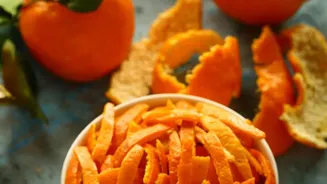
The main challenge when cooking with citrus peels, particularly the white pith, is their natural bitterness. Ignoring this step will result in a chutney that is unpleasantly sharp. Luckily, the solution is simple: blanching. The compounds that cause bitterness are water-soluble, so boiling the peels helps to leach them out. Start by scrubbing your oranges and lemons thoroughly. Slice the peels into strips or small pieces. Place them in a pot, cover with cold water, bring to a boil, and then immediately drain. Repeating this process three or four times will significantly reduce the bitterness to a pleasant, tolerable level. Some cooks also recommend soaking the peels in salt water to draw out bitterness. While some bitterness is desirable for the complex flavour of a chutney, this blanching process ensures it doesn't overwhelm the final product.
Basic Sweet and Savoury Citrus Chutney
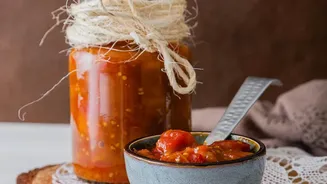
This recipe provides a fantastic base that you can customise. You’ll need the blanched peels from two oranges and two lemons, finely chopped. In a heavy-bottomed pot, combine the peels with one chopped onion, one grated apple, two cloves of minced garlic, and a tablespoon of grated fresh ginger. Add about 3/4 cup of brown sugar, 1/2 cup of raisins, a cup of vinegar (cider or white wine vinegar works well), and your desired spices. Good starting points are a teaspoon each of turmeric and ground coriander, and a pinch of red pepper flakes for heat. Bring the mixture to a simmer over medium heat, then reduce the heat to low. Let it cook slowly, stirring occasionally, for at least an hour or until the mixture thickens and the peels are very tender. The chutney should be glossy and fragrant. Taste and adjust seasoning, adding more sugar for sweetness or a splash of vinegar for acidity.
Creative Twists and Flavour Pairings
Once you've mastered the basic recipe, feel free to experiment. Roasting the citrus slices before chopping them can add a smoky, caramelised depth to your chutney. For a different texture, you can use a food processor to pulse the blanched peels into a coarser or finer consistency before cooking. Don't be afraid to mix in other ingredients. Dates or apricots can be used instead of raisins for a different kind of sweetness. Spices like cinnamon, cloves, and cardamom can lend a warm, aromatic quality to the chutney. This versatile condiment pairs beautifully with a wide range of foods. Spread it on toast with goat cheese, serve it alongside grilled fish or chicken, or add a spoonful to a cheese board. It brings a bright, complex flavour that elevates simple meals while making you feel good about your sustainable and health-conscious kitchen practices.