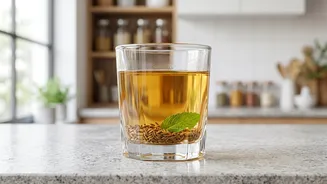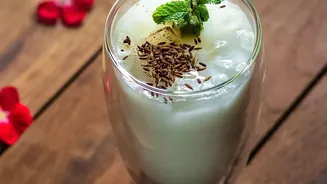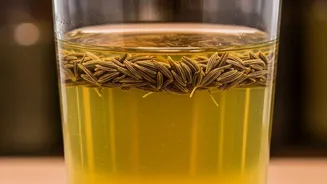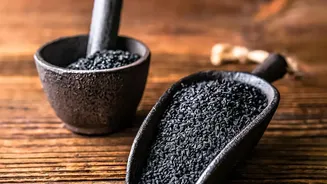





In countless Indian households, the day begins with a warm glass of jeera water. This simple, earthy drink is hailed as a cure-all for everything from bloating to weight loss. But do these age-old beliefs hold up to scientific scrutiny?
The Tradition of Jeera Water
For centuries,
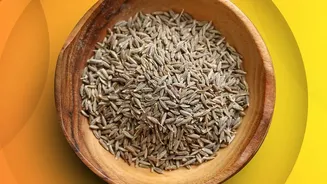
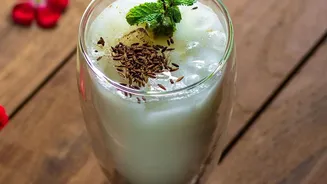
cumin water—made by soaking or boiling cumin seeds—has been a staple in traditional medicine like Ayurveda and a go-to home remedy. It is widely believed to kickstart metabolism, aid digestion, and detoxify the body. This trust is deeply embedded in culture, often passed down through generations as the first answer to common digestive complaints. The logic seems simple: if cumin spice is healthy, then water infused with its essence must be a concentrated elixir. But this is where the lines between tradition and proven fact can blur.
Claim: A Miracle for Weight Loss
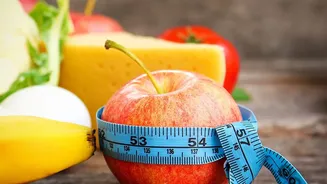
One of the most popular claims is that jeera water melts belly fat and accelerates weight loss. The reality is more complex. While some small studies have shown that taking cumin supplements, sometimes with lime, can lead to faster weight loss compared to a placebo, these studies often use concentrated cumin extracts or powders, not homemade jeera water. Cumin contains compounds like thymoquinone, which have antioxidant properties and may help boost metabolism. However, no single food or drink can target fat in one area of your body. Cumin water is not a magic potion for weight loss, but it can support a weight management journey by being a healthy, low-calorie replacement for sugary drinks and by helping with hydration.
Claim: The Ultimate Digestive Aid
Here, tradition and science find common ground. Cumin is well-documented for its positive effects on digestion. Research shows that compounds in cumin stimulate the activity of digestive enzymes, which helps the body break down fats, proteins, and carbohydrates more efficiently. It also encourages the liver to release bile, further aiding in fat digestion and nutrient absorption. Several studies have noted its benefits for people with Irritable Bowel Syndrome (IBS), who reported relief from symptoms like bloating and abdominal pain after taking cumin extract. So, a warm glass of cumin water may genuinely help soothe the digestive system and reduce feelings of discomfort after a meal.
What Cumin Actually Does Well
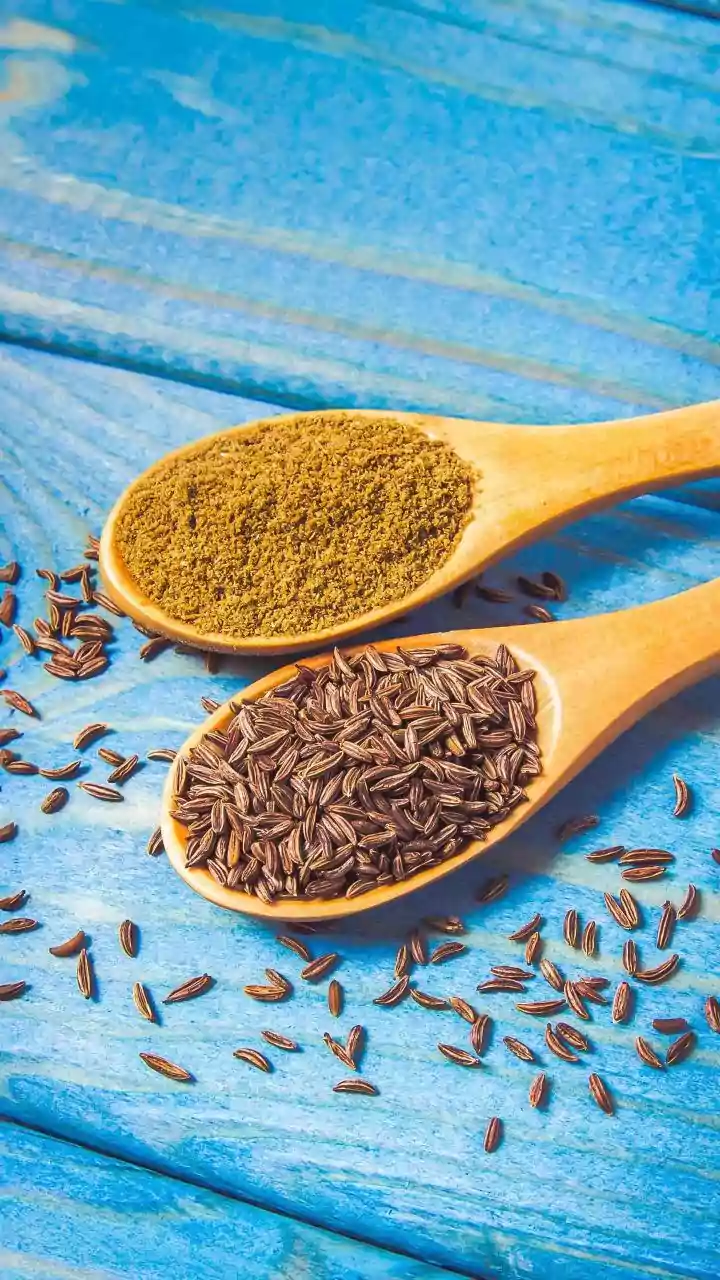
Beyond digestion, cumin seeds are a nutritional powerhouse in their own right. They are an excellent source of iron, with a single teaspoon providing a significant portion of the daily requirement. Cumin is also packed with antioxidants like flavonoids, cuminaldehyde, and other phenolic compounds. These antioxidants help protect the body from oxidative stress caused by free radicals, which is linked to chronic diseases like heart disease and inflammation. The spice also possesses anti_inflammatory and antimicrobial properties, contributing to overall wellness.
Is Cumin Water the Best Way?
While drinking cumin water is a valid way to get some of the seed's benefits along with hydration, it's not necessarily superior to using cumin as a spice in your food. Most of the compelling scientific research has been done on cumin extracts or the spice itself in higher, more concentrated doses than what you'd get in a glass of jeera water. Incorporating whole or ground cumin into your daily cooking—in dals, sabzis, and marinades—is an equally, if not more, effective way to reap its health benefits. The act of drinking warm water itself can aid digestion, so some of the perceived benefits of jeera water may simply come from the practice of mindful hydration.
The Bottom Line: A Healthy Habit, Not a Cure
Cumin water is a healthy, traditional beverage, but it is not a medicinal cure. Its strongest, scientifically supported benefit is in promoting digestion. The claims around dramatic weight loss and detoxification are overstated, though it can be a useful part of a healthy lifestyle. It's also important to consume it in moderation. Excessive intake can, for some people, lead to side effects like heartburn or an undesirable drop in blood sugar, especially for those on diabetes medication. Pregnant women are also advised to avoid large medicinal doses.