
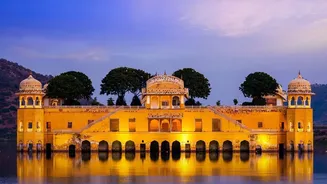

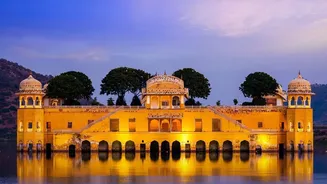
Why Banswara? Rajasthan’s Green Oasis
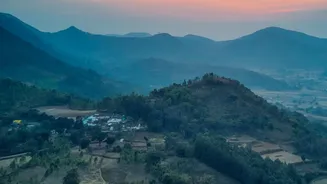
Forget the arid landscapes you associate with Rajasthan. Banswara, often called the 'Cherrapunji of Rajasthan,' receives the highest rainfall in the state, transforming it into a verdant paradise, especially during and after the monsoon. This unique climate
and the mighty Mahi River, which creates numerous small islands in its backwaters, give the region its nickname: 'The City of a Hundred Islands'. The state government is now shining a spotlight on this tranquil heartland, promoting it as an emerging destination for travellers seeking authenticity beyond the well-trodden tourist trails of Jaipur and Udaipur. Its appeal lies in its blend of stunning natural beauty, rich tribal culture primarily of the Bhil community, and a peaceful atmosphere that feels worlds away from the desert.
The Must-See Attractions
Banswara’s landscape is dotted with a mix of natural wonders and sacred sites. The centrepiece is the Mahi Bajaj Sagar Dam, an impressive structure whose vast reservoir is the source of the area's famous islands. A visit to Chacha Kota offers the best views of these green islets emerging from the water. For a dose of serenity, the Kagdi Pick-Up Weir is a beautifully maintained park with gardens and fountains overlooking a lake, perfect for a quiet evening. Spiritual travellers are drawn to the Tripura Sundari Temple, an ancient and highly revered shrine dedicated to the goddess, located just outside the main city. Other notable spots include the serene Anand Sagar and Diablab lakes, and the historic ruins of Arthuna temples, which date back to the 11th century.
A Sample 3-Day Banswara Itinerary
To make the most of your trip, a well-planned itinerary is key. Here’s a suggestion for a three-day exploration. Day 1: Arrival and Local Serenity Arrive in Banswara (likely from Udaipur) and check into your accommodation. Spend the afternoon exploring the city’s placid lakes. Start with Anand Sagar Lake, also known as Bai Talab, and then head to Diablab Lake to enjoy the calm surroundings. In the evening, visit the Kagdi Pick-Up Weir for a relaxing sunset. Day 2: The Islands and The Dam Dedicate your second day to Banswara's signature attraction. Drive to the Mahi Bajaj Sagar Dam to witness its scale and the vast waters it holds. Afterwards, head to the Chacha Kota area to see the famous 'islands' in the river's backwaters, a perfect spot for photography and soaking in the unique scenery. Day 3: Culture, Spirituality, and Departure On your final day, immerse yourself in the region's spiritual heritage. Visit the highly significant Tripura Sundari Temple for morning darshan. Depending on your travel time, you could also visit the Madareshwar Temple, a Shiva shrine set inside a natural cave. Afterwards, begin your journey back, filled with memories of a very different Rajasthan.
Immersing in Bhil Culture
More than half of Banswara's population belongs to the Bhil tribe, one of India’s oldest indigenous communities, and their influence is woven into the fabric of the region. To truly experience Banswara, look for opportunities to engage with this vibrant culture. This can be as simple as visiting a local weekly 'haat' (market) to see traditional crafts like handwoven baskets and silver jewellery. The tribe is also known for its colourful attire and energetic folk dances, such as the Ghoomar and Gair. For a deeper dive, plan your visit around local fairs like the Baneshwar Fair (usually in February), which is a massive tribal gathering offering a spectacular display of customs and rituals.
Essential Travel Information
Planning your logistics is straightforward. The best time to visit is from October to February, when the weather is pleasant and the post-monsoon greenery is still vibrant. The monsoon months of July to September offer the lushest landscapes and flowing waterfalls but be prepared for rain and potentially tricky road conditions. How to Reach: Banswara is best accessed by road. The nearest airport is Maharana Pratap Airport in Udaipur, about 165 km away. From there, you can hire a taxi or take a bus for the approximately 3.5-hour journey. The closest major railway station is Ratlam in Madhya Pradesh, around 80 km away. Regular buses connect Banswara with Udaipur, Ahmedabad, and other regional cities.