



The Problem with 'Forcing' It
You’ve probably seen breathwork guides that involve intense holds. While intentional breath retention has its place in specific, often advanced, practices, forcing your body to hold its breath can trigger a stress response. When you forcefully prevent
yourself from breathing, carbon dioxide (CO₂) builds up in your bloodstream. This signals a potential threat to your brain, activating the sympathetic nervous system—your body's 'fight-or-flight' mechanism. This can lead to an increased heart rate, feelings of panic, and physical discomfort, which is the opposite of the calm state most people are seeking. Forcing a breath-hold can replicate feelings of suffocation or panic, which can be particularly problematic for individuals with anxiety or a history of trauma.
Awareness Over Control
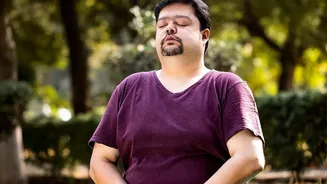
The key is to shift from a mindset of 'controlling' the breath to one of 'awareness'. Instead of forcing a hold, the goal is to become a gentle observer of your natural breathing pattern. This somatic approach, which focuses on the body's internal sensations, allows you to notice the subtle pauses that naturally occur between your inhales and exhales without creating tension. This practice of mindful observation calms the nervous system rather than activating it. By paying attention without judgment, you encourage your body’s relaxation response, primarily driven by the parasympathetic nervous system, which governs 'rest and digest' functions. The goal isn't to achieve a perfect, silent breath, but to be present with whatever rhythm your body has in the moment.
Exercise 1: Simple Breath Observation
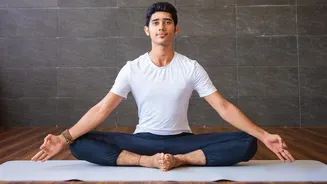
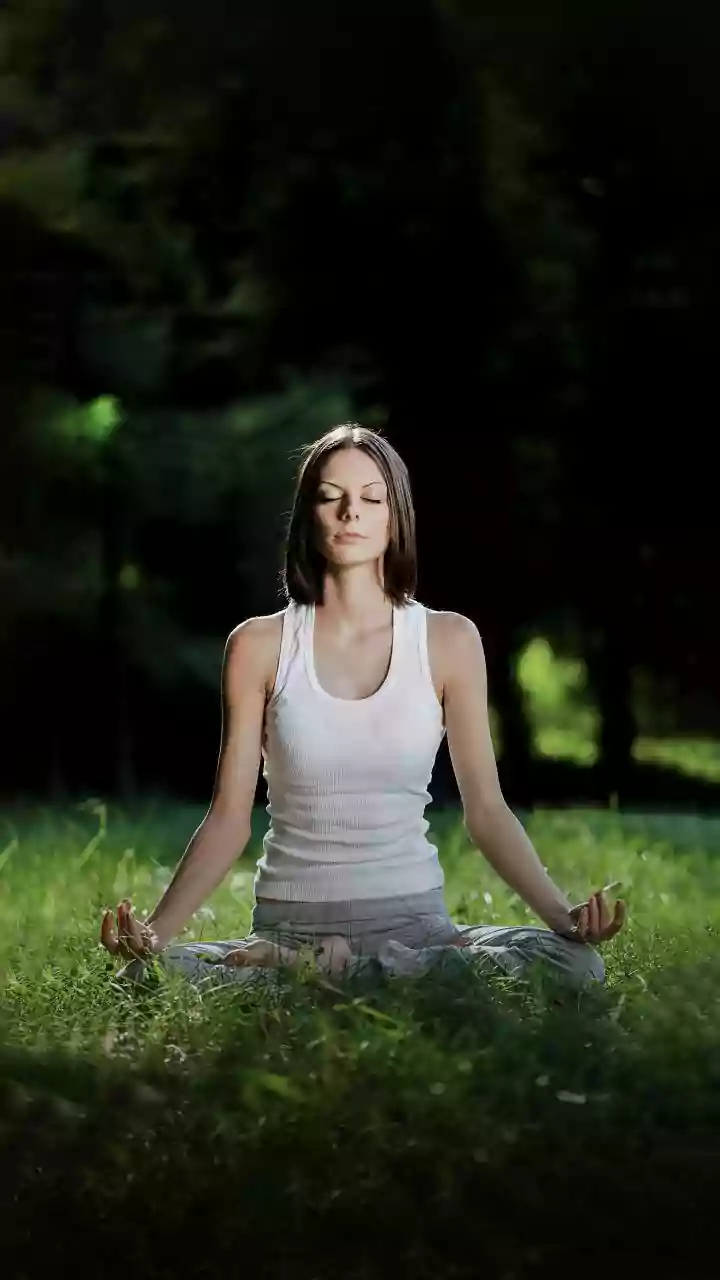
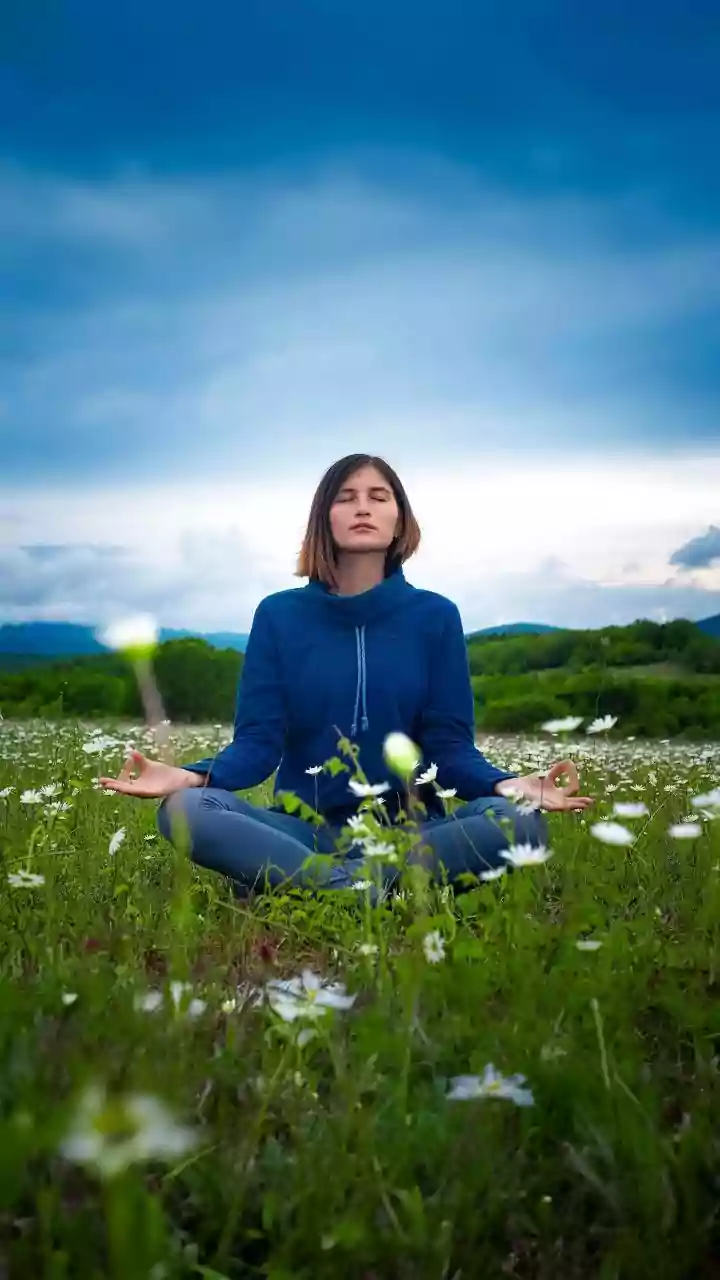
This foundational exercise requires nothing but your attention. Find a comfortable position, either sitting or lying down. Close your eyes if you feel comfortable. Don't try to change your breathing at all. Simply notice it. Feel the air entering your nostrils and the slight change in temperature. Observe the rise and fall of your chest and belly. Is your breath shallow or deep? Fast or slow? Are there natural, effortless pauses at the top of the inhale or the bottom of the exhale? The goal is not to answer these questions with analysis but to simply feel the sensations. If your mind wanders, gently guide it back to the feeling of your breath. Start with just one or two minutes and gradually increase as you feel comfortable.
Exercise 2: The Extended Exhale
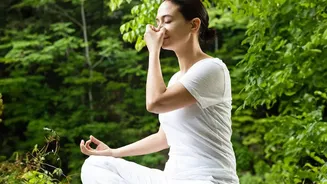
Lengthening your exhale is one of the quickest ways to activate the parasympathetic nervous system and promote calm. Unlike a forced hold, this technique works with your body's natural rhythms. Inhale gently through your nose for a count of four. Then, without pausing or holding, exhale slowly through your mouth or nose for a count of six or eight. The key is to make the exhale passive and relaxed, not forced. Imagine you are slowly deflating a balloon. The focus on a longer exhale naturally encourages a state of relaxation and can help reduce feelings of anxiety. Repeat this cycle for five to ten rounds, noticing how your body feels.
Exercise 3: Diaphragmatic 'Belly' Breathing
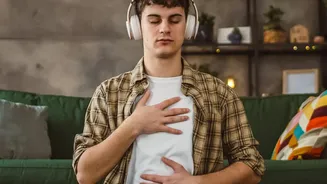
Many of us breathe shallowly into our chests, especially when stressed. Diaphragmatic breathing, or belly breathing, helps engage the main muscle of respiration for a deeper, more efficient breath. Lie on your back with your knees bent, or sit comfortably in a chair. Place one hand on your upper chest and the other on your belly, just below your rib cage. Breathe in slowly through your nose, intending to send the air deep into your belly so that your hand rises. Your chest should remain relatively still. Exhale slowly through your mouth or nose, feeling your belly fall. This practice not only calms the nervous system but also improves lung function and oxygen exchange.