



What Are the Proposed BS-VII Norms?
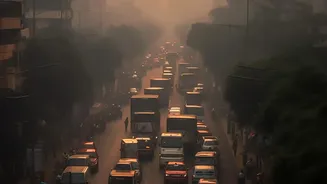
The Ministry of Road Transport and Highways has released draft notifications to introduce the next level of vehicle emission standards, known as BS-VII. These rules aim to further curtail air pollution from vehicles by tightening emission controls. The rollout
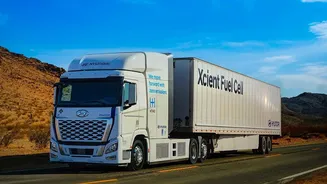
is proposed to be phased, starting with new passenger cars and SUVs from April 1, 2029. This would be followed by light commercial vehicles in 2030 and heavy-duty vehicles like buses and trucks from 2031. The core idea is to build upon the existing BS-VI framework, which was a significant leap in 2020, by introducing more comprehensive monitoring and addressing new sources of pollution. Importantly, these proposed standards will apply only to newly manufactured vehicles and will not affect existing cars, including those compliant with BS-VI.
Beyond the Tailpipe: What's New?
BS-VII expands the definition of vehicle pollution. While BS-VI focused heavily on exhaust emissions, the new draft rules look at other sources. For the first time, there are proposed limits on particulate matter released from brake wear and microplastics from tyre abrasion. This means even electric vehicles (EVs), which have no exhaust, will fall under the purview of these specific regulations. Another significant change is the focus on real-world performance. The norms will require advanced On-Board Monitoring (OBM) systems to continuously track a vehicle's emissions during everyday driving, not just in controlled lab conditions. The draft also proposes durability standards for EV batteries, requiring them to retain a certain percentage of their capacity over several years and kilometres.
How Is BS-VII Different from BS-VI?
The jump from BS-VI to BS-VII is less about drastically lowering all existing emission limits and more about smarter, broader enforcement. While some limits for pollutants like Nitrogen Oxides (NOx) might remain similar to BS-VI levels for passenger cars, the new rules will focus on previously unregulated areas. A key technical change is the proposal to measure finer particulate matter—down to 10 nanometres instead of the current 23 nanometres—capturing ultrafine particles that are particularly harmful. The biggest shift is the emphasis on Real Driving Emissions (RDE) testing becoming more stringent and central to compliance. Vehicles will have to meet emission standards throughout their operational life, with proposed compliance checks up to 200,000 km or 10 years. This ensures cars remain clean long after they leave the showroom.
The Impact on Car Prices and the Industry
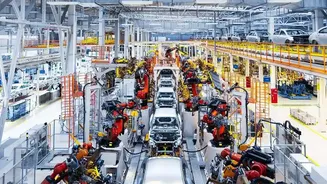
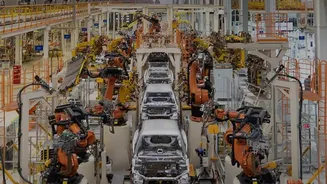
Implementing these changes will require significant investment from automakers in research, development, and new technology. Advanced exhaust filtration systems, more sophisticated sensors, and durable components will be needed. This added technological complexity is expected to increase manufacturing costs, which will likely be passed on to the consumer, resulting in higher car prices. Entry-level cars, which operate on thinner margins, could see a proportionally larger price increase. The auto industry has reportedly expressed concerns about the proposed timelines, citing the need for adequate lead time to develop and test compliant vehicles, which could divert resources from other areas like EV development.
What Happens Next?
It is crucial to remember that these are draft rules. The Ministry has invited comments and suggestions from the public and stakeholders before the standards are finalised. This consultation process means the final regulations, including the exact limits and timelines, could change. Industry bodies are reportedly in discussion with the government, with some suggesting a later or more staggered rollout. For now, the proposal signals the government's clear intent to continue its push for cleaner air by aligning with global standards like Europe's Euro 7. Car buyers and manufacturers will need to watch closely as these draft rules move toward final notification.