



The Philosophy of the Cut
The way you cut a vegetable is the first and most important decision in its journey to the plate. It's more than just making big pieces smaller; it’s a strategic choice that dictates cooking time, texture, and even flavour. A uniform cut ensures that every
piece of potato in your sabzi or carrot in your soup cooks at the same rate, preventing a mix of mushy and hard bites. A small dice cooks quickly, perfect for a weeknight stir-fry, while a large chunk holds its shape and texture in a slow-cooked stew. Thinking about the final dish before your knife even touches the cutting board is the foundation of efficient meal planning.
Mastering the Basics: The All-Purpose Dice
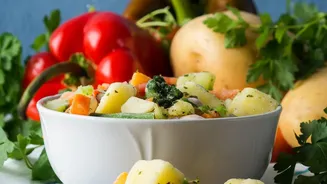
The dice, or cutting vegetables into small, uniform cubes, is perhaps the most versatile technique in a home cook’s arsenal. A medium dice is perfect for base ingredients like onions and tomatoes in a curry, while a small dice is ideal for dishes where vegetables meld into a sauce. This cut is a meal prepper's best friend. Spend some time on a Sunday dicing vegetables like pumpkin, potatoes, and carrots. Stored properly, these prepped veggies are ready to be tossed into a quick pulao, a hearty dal, or a simple stir-fry during a busy week, drastically reducing daily cooking time.
Going Long: Julienne and Batons
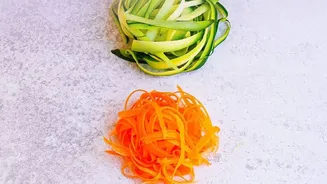
When speed is the goal, long, thin cuts are the answer. The julienne—cutting vegetables into thin, matchstick-like strips—is perfect for quick-cooking dishes. Think of julienned capsicum, carrots, and cabbage in a Hakka noodle dish or a fresh, crunchy salad. These cuts have a large surface area, which means they cook in minutes and absorb flavours readily. A slightly thicker version, the baton, is excellent for vegetable sticks served with dip or for making homemade French fries. By prepping a container of julienned vegetables, you set yourself up for lightning-fast stir-fries and side dishes throughout the week.
The Quickest Cuts: Slices and Rounds
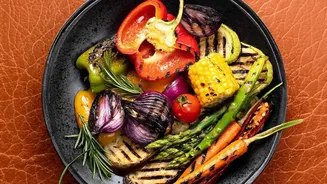
Sometimes, the simplest approach is the best. Slicing vegetables into rounds or thin, flat pieces is quick and effective for a variety of uses. Think of sliced cucumbers and tomatoes for sandwiches and salads, or sliced bhindi (okra) for a classic crispy fry. Slicing onions thinly allows them to melt into a gravy, releasing their sweetness, while thicker slices hold up on the grill. This technique is less about rigid uniformity and more about function. It's the go-to cut for when you need vegetables ready in a flash for a garnish, a quick sauté, or a fresh side.
From Cut to Meal Plan: A Seasonal Strategy
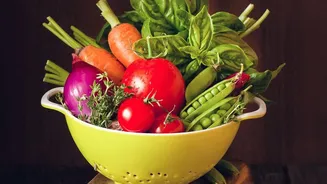
This is where clear decisions transform your week. Tying your cutting technique to a seasonal meal plan is the ultimate kitchen hack. For example, during India's winter season, markets are abundant with carrots, peas, cauliflower (gobi), and spinach (palak). You can buy in bulk and prep for different meals. Break the cauliflower into large florets for a weekend Aloo Gobi. At the same time, dice some carrots for a weekday vegetable pulao and julienne another batch for a quick noodle dish. The spinach can be roughly chopped for Palak Paneer or finely minced to be added to dal. This method ensures you use produce at its peak freshness, reduce food waste, and make daily cooking a simple matter of assembly rather than a full-on preparation.
Putting It All Together
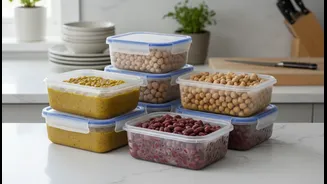
Organised meal planning doesn’t require complicated charts; it starts with a sharp knife and a clear intention. Begin by thinking about two or three main dishes you want to make during the week. Let’s say you choose a mixed vegetable sabzi and a stir-fry. On your prep day, dice a mix of potatoes, carrots, and beans for the sabzi. Then, julienne capsicum, onions, and cabbage for the stir-fry. Store them in separate airtight containers in the fridge. When dinner time arrives, half your work is already done. You've moved the time-consuming task of chopping to a less-pressured moment, freeing up your evenings and making healthy, home-cooked meals feel effortless and achievable.