



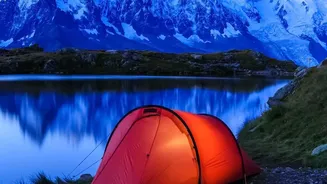
Start with Beginner-Friendly Treks
The key to a successful first snow trek is choosing a trail that matches your experience level. Diving into a difficult trek without prior experience is a recipe for trouble. Thankfully, India offers several stunning treks that are perfect for beginners.
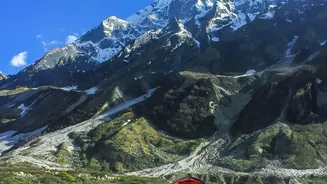
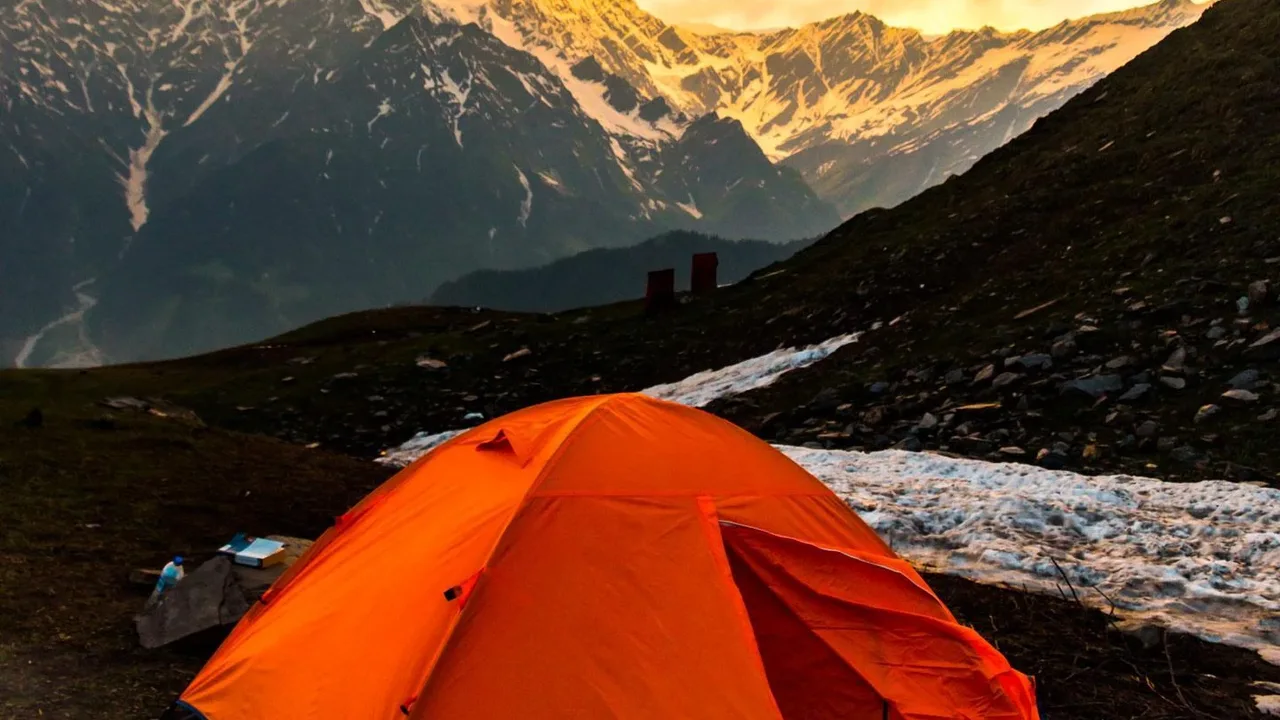
Treks like Dayara Bugyal, Brahmatal, and Kedarkantha in Uttarakhand are widely regarded as ideal starting points. These trails are typically well-marked, have gradual ascents, and offer incredible views without demanding extreme endurance. They usually range from 4 to 6 days, which is a manageable duration for a first-timer to acclimatise and enjoy the journey.
Honestly Assess Your Fitness
Winter trekking is more demanding than hiking in summer. The cold saps your energy, and walking in snow requires more effort. Before you even book a trek, be honest about your physical condition. A good benchmark for an easy-to-moderate winter trek is the ability to run 5 kilometres in about 30-40 minutes. Your preparation should include cardiovascular exercises like running, cycling, or swimming to build stamina. Additionally, strengthening your leg muscles is crucial for stability on uneven, snowy terrain. Remember, high altitude affects everyone differently, and being physically fit gives your body the best chance to acclimatise well.
Prioritise Reputable Trekking Companies
For your first snow trek, going with a certified guide or a reputable trekking company is non-negotiable. Experienced guides know the terrain intimately, understand the weather patterns, and are trained in first-aid and emergency procedures. A good company will not only guide you on the trail but also ensure you have the right gear, proper food, and a solid itinerary that allows for acclimatisation. Check reviews, ask about the guide-to-trekker ratio, and inquire about their safety protocols. Their expertise is your biggest safety net in the mountains.
Understand Altitude and Gradient
Two critical factors in choosing a safe trail are the maximum altitude you will reach and the steepness of the climb. Beginner treks usually don't exceed 12,500-13,000 feet. Going higher increases the risk of Acute Mountain Sickness (AMS), especially for those who are not acclimatised. A safe itinerary will involve gaining altitude slowly. Look for trails with a gentle gradient rather than steep, continuous ascents. This not only makes the walk more pleasant but also significantly reduces physical strain and the risk of slips and falls.
The Right Gear is Not Optional
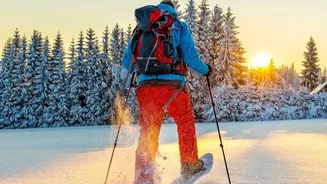
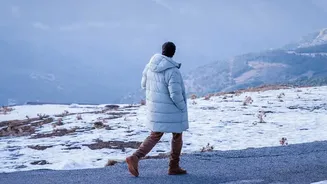
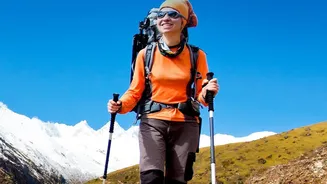
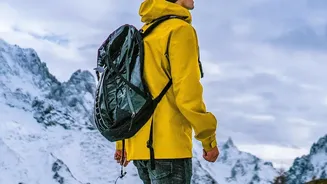
In winter, your gear is your lifeline. Cotton is your enemy because it absorbs sweat and can lead to hypothermia. The key is layering. You need a moisture-wicking base layer, a fleece or insulated mid-layer for warmth, and a waterproof and windproof outer jacket. Equally important are waterproof trekking shoes with good ankle support, multiple pairs of woollen socks, and thermal gloves. Essential accessories include UV-protection sunglasses, a sun cap, a woollen beanie, and a headlamp. Reputable trekking companies often provide technical gear like microspikes or crampons for walking on ice and snow.
Check Weather and Trail Conditions
The Himalayas are unpredictable. Before you leave, and even during the trek, stay updated on the weather forecast. Your trek leader will have the most current information about the trail conditions. Heavy snowfall can close passes and make a trail unsafe. Always trust the judgement of your guide. If they decide to turn back or alter the route for safety reasons, do not argue. The mountains will always be there for another attempt.