




A New Cup of Choice
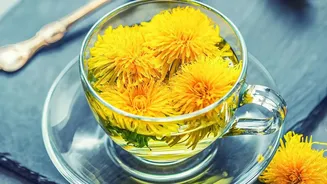
In the cafes and kitchens of Mumbai, Delhi, and Bengaluru, a different kind of warmth is filling teacups. Instead of the familiar spicy-sweetness of chai, urban professionals and wellness enthusiasts are increasingly sipping on floral and fruity infusions
that carry the essence of the mountains. Teas made from rhododendron flowers (buransh), sea buckthorn berries, and other Himalayan botanicals are moving from niche health stores to mainstream menus. This shift isn't about replacing chai but supplementing it with beverages viewed as a mindful, healthful practice, often enjoyed without milk or sugar.
The Search for Wellness and Authenticity
The growing popularity of these Himalayan brews is closely tied to a broader wellness movement sweeping urban India. Consumers are actively seeking natural, functional foods and beverages that offer benefits beyond basic nutrition. Herbal infusions, which are often caffeine-free, are seen as a way to detoxify, boost immunity, and manage stress. A study by Hansa Research Group found that over half of specialty tea drinkers choose them for health reasons. This trend signifies a move away from habitual consumption towards more intentional, mood-based drinking, where each cup serves a purpose, whether it's for relaxation, energy, or a moment of calm.
From Himalayan Slopes to City Shelves
The allure of these teas is deeply connected to their origin story. Many of these herbs, like 'buransh', are foraged from high-altitude forests in states like Uttarakhand and Himachal Pradesh. The rhododendron, for instance, has been part of local traditional medicine for generations, believed to offer cardioprotective benefits. Similarly, sea buckthorn is a hardy berry that thrives at over 12,000 feet and is nicknamed the 'Sanjeevani Booti' of the Himalayas for its dense nutritional profile, a fact noted even by the DRDO for its use with soldiers in high-altitude regions. Artisanal brands are building on this narrative, sourcing directly from local communities and marketing these infusions as 'Himalayan superfoods', complete with GI tags that certify their unique origin.
The Rise of Artisanal and D2C Brands
This trend has been fueled by a new wave of artisanal and direct-to-consumer (D2C) tea brands. Companies like Vahdam, Tea Trunk, and Sancha Tea Boutique have successfully created a market for premium, single-origin, and blended teas by telling compelling stories about their sourcing and craftsmanship. They often bypass traditional retail channels, using e-commerce platforms to ship fresh, small-batch products directly to consumers. This model allows for greater transparency and preserves the authenticity of the product, which resonates with urban millennials who value quality and a clear narrative behind what they consume.
Reshaping an Age-Old Ritual
The embrace of Himalayan infusions is transforming the very ritual of tea drinking. While chai often punctuates a busy day, these herbal brews are associated with a slower, more mindful practice. It's about taking a moment to appreciate the aroma, colour, and subtle flavours, turning a simple beverage break into an accessible form of wellness and a digital detox. This doesn't signal the end of chai culture but rather its expansion. It reflects a modern urban India where tradition and global wellness trends can coexist, allowing consumers to choose their brew based on time of day, mood, and need—be it a comforting cup of nostalgia or a restorative sip of the mountains.