






From Seasonal Shortage to a Chronic Crisis
For decades, urban water planning in India has operated on a predictable cycle: a heavy reliance on monsoon rains to fill reservoirs, which then supply cities through the dry months. However, this model is breaking down. What was once seen as a seasonal
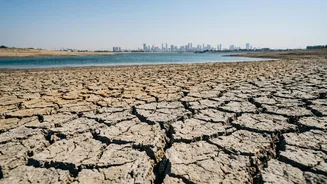
water shortage is now a chronic, structural problem. Climate change has made monsoons more erratic, while rapid, often unregulated urbanisation has dramatically increased water demand. Cities like Chennai, Bengaluru, and Delhi have all faced recurring water emergencies, revealing that a good monsoon is no longer a guarantee of water security. This forces a shift in thinking for urban planners, moving from simply managing supply to addressing a permanent state of water stress.
The Domino Effect of Depleting Reservoirs
When reservoir levels drop, the most immediate response is water rationing and the deployment of tankers—a common sight in many cities. But the secondary effects are far more disruptive and costly. Planners must contend with a cascade of issues. Firstly, there's the immense pressure on groundwater. As municipal supplies dwindle, households and industries turn to borewells, leading to the rapid depletion of underground aquifers. This over-extraction is not only unsustainable but can also cause land subsidence and, in coastal cities, salinity intrusion into fresh water sources. Secondly, it creates a significant economic burden. Water scarcity can reduce a nation's GDP, disrupt industrial production, and create a black market for water where tankers charge exorbitant rates. This disproportionately affects poorer households, deepening social inequality.
Straining an Already Leaky System
Reservoir shortages expose the deep-seated flaws in urban water infrastructure. Much of the water distribution network in Indian cities is old and poorly maintained. It is estimated that cities lose anywhere from 30% to 50% of their treated water to leakages, theft, and inefficient distribution before it ever reaches a tap. When supply is already low, these losses become catastrophic. The problem is compounded by the encroachment on urban water bodies like lakes and wetlands, which once acted as natural sponges to recharge groundwater and buffer against shortages. Instead of being preserved, many have been built over to accommodate urban expansion, crippling the cities' natural resilience. This forces planners into a reactive mode, constantly trying to patch a leaky and overburdened system.
Forcing a Shift in Urban Water Strategy
The persistent threat of empty reservoirs is compelling a radical rethink of urban water planning. The old model of simply finding new water sources to augment supply is no longer viable. The focus is now shifting towards a more holistic and sustainable approach known as Integrated Urban Water Management (IUWM). This strategy involves several key pillars. A major component is the treatment and reuse of wastewater. Cities like Surat and Chennai are pioneering models to treat used water and supply it for industrial use or to recharge water bodies, turning a liability into a resource. Another critical area is demand management. This includes fixing leaky pipes to reduce 'non-revenue water', promoting water-saving fixtures, and using smart meters to help citizens monitor and reduce their consumption. Finally, planners are increasingly looking at augmenting supply through methods like rainwater harvesting at a mass scale and, in coastal cities, desalination plants.