






Understanding the Enemy: Humidity
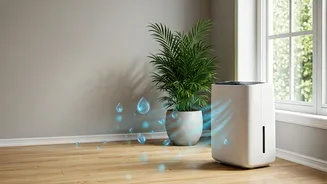
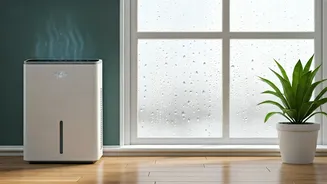
The feeling of a dry, comfortable home during the monsoon isn't just about stopping raindrops; it's about controlling the humidity in the air. When humidity levels soar, the air becomes saturated with moisture. This leads to that sticky feeling on your
skin, clothes that never seem to dry, and a persistent musty smell. More than just a comfort issue, this excess moisture creates a perfect breeding ground for mould and mildew. These fungi can trigger allergies, cause respiratory issues, and leave unsightly stains on walls and furniture. Wood can swell and warp, electronics can be damaged, and fabrics can be ruined. Tackling this invisible enemy is the first and most crucial step to enjoying a truly comfortable monsoon indoors.
Your First Line of Defence: Seal and Secure
Before the monsoon fully sets in, a thorough inspection of your home's exterior is vital. Look for any cracks in the walls or around window frames where water could seep in. Sealing these gaps with waterproof caulking is a simple but effective preventive measure. Ensure your roof is in good repair and that drainage pipes and gutters are clear of debris to prevent water from overflowing and accumulating near your foundation. Inside, check that window and door frames are properly sealed. Applying a coat of waterproof paint on exterior walls or varnish on wooden doors and window frames can provide an additional protective barrier against moisture.
Let It Breathe: The Power of Ventilation
Stagnant air traps moisture, so promoting good air circulation is key. Make it a habit to open windows and doors during drier parts of the day, even for a short while, to allow fresh air to circulate and push out the damp, stale air. Creating cross-ventilation by opening windows on opposite sides of a room is particularly effective. In high-moisture areas like kitchens and bathrooms, always use exhaust fans while cooking or after a shower to expel steam and prevent condensation from settling on surfaces. If you have heavy drapes, consider switching to lighter, sheer curtains for the season to allow more natural light and air to filter through.
Natural and DIY Dehumidifying Tricks
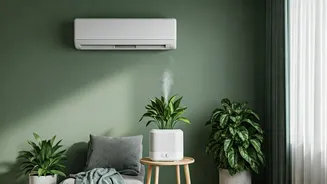
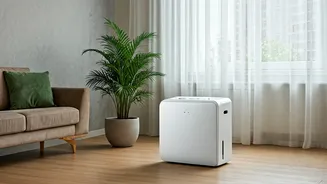
While electric dehumidifiers are effective, you don't need expensive gadgets to reduce indoor humidity. Several household items work wonders as natural moisture absorbers. Place bowls of coarse rock salt or activated charcoal in damp corners, closets, and bathrooms; they will naturally draw moisture from the air. Baking soda is another excellent option for smaller spaces like drawers and shoe racks, with the added benefit of neutralizing odours. Small silica gel packets, often found in new shoe boxes or electronic packaging, are perfect for protecting clothes and documents in cupboards and drawers. Some houseplants, like peace lilies and snake plants, are also known to absorb excess moisture from the air.
Protecting Furniture and Wardrobes
Wooden furniture is especially vulnerable during the monsoon, as it can absorb moisture, causing it to swell or develop fungus. A simple but crucial tip is to move all furniture, especially wooden pieces, a few inches away from walls. This allows air to circulate behind them and prevents the transfer of dampness from the walls. Wiping down wooden surfaces with a dry cloth regularly is also important. Inside wardrobes, prevent that musty smell by placing moisture absorbers like camphor balls, neem leaves, or silica gel sachets. Avoid keeping damp clothes in a laundry pile; wash and ensure they are completely dry before putting them away.
Keeping Floors and Fabrics Fresh
Floors can become damp and slippery during the monsoon. It’s best to avoid wet mopping; a dry mop is often sufficient. If you need to clean a spill, use a microfiber mop that absorbs moisture effectively. Adding a small amount of rock salt or disinfectant to your cleaning water can also help keep insects and germs at bay. It's a good idea to roll up and store heavy carpets and rugs for the season, as they can trap a significant amount of moisture and become breeding grounds for mould and mildew. Use easily washable doormats at entrances to trap mud and water before they are tracked through the house.