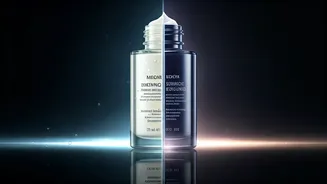









Your Skin's 24-Hour Clock
Your skin operates on a natural 24-hour cycle, often called its circadian rhythm. During the day, its primary job is defence. It works hard to protect you from environmental stressors like UV rays, pollution, and dirt. Think of your daytime skin as being
in protection mode. At night, the script flips. While you sleep, your skin switches into repair and regeneration mode. This is when it works to heal damage from the day, produce new cells, and rebuild its barrier. Understanding this fundamental difference is the key to creating a routine where your morning and evening products work as a team.
The Morning Mission: Protect and Preserve
Your morning skincare routine has one main goal: to shield your skin from the daily onslaught of environmental aggressors. A proper AM routine should focus on three things: cleansing away overnight buildup, providing antioxidant support, and protecting against the sun. A gentle cleanse in the morning removes the oil, sweat, and dead skin cells that accumulate while you sleep, creating a clean canvas for your products. Next comes an antioxidant serum, with Vitamin C being a popular and effective choice. It helps neutralize free radicals from pollution and UV exposure, essentially acting as a second layer of defence under your sunscreen. The final, non-negotiable step is a broad-spectrum sunscreen with at least SPF 30. This is your single most important tool for preventing premature ageing and skin damage.
The Nightly Task: Repair and Regenerate
When the sun goes down, your skin’s repair crew clocks in. The primary goal of your evening routine is to cleanse the day away and provide targeted treatments to support this natural regeneration process. Cleansing at night is crucial to remove makeup, sunscreen, pollution, and grime that have built up. Many people benefit from a 'double cleanse,' starting with an oil-based cleanser to melt away surface-level products, followed by a water-based cleanser to deep clean the skin. Nighttime is the ideal opportunity to use active ingredients that are sensitive to sunlight or work best when the skin is in repair mode. This is where ingredients like retinol (a form of Vitamin A) shine. Retinol accelerates cell turnover, boosts collagen production, and can improve skin texture and tone. Other beneficial nighttime ingredients include exfoliating acids (like AHAs and BHAs) and peptides, which support renewal and firmness.
How They Create Synergy
Thinking of your routines as two halves of a whole is where the magic happens. They don't just perform separate jobs; they actively support each other. For instance, the Vitamin C serum you apply in the morning helps protect your skin from the very UV damage that your nighttime retinol works to repair. Using an exfoliating acid at night to remove dead skin cells allows your morning serums and moisturizers to penetrate more effectively. A thorough evening cleanse prevents the pore-clogging and dullness that would otherwise make your morning products less effective. By protecting your skin by day, you give it less damage to fix at night. And by supporting its repair process at night, you ensure it's stronger and more resilient to face the next day. It's a virtuous cycle.
Building Your Cohesive Routine
The golden rule of application is to layer products from the thinnest consistency to the thickest. This allows for maximum absorption. A simple, effective structure looks like this: Morning (Protect): 1. Cleanse: A gentle wash to start fresh. 2. Serum: An antioxidant like Vitamin C. 3. Moisturizer: A lightweight formula for hydration. 4. Sunscreen: The essential final step. Night (Repair): 1. Double Cleanse: An oil cleanser followed by a gel or cream cleanser to remove the day. 2. Treatment: This is where you would use your retinol or exfoliating acids. It's best not to use these strong actives at the same time; alternate nights instead. 3. Moisturizer: A richer cream to lock in hydration and support barrier repair overnight.