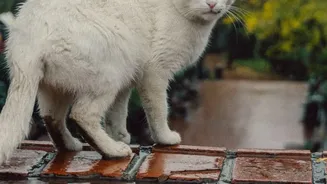




Why Monsoon Is Prime Time for Pet Skin Issues
The combination of high humidity and frequent rain creates the perfect storm for skin problems in pets. When a dog or cat's coat remains damp for extended periods, it traps moisture against the skin, creating a warm, humid microenvironment. This is an ideal
breeding ground for naturally occurring fungi and bacteria, such as Malassezia yeast and Staphylococcus, to multiply uncontrollably. This overgrowth disrupts the skin's natural balance, leading to conditions like fungal infections, pyoderma (bacterial skin infection), and acute moist dermatitis, commonly known as hot spots. Pets with thick or double coats, as well as breeds with skin folds like Pugs and Bulldogs, are especially vulnerable.
Spotting the Telltale Signs of Discomfort
Early detection is crucial to prevent a minor irritation from becoming a major infection. The first sign you'll likely notice is a change in your pet's behaviour. Watch for persistent scratching, licking, or chewing at a specific spot. Other visible symptoms include red, inflamed, or swollen skin, which may feel greasy or oily. You might find patches of hair loss, sometimes in circular patterns, along with dry, flaky, or crusty skin. A distinct musty or foul odour from the skin or ears that doesn't go away after a bath is another significant red flag. These signs are often concentrated in areas that trap moisture, such as the paws, ears, armpits, and groin.
Immediate At-Home Care and First Steps
If you notice early signs of irritation, your immediate priority is to manage the moisture. The single most important preventive step is to dry your pet thoroughly after every walk or bath. Use a highly absorbent towel, paying special attention to paws, the belly, skin folds, and the areas between their toes. For pets with denser fur, using a blow dryer on a low-heat, low-speed setting can ensure the undercoat is completely dry. Regular brushing helps remove loose fur and improves air circulation to the skin. Keeping their bedding clean and dry is also essential, as damp fabric can harbour bacteria and mould.
When a Veterinarian Visit Is Non-Negotiable
While good hygiene helps, some conditions require professional medical intervention. You should see a vet if the scratching is continuous and causing distress, or if you notice rapidly expanding red patches (hot spots), sores, or excessive scabbing. A foul odour from the skin or ears, significant hair loss, or any signs of pain are clear indicators for a vet visit. Fungal, bacterial, and allergic conditions can look very similar, and using the wrong over-the-counter treatment can make the problem worse. A vet can perform simple tests to get an accurate diagnosis and prescribe the correct treatment. Do not wait for the problem to escalate; early intervention is cheaper and far less distressing for your pet.
Common Veterinary Treatments
Based on the diagnosis, your veterinarian may recommend a course of action tailored to your pet's specific condition. For fungal infections, this often involves medicated shampoos and, in more stubborn cases, oral antifungal medication. Bacterial infections like pyoderma are typically treated with antiseptic shampoos or wipes and may require a course of antibiotics. For severe itching caused by allergies, antihistamines or short-term steroids might be prescribed to control inflammation and provide relief. It is vital to complete the full course of any prescribed medication, even if symptoms seem to improve, to prevent the infection from returning.
Long-Term Prevention for Healthy Skin
Preventing damp-coat allergies is all about consistent management. Maintain a strict drying routine after any exposure to rain. Consider keeping your pet's coat trimmed shorter during the monsoon season to allow for faster drying and better air circulation. Paw care is especially important; always clean and dry paws after walks to prevent infections between the toes. A balanced diet rich in omega fatty acids can also help strengthen the skin barrier from within. Finally, ensure your home environment is well-ventilated and consider using a dehumidifier on particularly damp days to reduce ambient moisture that contributes to fungal growth.