







The First Step: Checking the Date
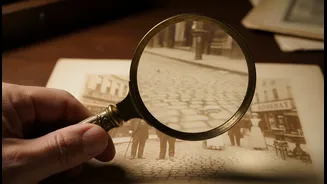
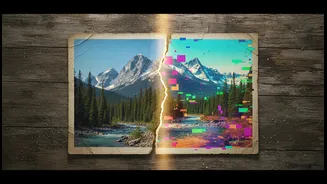
Before an image can be believed, its claimed timeline must be verified. The first and simplest step is often a reverse image search using tools like Google Lens or TinEye. These services scan the web to see if the image has appeared online before. An
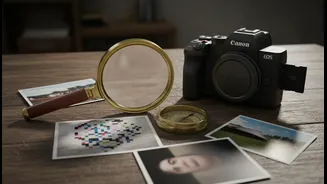
image claiming to be from a recent event might be immediately debunked if the search reveals it was first posted years ago. Beyond that, investigators look at the image’s metadata, or EXIF data. This hidden information, embedded in the original file by the camera or smartphone, contains details like the creation date and time, device used, and camera settings. However, this data can be easily edited or stripped when an image is shared on social media or messaging apps. Therefore, metadata is a clue, not definitive proof. A more robust check involves looking for visual cues within the photo itself that might contradict the supposed date, such as weather conditions that can be cross-referenced with historical data.
Pinpointing the Location
Just as important as when a photo was taken is where. Geolocation, the practice of identifying the physical location of an image, is a cornerstone of verification. This can be as simple as an EXIF data check for GPS coordinates, but as with the date, this information can be missing or faked. True verification involves a more forensic approach. Investigators scrutinise the photo for identifiable landmarks, unique buildings, street signs, storefronts, or even the type of vegetation. Using tools like Google Maps and Google Street View, they can virtually ‘visit’ a potential location to match these details precisely. Even the position of the sun and the length and angle of shadows can be analysed to confirm not only the location but also the specific time of day and time of year the photo was taken. This meticulous process helps confirm if a photo truly depicts a scene from the location it claims to.
Scrutinising the Source
An image does not exist in a vacuum. Understanding who created it and who is sharing it is fundamental to judging its credibility. The first rule is to differentiate between the person sharing the image and its original source. A reverse image search can often help trace the image back to its earliest appearance online, potentially revealing the original creator. Once a source is identified, the next step is to assess their reliability. Is the source a reputable news organisation, an official agency, or an unknown account with a history of spreading misinformation? A quick background check on the source’s previous posts and connections can provide valuable insight. In an era of AI-generated content, this step has become even more critical. While tools exist to detect AI-generated images, they are not foolproof. Often, the most reliable red flag is a source that lacks a credible history or a verifiable identity.
The Final Check: Understanding the Context
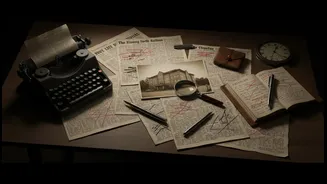
Perhaps the most nuanced and important check is for context. An image can be 100% authentic—real date, real location, real source—and still be used to spread powerful misinformation. This happens when a real photo is presented with a false caption or story, a technique known as 'false context'. For example, a photo of litter left after a concert might be shared years later and dishonestly presented as the aftermath of a political protest. The photo itself is real, but the story it's being used to tell is a lie. Verifying context means asking critical questions: What was happening when this photo was taken? Does the description accompanying the photo align with other reports of the event? Is the image being used to evoke an emotional reaction that might override rational judgment? Unlike technical checks, understanding context requires critical thinking and a broader awareness of the subject matter. It is often the final and most decisive step in separating truth from deception.