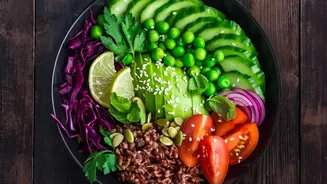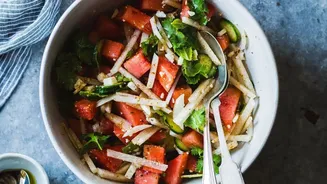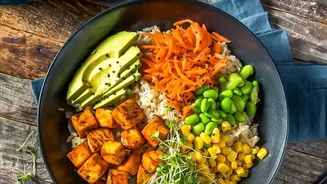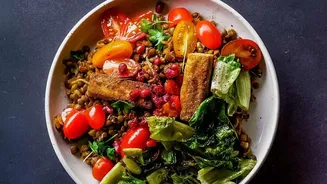




When we think of a vegetarian meal, our minds often drift to plates centered around rice or roti. But a truly diverse and nutritious vegetarian plate has so much more to offer. Let's explore the vibrant world that lies beyond the grain.
Lean on Legumes and Lentils
Legumes are the
backbone of many vegetarian cuisines for a reason. They are packed with protein, fibre, and essential nutrients, making them a satisfying base for any meal. Think beyond a simple side of dal. A hearty bowl of chana masala, rajma, or a thick lentil soup can serve as the main event. These dishes are flavourful, filling, and pair wonderfully with a simple side of steamed or roasted vegetables. For a change in texture, try making burgers or fritters from mashed chickpeas or lentils. You can also sprout legumes like moong for a crunchy, fresh addition to salads and stir-fries.
Make Vegetables the Star
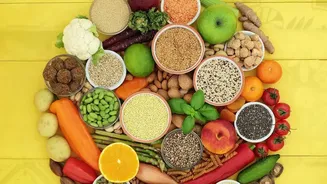
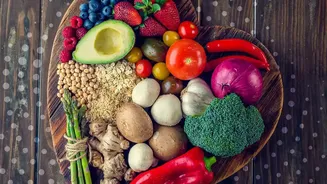
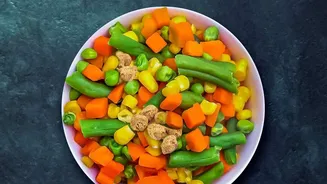
Vegetables offer a rainbow of colours, textures, and nutrients, and they can easily take centre stage on your plate. Starchy vegetables like sweet potatoes, pumpkin, and beetroot can be roasted, mashed, or turned into hearty stews. For instance, a sweet and sour pumpkin curry (khatta meetha kaddu) or baked root vegetables can be both comforting and delicious. Non-starchy vegetables can also form the foundation of a meal. Cauliflower can be grated to mimic rice or cut into thick 'steaks' and grilled. Zucchini and carrots can be spiralized into noodles as a base for sauces, while bell peppers and brinjals are perfect for stuffing.
Power Up with Plant-Based Proteins
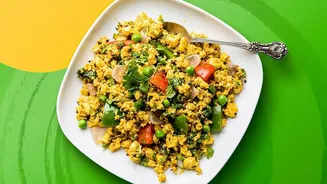
To ensure your meal is balanced and keeps you full, incorporating a solid protein source is key. Paneer, tofu, and tempeh are excellent choices that absorb flavours beautifully. Cubes of paneer or tofu can be marinated and grilled, added to curries like palak paneer (using tofu for a vegan version), or scrambled for a protein-rich breakfast. Tempeh, with its firm texture and nutty taste, is fantastic in stir-fries or crumbled as a replacement for minced meat. Soya chunks are another incredibly protein-dense option that can be used in curries and biryanis. These foods not only provide essential amino acids but also add a satisfying, 'meaty' texture to your dishes.
Incorporate Healthy Fats
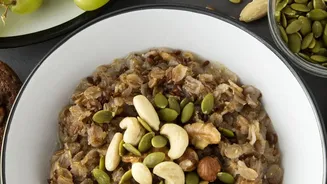
Fats are crucial for absorbing vitamins and providing sustained energy. Nuts and seeds are nutritional powerhouses, offering protein, healthy fats, and a satisfying crunch. A handful of almonds or walnuts makes a great snack, but they can also be blended into creamy sauces or sprinkled over salads and vegetable dishes. Seeds like pumpkin, sunflower, and hemp are also packed with protein and can be added to almost any dish. Avocado, with its creamy texture and heart-healthy fats, can be sliced onto salads, mashed into a dip, or blended into smoothies for an extra dose of richness and nutrition.
Rethink Soups and Salads
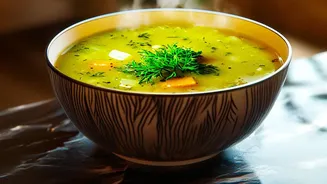
Soups and salads are often considered light appetisers, but with the right ingredients, they can become substantial, grain-free meals. To make a soup a main course, choose a thick, legume-based recipe like a red lentil soup or a black bean stew. Adding vegetables and a source of protein like tofu can make it even more filling. For salads, move beyond simple greens. Build a hearty salad with a base of chickpeas or kidney beans, add plenty of colourful vegetables, include a protein source like grilled paneer, and top it off with nuts, seeds, and a flavourful dressing.