


A Sensory Monsoon Ritual
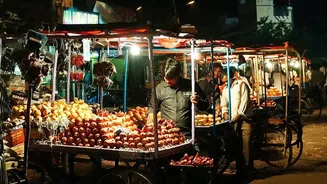
For many, the Indian monsoon isn't just a change in weather; it's a multi-sensory experience. It's the earthy smell of petrichor, the rhythmic sound of rainfall, and the unmistakable taste of street-side roasted corn. All across the country, from bustling
city streets to quiet highway stops, vendors appear with their carts, ready to serve this seasonal delight. The ritual is a familiar comfort: watching the vendor fan hot coals, expertly turning the corn until it's perfectly charred, and then generously rubbing it with a mixture of lime, salt, and spices. This isn't just fast food; it's a warm, comforting experience shared by millions, a simple pleasure that connects people to the season and to each other.
The Art of the Classic Bhutta
The magic of the classic bhutta lies in its simplicity. The process starts with fresh corn, which is at its peak during the monsoon. The cobs are roasted directly over a charcoal fire, which imparts a unique smoky flavour and a delightful char. The real transformation, however, happens in the final step. The vendor takes half a lemon, dips it into a potent mix of salt, red chilli powder, and sometimes chaat masala or black salt, and rubs it vigorously over the hot kernels. This combination of smoky, sweet, spicy, and tangy is a flavour explosion that perfectly complements the gloomy weather, providing a comforting warmth on a rainy day.
A Tale of Two Corns
Traditionally, the star of the show has been the 'desi' or Indian corn. This variety has smaller, less sweet kernels and a chewier texture that holds up beautifully to roasting, offering a more robust, starchy bite. However, in recent years, American sweet corn has become increasingly popular. Its juicy, sweet kernels offer a different, but equally enjoyable, experience. While purists may prefer the hearty chew of desi bhutta, many vendors now offer both varieties, sometimes even steaming the sweet corn and tossing it with butter and spices for a different kind of treat. This evolution shows the snack's ability to adapt while keeping its core appeal.
Not Just On the Cob
While roasted corn on the cob is the most iconic form, the monsoon corn experience doesn't end there. The versatility of corn shines in a variety of other street food preparations that gain popularity during the rains. Steamed corn kernels, tossed with butter, salt, and pepper, are a simple yet satisfying option. Another favourite is corn chaat, a vibrant mix of corn, chopped onions, tomatoes, and a medley of chutneys and spices, offering a burst of flavour in every spoonful. In Indore, a city famous for its street food, 'Bhutte ka Kees' is a local delicacy made from grated corn cooked with milk and spices into a savory, porridge-like snack. These variations prove that corn is the ultimate canvas for monsoon cravings.
Modern Twists on a Timeless Classic
The love for monsoon corn has also inspired chefs in contemporary cafes and restaurants to put their own spin on the classic. You might find bhutta-inspired corn ribs drizzled with spiced butter, peri-peri flavoured corn on the cob, or even gourmet salads featuring charred corn kernels. Some vendors are now offering a menu of flavour options beyond the classic, including Italian herbs, garlic butter, or tangy green chilli chutney. These modern interpretations don't replace the original but rather celebrate its enduring appeal, introducing the beloved flavours of monsoon corn to a new generation and in new, exciting formats, proving its journey from a humble street snack to a versatile culinary ingredient.