






The Rise of 'Healthy' Deception
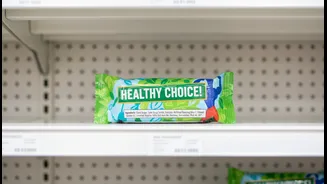
In supermarkets across India, a wellness wave has taken over the snack aisle. Packets adorned with words like 'natural', 'high-protein', 'baked, not fried', and 'multigrain' call out to health-conscious consumers. We’re all trying to make better choices
in our busy lives, and these products seem like the perfect solution. They promise guilt-free indulgence and on-the-go nutrition. However, the truth is often far more complicated. The front of the packet is marketing; the back is where the facts reside. Many of these 'fitness foods' are not designed for your health, but are engineered using a specific formula to make them so delicious that you can’t stop eating them.
What 'Hyper-Palatable' Really Means
Food scientists use the term 'hyper-palatable' to describe foods that are intentionally engineered to be intensely pleasurable to eat. These items combine fat, sugar, sodium, and carbohydrates in combinations and concentrations not found in nature. Think of whole foods: an apple has sugar, but it's bundled with fibre and water that make you feel full. Hyper-palatable foods, on the other hand, are stripped of these satiating nutrients and designed to hit the 'bliss point' in your brain's reward system, triggering a dopamine release that makes you crave more. This isn't about a lack of willpower; it’s about neuroscience. These snacks — from flavoured yoghurts and granola bars to baked chips and 'diet' namkeens — are often designed to ensure you keep coming back for another bite.
The 'Clean Label' Illusion
To sell these hyper-palatable products, brands often rely on the 'clean label' trend. There is no official or regulated definition for this term, but consumers generally perceive it to mean products with short, simple, and recognisable ingredients, free from artificial additives. Food companies leverage this perception, using terms like 'natural ingredients' or 'no artificial flavours'. However, a 'clean' label doesn't automatically mean 'healthy'. A product can be made with 'natural' cane juice, honey, or fruit concentrate and still contain an enormous amount of sugar, contributing to the same health issues as refined white sugar. This marketing tactic creates a 'health halo', making consumers believe a product is more nutritious than it actually is.
The Hidden Sugar Test: A Shopper's Guide
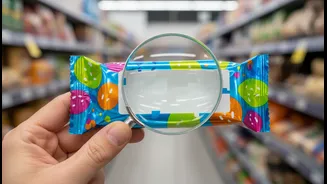
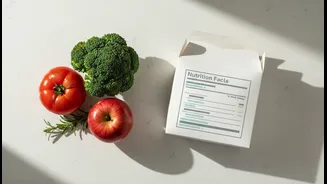
The most powerful tool against this deception is knowledge. This simple 'test' involves becoming a label detective. First, ignore the front of the pack. Flip it over to the ingredient list and the nutrition table. Ingredients are listed by weight, so whatever comes first, is the most prominent. If sugar, or one of its many aliases, is in the top three ingredients, the product is a sugar-heavy item. The trick is that sugar has over 60 different names. Look for words ending in '-ose' (like fructose, dextrose, sucrose), any type of 'syrup' (corn syrup, rice syrup), or innocent-sounding terms like cane juice, jaggery, date syrup, or maltodextrin. Often, manufacturers use two or three different types of sugar so that no single one appears at the top of the list—a common tactic to disguise the total sugar content.
Checking the Numbers and Servings
Next, find the 'Total Sugars' on the nutrition panel. A simple rule of thumb: divide the grams of sugar by four to get the approximate number of teaspoons of sugar per serving. A bar with 16 grams of sugar contains roughly four teaspoons of sugar. Would you eat four spoons of sugar as a 'healthy' snack? Also, be wary of the serving size trick. A manufacturer might list the nutrition for a tiny 30g serving, knowing full well that most people will consume the entire 100g packet in one sitting, effectively tripling or quadrupling their sugar intake. Claims like 'baked, not fried' can also be misleading, as the product may still be coated in fat and have a high calorie count.