








The Hidden Hazard in Plain Sight
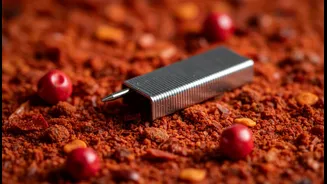
The “tiny packaging pin” is most often a standard metal stapler pin. It has been a long-standing, inexpensive, and quick method for countless small businesses, bakeries, sweet shops, and takeaway restaurants to seal their packages. You might find them
securing paper bags of freshly ground spices, pouches of snacks, sweet boxes, and even takeaway food parcels. While efficient for the vendor, this practice introduces a foreign metallic object into the food chain, something it was never designed for. The problem is that these small pins can easily become dislodged during transport or when you open the package, falling unnoticed into the food itself.
More Than Just a Choking Risk
Swallowing a small, sharp metal object can lead to a cascade of medical emergencies far more serious than just a choking hazard. If ingested, a stapler pin can cause cuts and bleeding in the mouth, throat, and esophagus. There have been numerous reported cases of people swallowing pins found in food, leading to gum bleeding and damage to the food pipe. The danger doesn't stop there. A pin can become lodged, causing painful lacerations and requiring emergency medical intervention. In the worst-case scenarios, it can perforate the sensitive internal lining of the stomach or intestines, or even enter the windpipe, causing life-threatening breathing obstruction.
What the Rules Say
Recognizing this clear danger, the Food Safety and Standards Authority of India (FSSAI) has taken a firm stance. Following numerous consumer complaints and reported incidents, FSSAI has issued directives prohibiting all food business operators from using stapler pins, metal wires, or similar objects for packaging food. The ban covers everything from sweet boxes and bakery products to takeaway meals. This directive was a significant update to earlier bans which specifically targeted stapled tea bags. The regulator has made it clear that vendors found violating this rule will face penal action under the Food Safety and Standards Act, 2006.
Why The Practice Persists
Despite the clear regulations and obvious dangers, the practice has been hard to completely eliminate. For many small-scale and unorganized food vendors, using stapler pins is a deeply ingrained habit. It is cheaper and faster than investing in alternatives like thermal heat-sealing machines or even using food-grade adhesive tapes. The fact that the food regulator had to issue such a sweeping directive highlights just how common the practice had become across the country. This gap between regulation and on-the-ground practice means that the ultimate responsibility for safety often falls to the consumer.
How to Protect Yourself and Your Family
Vigilance is your best defence against this hidden hazard. First, be a conscious consumer. When purchasing from local vendors, check how the items are packed and politely insist they use safer methods like adhesive tape or knotted strings. When you bring packaged goods home, make it a habit to immediately transfer the contents into your own clean, airtight containers. Do this carefully, on a clean surface, and inspect the food as you pour it. For items like flour, grains, or powders, consider sifting them as an extra precaution. Always open packages away from your main cooking area to prevent a loose pin from falling into a pot or pan. If you do find a pin, you can register a formal complaint with FSSAI through its online portal or the Food Safety Connect app.