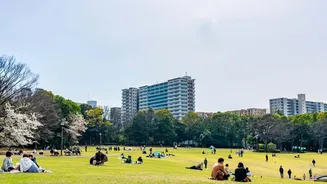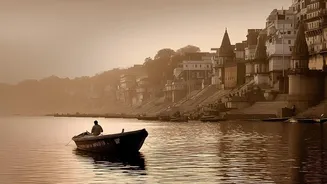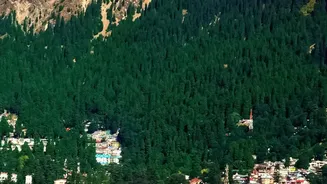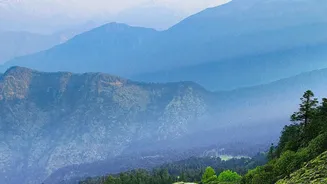






For many city dwellers, the daily grind now includes a constant battle with smog and pollution. This has given rise to a new travel trend: short, intentional getaways not for sightseeing, but simply to breathe clean, fresh air.
The Rise of the Recovery Holiday
It’s a feeling familiar
to anyone living in a major Indian metropolis: a persistent cough, irritated eyes, and a sense of exhaustion that sleep doesn't seem to fix. This is pollution fatigue, and it has spurred a new reason to travel. Urban travellers are now actively planning 'clean-air recovery holidays'—short trips designed to escape hazardous air quality and give their lungs a much-needed break. This trend isn't about luxury but about necessity, as checking the Air Quality Index (AQI) has become as common as checking hotel reviews before booking a trip. Travel agencies report that bookings from smog-heavy regions like Delhi-NCR can spike by up to 20% during peak pollution weeks, driven by families and remote workers making quick decisions to escape the city air.
What Defines a Clean-Air Getaway?
Unlike a typical vacation, a clean-air holiday is a targeted wellness mission. The primary goal is to spend a few days in an environment with demonstrably low pollution levels to reset the body and mind. Travellers are prioritising destinations known for their pristine environments over traditional tourist hotspots. The criteria for these destinations are simple but strict: high altitude, dense forest cover, low population density, and minimal industrial activity. These trips are often short—just a weekend or a few days—as studies suggest that even a brief escape can help reduce stress, improve respiratory comfort, and boost energy levels. It's a form of preventative health, a conscious choice to mitigate the physical and mental toll of urban pollution.
Himalayan Havens for Your Lungs
The Himalayas are a natural first choice for those seeking the purest air. States like Uttarakhand and Himachal Pradesh offer numerous accessible sanctuaries. Destinations like Kasauli, Dharamshala, and the Tirthan Valley provide a crisp, clean atmosphere thanks to dense cedar and pine forests that act as natural air filters. High-altitude locations such as Spiti Valley, though more remote, offer some of the cleanest air in the country due to their elevation and lack of industrialisation. Lesser-known spots like Pangot in Uttarakhand are becoming go-to destinations for their pristine ecological cover and noticeably lighter air. These mountain retreats allow visitors to indulge in simple, restorative activities like forest walks and deep breathing, which feel like a luxury after months in the city.
Coastal Breezes and Southern Greens
Clean air isn't exclusive to the mountains. The southern states offer lush, green alternatives with excellent air quality. The vast tea plantations of Munnar in Kerala and the coffee estates of Coorg in Karnataka are popular choices for a lung-detox holiday. The consistent rainfall and abundant greenery in these regions ensure pollution levels remain low. Coastal towns also provide relief, as sea breezes help disperse pollutants, keeping the air fresh and light. Destinations like Gokarna in Karnataka or even the pristine Mawlynnong in Meghalaya, often called 'Asia's Cleanest Village', are gaining popularity among health-conscious travellers. These locations offer a different kind of serenity, combining the benefits of clean air with the calming presence of water or dense tropical forests.
The Tangible Benefits of a Short Escape
Spending just a few days in a clean air environment can have noticeable positive effects. Many people report better sleep, reduced coughing, and a significant boost in energy levels. Exposure to nature and fresh air is also linked to improved mental wellbeing, including reduced stress and anxiety. Oxygen is thought to affect the body's serotonin levels, which contributes to feelings of happiness and relaxation. While a short holiday won't permanently undo the damage from long term exposure to pollution, it offers a vital period of recovery that allows the body to rest and recuperate. These breaks serve as a powerful reminder of what breathing is supposed to feel like, making them an essential part of a modern urban survival kit.