




What Exactly Is Sugarcane Packaging?
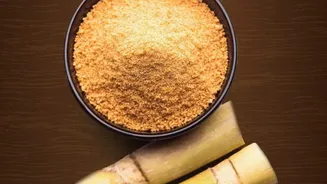
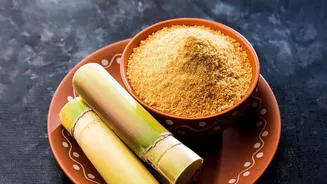
At its heart, this innovation is about turning waste into a valuable resource. The packaging is made from bagasse, the dry, fibrous material left over after sugarcane stalks are crushed to extract their juice. Instead of being discarded or burned, this agricultural
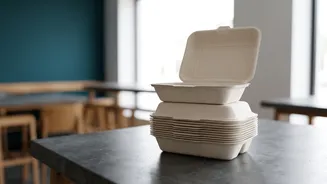
byproduct is collected, mixed with water to form a pulp, and then molded under heat and pressure into sturdy containers, plates, and bowls. This process gives a second life to a material that was once considered waste, creating a circular system that reduces reliance on virgin materials like trees or petroleum.
The Powerful Sustainability Advantage
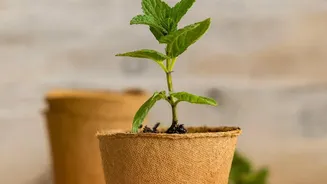
The environmental benefits of sugarcane packaging are significant. Unlike plastic or Styrofoam, which can persist in landfills for hundreds of years, bagasse is fully biodegradable and compostable. Under the right composting conditions, these containers can break down into nutrient-rich soil in as little as 60 to 90 days, leaving no toxic residue behind. Furthermore, because it's made from sugarcane—a rapidly renewable crop harvested annually—the raw material is far more sustainable than petroleum-based plastics or even paper from slow-growing trees. This results in a lower carbon footprint during production and less pollution throughout the product's lifecycle.
Is It Good Enough for Your Food?
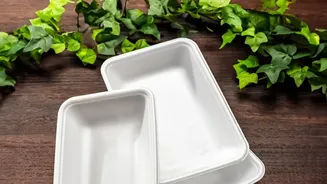
Sustainability is important, but a food container has one primary job: to hold food without falling apart. On this front, sugarcane packaging delivers impressive performance. These containers are known for being strong, durable, and surprisingly lightweight. They are naturally grease and moisture-resistant, making them suitable for everything from salads to hot, oily curries. A key feature is their excellent heat resistance. Most bagasse products are microwave-safe for reheating and can also be used in the freezer for food storage, offering a level of versatility that many other eco-friendly options lack. This high quality makes them a practical choice for restaurants, food delivery services, and home use.
A Perfect Fit for India's Needs
For a country like India, which is one of the world's largest sugarcane producers, bagasse is an abundant local resource. Leveraging this agro-waste aligns perfectly with national goals to reduce single-use plastic and combat pollution. Several Indian companies are already manufacturing high-quality bagasse tableware and containers, turning a local byproduct into a solution for a global problem. This not only reduces landfill waste and air pollution from burning crop residue but also supports local economies and creates a self-reliant supply chain for sustainable packaging.
Are There Any Downsides?
While sugarcane packaging is a strong contender, no solution is perfect. Some sources note that the durability, while excellent for single-use, may not match traditional materials in all scenarios. In the past, some lower-quality bagasse products used PFAS (per- and polyfluoroalkyl substances) for added water and grease resistance, but the industry is increasingly moving towards PFAS-free options as a standard. Additionally, proper disposal is key to realizing its benefits; bagasse breaks down best in commercial composting facilities, which are not yet universally accessible. However, it will still biodegrade far more rapidly than plastic even in suboptimal conditions.
A Greener Future for Your Takeaway
As consumers and businesses become more environmentally conscious, the demand for responsible packaging is soaring. Sugarcane bagasse containers offer a compelling combination of sustainability, performance, and practicality. They prove that we don't have to choose between convenience and the environment. By embracing materials derived from agricultural waste, we can make significant strides in reducing our reliance on plastic and building a more circular economy, one meal at a time. The next time you order in, look for these light-brown, fibrous containers—they represent a small but powerful choice for a healthier planet.