


What is the Harvest Moon?
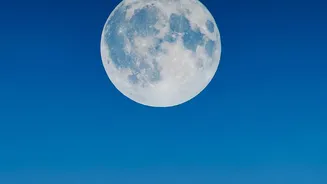
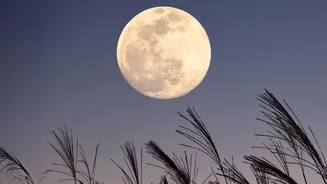
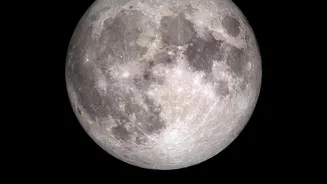
The Harvest Moon is not a different type of moon but a name given to the full moon that occurs closest to the autumnal equinox, which usually falls around September 22 or 23 in the Northern Hemisphere. Its name has practical, historical roots, dating
back to a time before electricity. Farmers, working late to gather their crops before the first frost, relied on the bright moonlight to extend their working day. This full moon provided several nights of bright light right after sunset, proving essential during the crucial harvest season, and earning its famous name.
When and How to See It in India
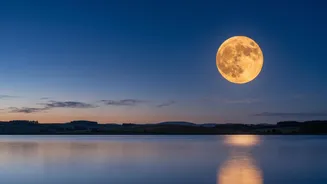
For skywatchers in India, the Harvest Moon will reach its peak illumination at 10:19 PM IST on Saturday, September 26, 2026. Since the moon appears full to the naked eye for about a day on either side of this peak, the nights of September 26 and September 27 will both be excellent for viewing. The moon will rise in the east around sunset. For the most dramatic view, try to catch it just as it crests the horizon. You don’t need any special equipment; the Harvest Moon will be a magnificent sight for the naked eye.
A Golden-Orange Glow
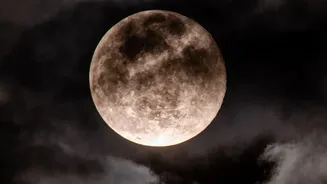
One of the most captivating aspects of the Harvest Moon is its colour. When the moon is low on the horizon, it often takes on a beautiful yellow, orange, or even reddish hue. This isn't unique to the Harvest Moon, but it's particularly noticeable because it rises around sunset for several consecutive nights. The effect is caused by a phenomenon called Rayleigh scattering. As moonlight travels through more of Earth's atmosphere to reach our eyes, shorter blue wavelengths of light are scattered away, while longer red and orange wavelengths pass through, creating a warm, golden glow. Dust or haze in the air can make this effect even more striking.
The Harvest Moon Effect
What truly sets the Harvest Moon apart is the timing of its rise on successive nights. Normally, the moon rises about 50 minutes later each day. However, around the time of the autumnal equinox, this interval shortens significantly to as little as 20 to 30 minutes, especially at higher latitudes. This is known as the 'Harvest Moon effect'. It means we get several evenings in a row with a full-looking moon rising shortly after sunset, providing that extended period of bright moonlight that was so valuable to farmers of the past.
Cultural Significance in India
In India, the full moon in the Hindu month of Ashwin, which often coincides with the Harvest Moon, is celebrated as Sharad Purnima or Kojagari Purnima. This night is considered auspicious, marking the end of the monsoon and the beginning of autumn. It is deeply rooted in mythology and tradition, with stories of Lord Krishna's divine dance and rituals involving offerings like kheer (sweet rice pudding), which is left under the moonlight in the belief that it will be blessed with healing properties. The period around this full moon also often overlaps with Pitru Paksha, a time for honouring ancestors.