



The Return to Earthen Roots
In an era of instant meals and high-tech gadgets, the revival of clay pot cooking feels like a conscious step back to a slower, more mindful way of life. This trend is driven by a growing desire for authenticity, health, and flavour that modern cookware
sometimes fails to deliver. Home cooks and wellness enthusiasts are rediscovering what ancient traditions have known for centuries: cooking in earth is not just a method, it is an experience. The move is part of a larger shift towards natural, chemical-free living, with people becoming more aware of the potential downsides of synthetic coatings on non-stick pans. Clay, being a completely natural and biodegradable material, offers an eco-friendly alternative that resonates with a sustainable lifestyle.
Flavour and Nutrients in Every Bite
The magic of clay pot cooking lies in the material itself. Clay is porous, allowing heat and moisture to circulate evenly throughout the pot. This creates a gentle, uniform cooking environment that is difficult to replicate. Unlike metal pans that can create harsh hot spots, a clay pot cooks food slowly and delicately in its own juices. This process not only makes meat more tender and vegetables more succulent but also helps retain the food's natural nutrients, which can be lost at high temperatures. Furthermore, clay is naturally alkaline. When it interacts with acidic foods like tomatoes, it helps balance the pH, lending a subtle, natural sweetness to curries and gravies. Many users also find they need less oil, as the pot's ability to retain moisture prevents food from sticking.
A Pot for Every Purpose
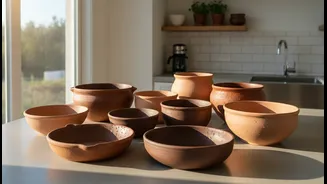
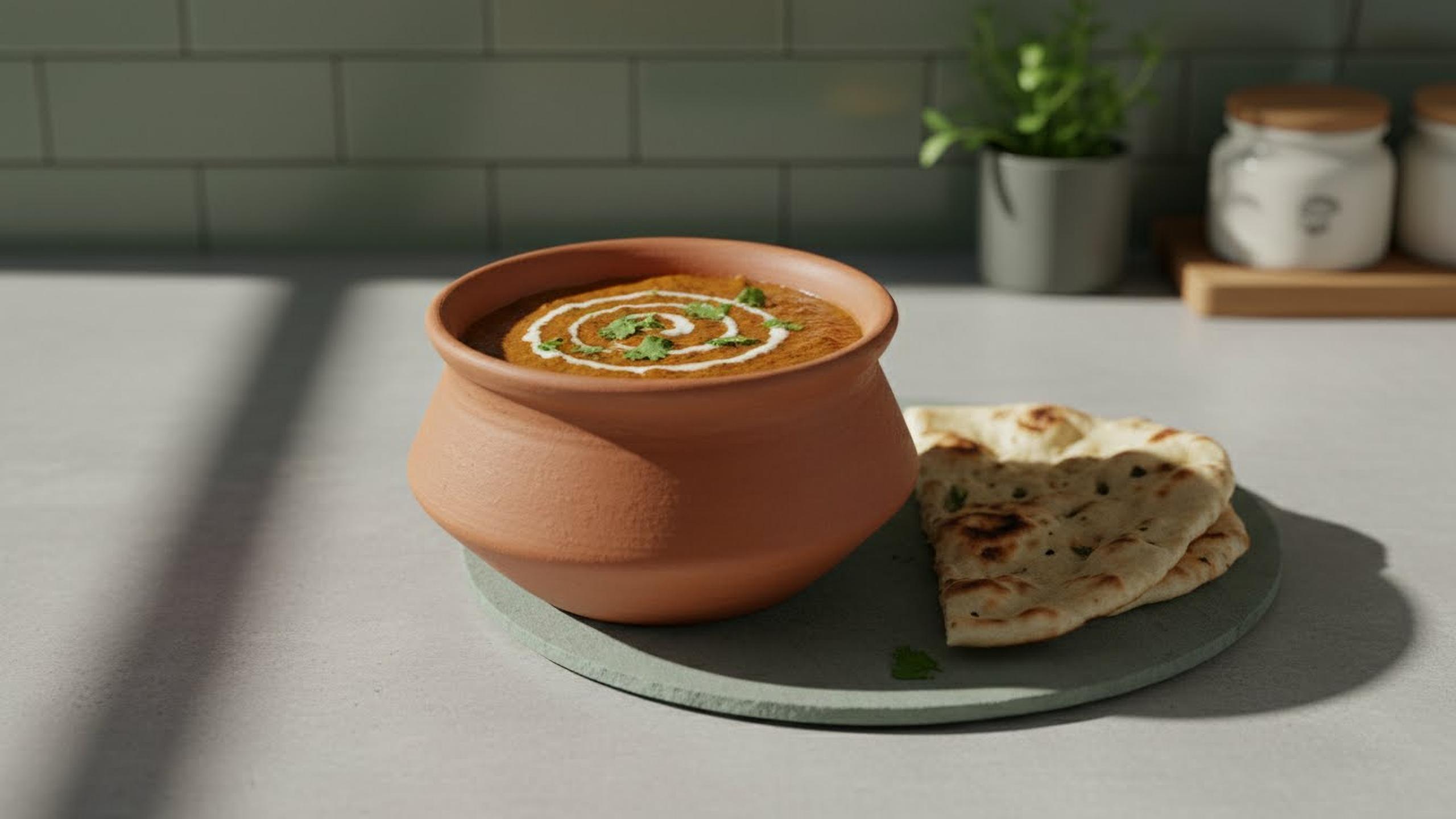
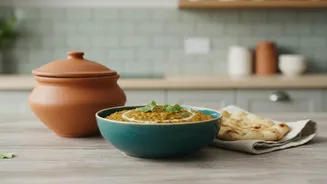
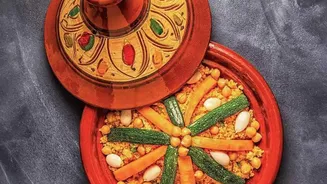
The world of Indian clay cookware is diverse, with specific shapes designed for different culinary tasks. The most common is the handi, a deep, round-bottomed pot with a relatively narrow mouth, perfect for slow-cooking flavourful biryanis, curries, and dals. Its shape allows for excellent heat circulation and traps steam, intensifying the aroma. Then there is the kadhai, a wider, wok-like vessel ideal for frying or making vegetable preparations. For South Indian delicacies, specialised pans like the appam or paniyaram pan with their distinctive moulds are also available in clay. Even the simple act of setting curd or storing water in an earthen matka is a practice rooted in the wisdom of natural cooling and fermentation.
Making Mitti Work in a Modern Home
Integrating these traditional vessels into a modern kitchen is easier than one might think, though it requires a little care. Before its first use, a new clay pot needs to be 'seasoned'—typically by soaking it in water and then heating it with a light coating of oil. This process strengthens the pot and makes it naturally non-stick. When cooking on a gas stove, it is crucial to always start with a low flame and increase the heat gradually to prevent the pot from cracking due to thermal shock. Using a heat diffuser can provide an extra layer of protection between the direct flame and the pot. Cleaning is also straightforward: avoid harsh detergents and metal scrubbers, which can damage the porous surface. A simple wash with hot water and a soft brush is usually all that is needed.