







Understanding Modern Workplace Strain
In today's hyper-connected professional world, the lines between work and life are increasingly blurred. Long hours spent sitting at a desk, staring at screens, and managing a constant flow of information can lead to significant physical and mental fatigue.
This sedentary lifestyle is linked to issues like back pain, poor posture, and repetitive strain injuries. Mentally, the pressure to perform can elevate stress hormones like cortisol, leading to anxiety, reduced focus, and a higher risk of burnout. Many professionals report feeling overwhelmed, finding it difficult to switch off and truly rest, which affects everything from sleep quality to overall job satisfaction.
The Power of Mindful Movement
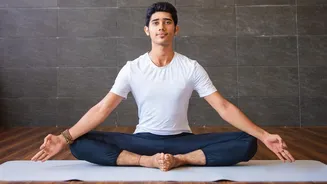
Yoga is more than just physical exercise; it's a practice of mindful movement. This means paying conscious attention to your body's sensations, your breath, and your thoughts without judgment. Unlike a high-intensity workout that can sometimes add more stress to the body, mindful movement focuses on activating the parasympathetic nervous system, also known as the 'rest and digest' state. This process helps to counteract the 'fight or flight' response triggered by workplace pressures. By connecting breath with gentle movement, you learn to ground yourself in the present moment, which can reduce anxiety about past mistakes or future deadlines.
Simple Yoga Poses for Your Desk
You don't need a yoga mat or a full hour to reap the benefits. Integrating short, simple movements into your workday can make a significant difference. Here are a few poses you can do right at your chair: Seated Cat-Cow: Place your hands on your knees. As you inhale, arch your back and look up, opening your chest. As you exhale, round your spine and drop your chin to your chest. Repeat this 5-8 times to relieve spinal stiffness. Seated Spinal Twist: Sit tall and turn your torso to the right, using the back of the chair for a gentle twist. Hold for five deep breaths, feeling the stretch in your spine, and then repeat on the left side. Chair Pigeon Pose: While seated, cross your right ankle over your left knee. Gently press on your right knee to feel a stretch in your hip. Hold for a few breaths and switch sides. This helps relieve tightness from prolonged sitting. Shoulder Rolls and Neck Stretches: Inhale and lift your shoulders to your ears, then exhale and roll them back and down. Gently tilt your head from side to side to release tension in the neck.
The Breath is Your Anchor
One of the most potent tools yoga provides for stress management is pranayama, or breathwork. When you feel overwhelmed, your breathing often becomes shallow and rapid. Consciously slowing it down can instantly calm your nervous system. A simple technique to try is Alternate Nostril Breathing (Nadi Shodhana). Sit comfortably and use your right thumb to close your right nostril. Inhale slowly through your left nostril. Then, close your left nostril with your ring finger and exhale through the right. Inhale through the right, close it, and exhale through the left. Continuing this for even a few minutes can balance your energy and clear your mind.
Building a Sustainable Micro-Practice
The key to diffusing workplace strain isn't a single, dramatic change but the consistent integration of small, mindful habits. Start by setting a reminder to practice one or two desk poses every hour. Use the time you wait for a file to download or a pot of tea to brew to take five deep, conscious breaths. The goal is not to achieve a perfect pose but to create moments of intentional pause throughout your day. These micro-interventions accumulate, helping to regulate your stress response, improve your focus, and foster a greater sense of calm and resilience amidst the daily chaos of work. Over time, these practices build mental and physical resilience, helping you navigate professional challenges with greater ease.