
Why Freshness and Safety Matter
A homemade food gift is an act of love, and part of that love is ensuring the gift is both safe and enjoyable. Different foods have vastly different lifespans. A dry, crunchy cookie will last much longer than a soft, milk-based mithai. Ignoring shelf
life can lead to gifts that are stale, have lost their texture, or worse, have become unsafe to eat. By thinking ahead, you show the recipient you care about their well-being, not just the gesture itself. This simple consideration elevates your gift from just a tasty treat to a truly caring and responsible expression of affection.
Baked Goods: Cookies, Cakes, and Breads
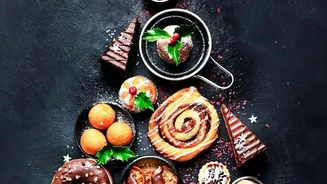
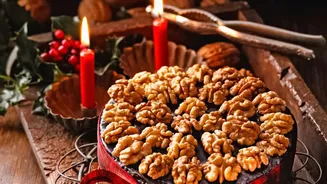
Baked items are festive staples, but their shelf life depends heavily on their ingredients. Dry, crisp cookies like biscotti or shortbread can last for a couple of weeks if stored in an airtight container. Softer, chewier cookies have a shorter window, usually around five to seven days. Quick breads and cakes with high moisture content are best eaten within three to four days. If your cake has a cream cheese or fresh cream frosting, it must be refrigerated and consumed within a couple of days. When gifting these, it's best to deliver them as fresh as possible.
Indian Sweets: A Delicate Matter
Festivals in India are synonymous with mithai, but their shelf life varies greatly. Sweets made from khoya, paneer, or fresh milk, such as Kalakand, Sandesh, and Rasmalai, are highly perishable and should be refrigerated and consumed within one to three days. Ladoos made with besan or ghee and dry sweets like Kaju Katli have a longer shelf life, often staying fresh for seven to fifteen days if kept in a cool, dry place in an airtight container. Dry fruit-based sweets and chikkis are also excellent for gifting as they can last for several weeks. The key is understanding the base ingredients: the more milk and moisture, the shorter the lifespan.
Preserves and Pickles: Gifts That Last
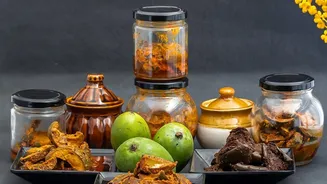
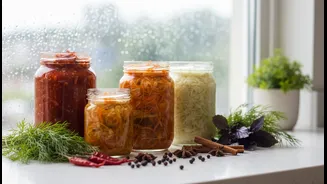
Jams, jellies, and pickles are wonderful gifts precisely because they are designed to last. When prepared and sealed correctly, most home-canned goods are best used within one year. The safety of these items hinges on using tested recipes and proper processing techniques, like a boiling water bath, to create a vacuum seal that prevents spoilage and destroys harmful microorganisms. Using unsterilised jars or improper sealing methods can make the gift unsafe, regardless of how beautiful it looks. Always follow a reliable recipe and process to ensure your preserved gifts are safe for long-term storage.
Packaging for Peak Freshness
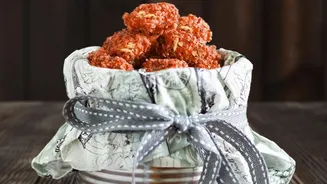
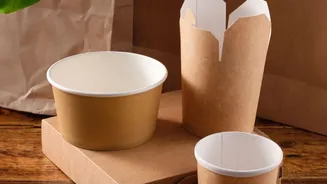
The right container is crucial for extending the life of your gift. Airtight containers are a must for almost every food gift, from cookies to mithai, as they protect against moisture, air, and absorbing other odours. For baked goods, tins or sealed jars work well. If an item is particularly greasy, like some brownies or bars, wrapping it in wax or parchment paper first will prevent the packaging from becoming oily. For jams and pickles, a proper canning jar with a two-piece lid system is essential to maintain the seal and ensure safety. The packaging isn't just for looks; it's a key part of the preservation process.
The Golden Rule: Label Everything Clearly
The most important rule is to communicate clearly with your recipient. Don't make them guess. A simple, elegant tag can convey everything they need to know. Your label should include the name of the item, the date it was made, and essential storage instructions like "Refrigerate after opening" or "Store in a cool, dry place." It is also incredibly helpful to include a "Best Before" date to guide them. Listing the main ingredients is a thoughtful touch, especially for those with allergies. This simple act of labeling turns a homemade item into a trustworthy and well-thought-out gift.