




1. Lychee (Litchi)
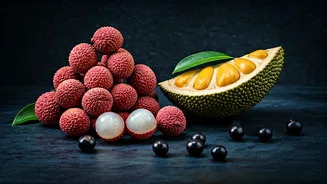
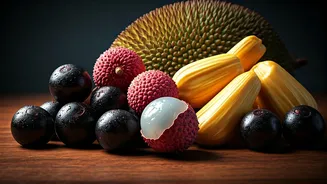
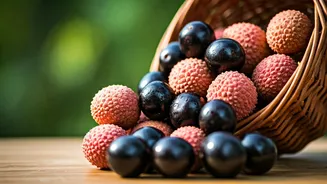
Easily one of the most beloved monsoon-season treats in Asia, lychee is a small, round fruit with a bumpy red peel and sweet, fragrant, translucent white flesh. It's like a firmer, more aromatic grape. While they signal the start of the rainy season abroad,
they typically appear in U.S. markets in early summer. Lychees are an excellent source of Vitamin C, which is crucial for a strong immune system and healthy skin. They also contain copper, important for red blood cell formation, and potassium, which helps regulate blood pressure. You can find them fresh in many Asian grocery stores or canned in syrup (though fresh is always better) at most major supermarkets. Just peel, pop the juicy flesh in your mouth, and spit out the single large seed.
2. Jamun (Java Plum)
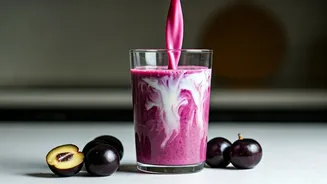
A quintessential monsoon fruit in India, Jamun (also known as Java plum or black plum) is a deep purple, olive-sized fruit with a unique taste that's a mix of sweet, sour, and astringent. It has a tendency to stain your tongue purple, a childhood delight for many. In the U.S., you're most likely to find it frozen or as a juice or powder in Indian grocery stores. Jamun is prized in traditional Ayurvedic medicine for its various health properties. It's loaded with antioxidants, particularly anthocyanins, which give it its dark color and are linked to anti-inflammatory benefits. It's also relatively low in calories and contains iron, potassium, and Vitamin C, making it a great addition for overall wellness.
3. Pomegranate
While available for a long season in the U.S., pomegranates are at their peak in many parts of the world during the later monsoon and autumn months. This beautiful, jewel-toned fruit is famous for its arils—the ruby-red seeds encased in sacs of sweet-tart juice. Pomegranates are a nutritional powerhouse. They are packed with powerful antioxidants, including punicalagins, which have been shown to have potent anti-inflammatory effects. They are also a great source of fiber, which aids digestion, and provide a healthy dose of Vitamin C and Vitamin K. Breaking one down can be messy, but the reward is worth it. For an easier route, you can buy pre-packaged arils in the refrigerated produce section of almost any grocery store.
4. Jackfruit
The world's largest tree-borne fruit, jackfruit, is harvested just before and during the early parts of monsoon season. Its sheer size is imposing, but its versatility is what makes it a star. When ripe, its fleshy pods are sweet and have a flavor often described as a mix of banana, mango, and pineapple. When unripe, its texture is stringy and meat-like, making it a hugely popular plant-based substitute for pulled pork. Nutritionally, jackfruit offers a good amount of dietary fiber, promoting digestive health. It's also a solid source of Vitamin C and potassium. You can find whole, massive jackfruits in some specialty markets, but it's much easier to buy it canned (packed in brine for savory dishes, or syrup for sweet ones) or in ready-to-eat refrigerated packages.
5. Mangosteen
Often called the "Queen of Fruits," the mangosteen is a rare and coveted delicacy that ripens during the rainy season in Southeast Asia. It has a thick, deep purple rind that, when opened, reveals segments of soft, snow-white flesh with a sublime flavor—a delicate balance of sweet and tangy, with notes of lychee, peach, and vanilla. For years, they were banned from import into the U.S., but they are now available in some high-end and Asian markets, though they can be pricey. Mangosteens are known for their high concentration of xanthones, a unique class of antioxidants with powerful anti-inflammatory properties. They also provide fiber and a modest amount of Vitamin C.