






The Trend of a Thousand Getaways
The traditional long holiday is facing competition from a new way of travelling: the 'micro-cation'. Instead of one big annual trip, more Indians are opting for several shorter breaks spread throughout the year, especially during the festive quarter from October
to December. This trend is driven by a desire to explore more places without using up too much leave at once. For many, especially younger professionals, spontaneous two- or three-night trips have become the norm. But is this hop-on, hop-off approach to holidays right for everyone, particularly during the busy Diwali season? Let's break down the benefits and drawbacks.
Pro: The Joy of Anticipation and Variety
One of the biggest psychological benefits of taking multiple trips is the power of anticipation. Studies show that looking forward to a holiday can bring as much, if not more, happiness than the trip itself. By planning several getaways, you get to experience that pre-trip excitement multiple times a year. This approach also allows for more variety. Instead of dedicating your entire holiday to one place, you could explore a serene Himalayan town like Sangla one weekend and a coastal destination like Gokarna the next. This constant change of scenery can be more mentally refreshing than a single, long break, helping to prevent burnout by offering regular escapes from routine.
Pro: Flexibility and Easier Financial Planning
Shorter trips are often easier to plan and execute. They require less coordination, less packing, and a shorter list of must-dos, which can reduce planning stress. Financially, spreading costs across several smaller trips can feel more manageable than paying for one big holiday all at once. Instead of a single large expense for flights and hotels, you have smaller, staggered payments throughout the season. This can make travel feel more accessible and less of a financial burden, allowing you to budget for each trip individually.
Con: The Hidden Costs and Travel Fatigue
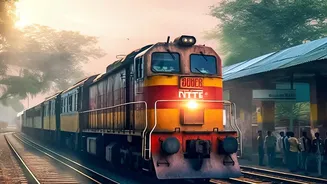
While individual short trips might seem cheaper, the costs can add up. Multiple sets of flights or train tickets, taxi rides, and accommodations can sometimes exceed the cost of one longer, well-planned vacation. This is especially true during Diwali, when travel demand surges. Airfares on popular domestic routes can skyrocket, with prices sometimes doubling or tripling. Beyond the financial toll, there's the physical cost of constant travel. Hopping between destinations without adequate rest can lead to travel fatigue, leaving you feeling more drained than relaxed. This exhaustion is caused by disrupted sleep, dehydration from flights, and the general stress of being in transit, which can negate the restorative purpose of a holiday.
Con: Missing the Festive Spirit at Home
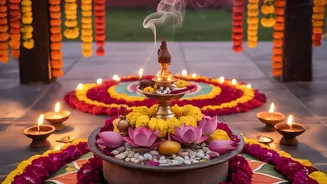
Diwali is deeply rooted in family and community traditions. It's a time for lighting diyas at home, performing Lakshmi Puja, and celebrating with loved ones. While visiting relatives is a major reason for travel, choosing to be on the move for leisure throughout the festive period might mean you miss out on these core experiences. The days leading up to Diwali are filled with preparations that are a significant part of the celebration. Being away on multiple short trips could leave you feeling disconnected from the festive atmosphere at home and in your community. A single, longer trip might be easier to plan around the main festival days, allowing you to enjoy both travel and tradition.
Con: The Challenge of Last-Minute Bookings
The trend towards shorter trips is often linked to spontaneous decisions. However, this approach can be risky during Diwali, one of India's busiest travel periods. Waiting until the last minute can mean facing sold-out trains and exorbitant flight prices. Many businesses in tourist towns may also operate on different schedules, and some attractions might even be closed for the festival. Unlike a well-planned long vacation booked months in advance, a series of spontaneous short trips could result in more logistical headaches than actual relaxation.