


Understanding Pododermatitis
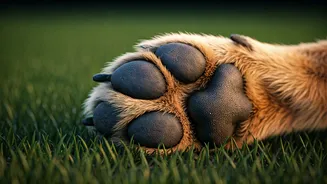
Pododermatitis is not a specific disease but a medical term for inflammation of the skin on a dog's paws. It can affect one or all four paws, involving the skin between the toes, the paw pads, and even the nail beds. Think of it as a symptom of an underlying
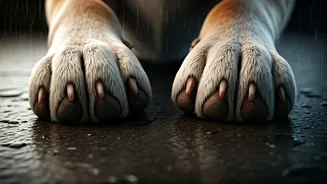
issue rather than a diagnosis in itself. The causes are numerous and can range from allergies and infections to foreign bodies like thorns or grass seeds lodged in the paw. In India, the high humidity and constant moisture during the monsoon season create a perfect storm for this uncomfortable condition to develop.
Why the Monsoon is a Major Trigger
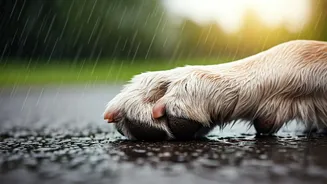
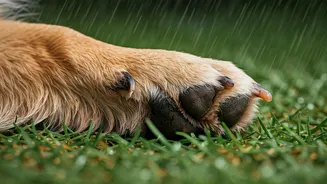
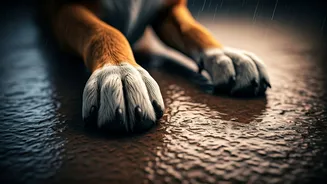
The rainy season dramatically increases the risk of paw problems. Constant exposure to water and damp ground softens a dog's paw pads, making them more susceptible to injury and infection. Puddles, mud, and waterlogged parks become breeding grounds for bacteria and fungi. When your dog walks through these areas, their paws pick up these microorganisms. Without thorough drying, the moisture trapped between their toes and in their fur creates a warm, humid environment where these germs can thrive, leading to inflammation and infection.
Key Symptoms to Watch For
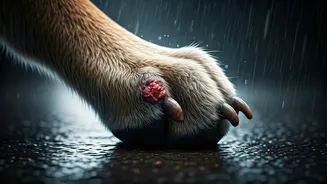
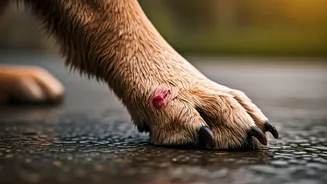
A vigilant pet parent can often spot the early signs of pododermatitis. The most common giveaway is a change in your dog's behaviour. Look out for excessive licking or chewing of the paws, which indicates itching and discomfort. Other visual cues include redness and swelling, especially in the delicate skin between the toes. You might also notice your dog limping or showing reluctance to walk, a clear sign of pain. In more advanced cases, you may see boils, blisters, or pus-filled sores, which can have an unpleasant odour. Sometimes, the fur around the paws may appear stained a reddish-brown colour from saliva.
Prevention Is the Best Paw-tection
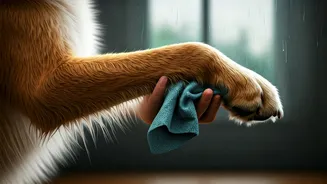
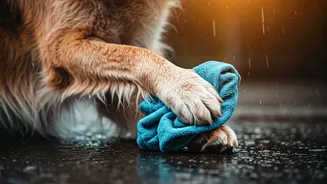
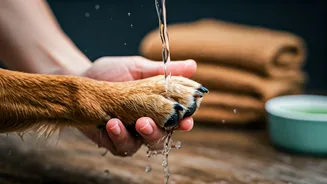
Fortunately, a few simple, consistent habits can significantly reduce the risk of monsoon-related pododermatitis. The single most important step is to clean and dry your dog's paws thoroughly after every single walk. Use a clean towel and pay special attention to the area between the paw pads. For dogs with longer fur, keeping the hair between their toes trimmed short can prevent mud and moisture from getting trapped. Try to avoid walks through stagnant, dirty water and consider using waterproof dog booties if your pet will tolerate them. A quick wipe-down is a small price to pay for a healthy, happy pet.
When to See the Veterinarian
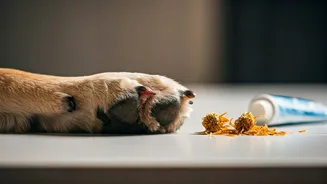
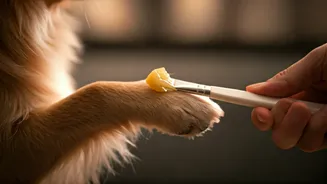
While good hygiene can prevent many issues, it's crucial to know when professional help is needed. If your dog's symptoms are mild, such as minor redness, a good cleaning and drying routine might be enough. However, you should consult your veterinarian if you notice any open sores, discharge or pus, severe swelling, or if your dog is clearly in pain or limping. Self-diagnosing or using human medications can be dangerous. A vet will be able to properly diagnose the underlying cause—be it a bacterial infection, a fungal issue, an allergy, or a foreign object—and prescribe the correct treatment, which might include medicated shampoos, oral antibiotics, or anti-inflammatory drugs.