








The Freedom of Flexible Solar
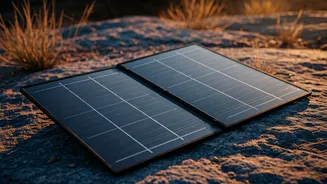
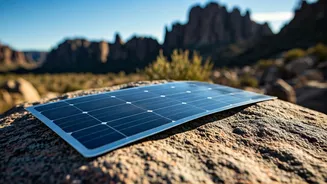
For years, the promise of solar power for trekkers was hampered by bulky, fragile, and inefficient panels. That has changed dramatically. The new generation of power solutions are thin, flexible solar mats. Unlike traditional rigid panels, these use technologies
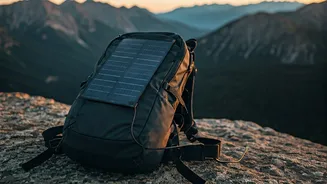
like CIGS (Copper Indium Gallium Selenide) printed onto a flexible backing. This makes them incredibly lightweight and durable. You can roll them up, strap them to your backpack, and barely notice they are there. For the Indian adventurer planning a multi-day trek in Ladakh or a remote trail in the Western Ghats, this technology represents a significant leap in self-sufficiency, allowing you to venture further for longer without sacrificing the safety net of powered electronics.
What You Can Realistically Power
Before you dream of running a mini-fridge at your base camp, it's crucial to manage expectations. These portable mats are designed for low-power, essential devices. Think of them as 'trickle chargers' that work best over several hours of good sunlight. Your primary targets for charging should be: a smartphone (for navigation and communication), a GPS device, a satellite messenger, a headlamp, and your camera batteries. The most effective strategy isn't to plug your phone directly into the panel. Instead, the gold standard is to use the solar mat to charge a power bank during the day while you hike. Then, at night, you can use the fully charged power bank to power up all your devices safely and efficiently, regardless of the weather.
Decoding the Tech Specs
Shopping for a solar mat can feel confusing with all the numbers. Focus on three key things: wattage, weight, and durability. Wattage (W) is the measure of power output. For charging small devices and a power bank, a panel in the 10W to 20W range is a good sweet spot. Anything less will be frustratingly slow. Anything more adds significant weight and size. A 15W panel, in direct sunlight, can typically charge a standard 10,000mAh power bank in about 6-8 hours. Also, look for panels with a direct USB output. Finally, check for durability features. Is it waterproof or just water-resistant? Is the material tough enough to handle being scraped against rocks or trees? Look for an IP rating (like IP67) which indicates a high level of dust and water protection.
Choosing Your Off-Grid Companion
The right solar mat is a trade-off between power, weight, and price. A high-wattage panel will charge faster but will be heavier and bulkier. For most trekkers, a lightweight, foldable panel between 10-15W offers the best balance. Before buying, consider the gear you carry. List the devices you absolutely need to keep charged. This will help you decide on the size of the power bank you need, which in turn determines the panel wattage required to keep it topped up. Reputable brands often provide more accurate power output ratings and are built with better materials, ensuring they last more than one trekking season. Reading reviews from other long-distance hikers can provide invaluable real-world insight beyond the marketing claims.
Strategies for Himalayan Realities
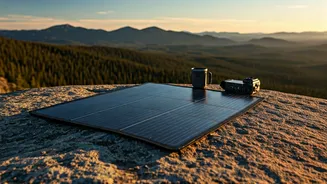
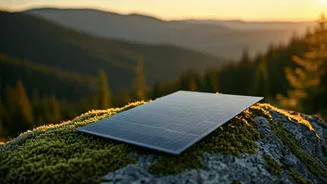
Using a solar panel in the mountains isn’t just 'plug and play'. The weather is unpredictable, and the sun's angle changes. To maximise efficiency, always angle the panel directly towards the sun. As you hike, this means repositioning it on your pack. During breaks, lay it out on a rock facing the sun. In the variable weather of the Himalayas, every moment of direct sunlight counts. Don't be discouraged by passing clouds; modern panels can still generate a small charge in overcast conditions, but it will be significantly reduced. Always charge a power bank first, not your phone. This buffer protects your device from inconsistent power flow and ensures you have a reliable power source ready for the evening when the sun is down.