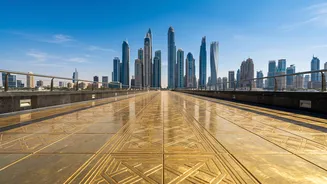



A walkway paved not with brick or stone, but with 24-carat gold. It sounds like a fable, but in Dubai, the line between myth and reality is constantly being redrawn. What would such a path offer, and what does it say about the city's identity?
The Golden Idea
First, let's
address the gilded elephant in the room. While the idea of a solid gold walkway has captured imaginations, there is no official confirmation of such a project on the immediate horizon. However, the very fact that the concept sounds plausible is a testament to Dubai's carefully cultivated brand of architectural audacity. In a city that boasts the world's tallest building and man-made islands shaped like palm trees, a golden path feels less like a fantasy and more like an inevitability. The proposal, real or rumored, serves as a perfect symbol for a city that has consistently turned 'impossible' into 'in progress'. It represents the pinnacle of luxury, an experience designed not just for transit, but for pure spectacle.
A City Paved With Ambition
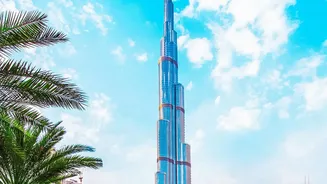
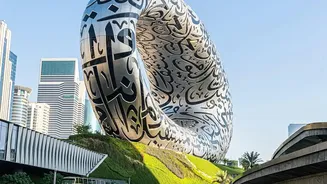
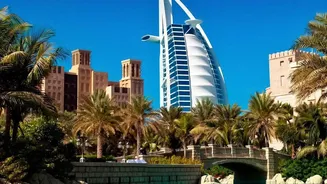
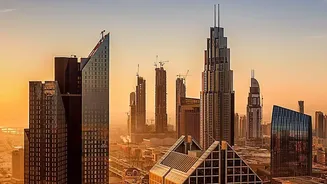
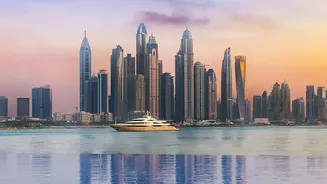
To understand the allure of a golden walkway, one only needs to look at Dubai's existing skyline. The city has a long history of creating destinations that are, by themselves, global attractions. The Burj Khalifa did not just break height records; it redefined the scale of modern skyscrapers. The Palm Jumeirah is a marvel of engineering visible from space. Projects like The World islands, an archipelago resembling a world map, and the Museum of the Future, an architectural wonder covered in Arabic calligraphy, demonstrate a consistent strategy: build landmarks that are so unique they become synonymous with Dubai itself. These structures are more than just buildings; they are powerful marketing tools and statements of intent, designed to attract global attention, investment, and, most importantly, tourists.
The Midas Touch Experience
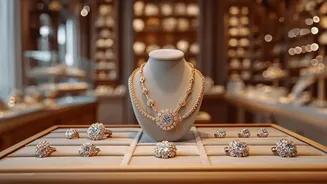
Even without a solid gold path, visitors to Dubai can already indulge in all things golden. The city's famous Gold Souk in Old Dubai is a dazzling labyrinth of shops where everything that glitters truly is gold. It’s a sensory overload in the best way possible, with intricate jewelry, bars of bullion, and custom designs weighing down shop windows. This affinity for gold extends into modern luxury experiences as well. Visitors can sip on a 'palace cappuccino' sprinkled with 24-carat gold flakes at the Emirates Palace Mandarin Oriental in Abu Dhabi or the Armani Hotel in Dubai. Some high-end hotels have even featured gold-dispensing ATMs. These offerings show that incorporating precious metal into the visitor experience is already part of Dubai's DNA, making the idea of a golden walkway a logical, if extravagant, next step.
Beyond the Glitter
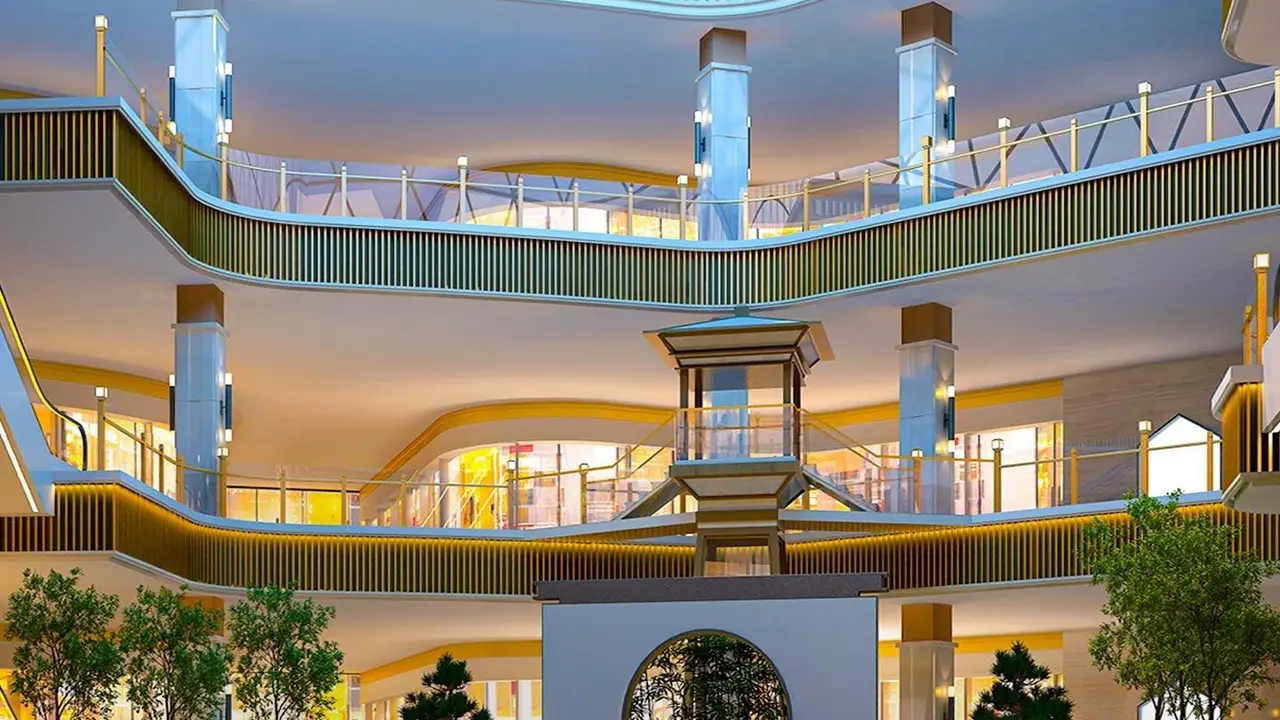
So, what would a 24-carat gold walkway actually offer visitors beyond the obvious photo opportunity? Based on Dubai's approach to its other major attractions, it would be far more than a simple path. It would likely be a fully integrated, multi_sensory experience. Imagine a climate_controlled, art_filled passage connecting luxury retail outlets with Michelin_starred restaurants. It would probably feature interactive digital displays, curated soundscapes, and perhaps even a signature scent. The walkway itself would be an event, a destination where the journey is the reward. It would be designed to manage high foot traffic while making every visitor feel like a VIP, offering a seamless blend of art, commerce, and unparalleled luxury. It would not just be a path to walk on, but a story to be part of.