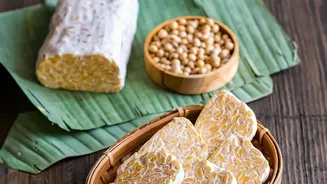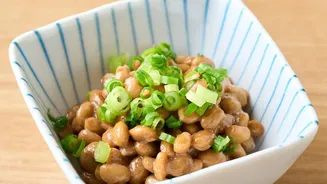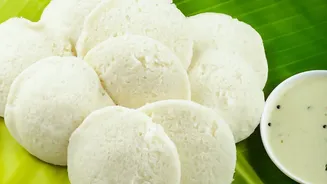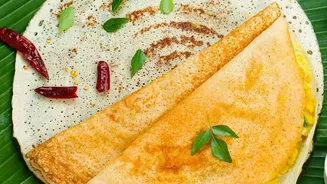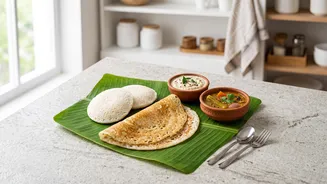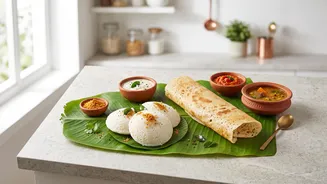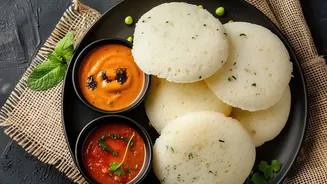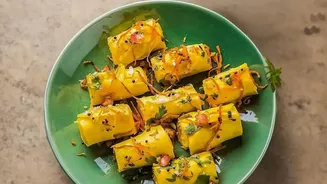



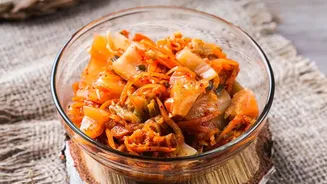
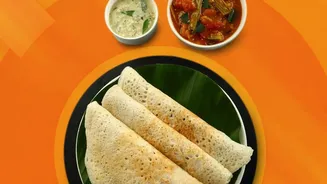
From the fluffy idlis of the south to Gujarat's spongy dhokla, the magic of fermentation is at the heart of India’s culinary heritage. These aren't just comfort foods; they are ancient superfoods packed with modern health benefits.
The Ancient Art of Fermentation
For centuries, Indian
kitchens have used fermentation not just to preserve food, but to transform it. The process involves beneficial microorganisms like bacteria and yeast breaking down starches and sugars in foods. This natural transformation doesn't just create the delicious sour tang in dosa batter or the airy texture of dhokla; it unlocks a host of health benefits, turning simple ingredients into nutritional powerhouses that are easier to digest.
A Natural Boost for Your Gut Health
The term 'gut health' is everywhere today, but Indian diets have nurtured it for generations. Fermented foods are natural sources of probiotics—the 'good' bacteria that help maintain a healthy balance in your digestive system. A balanced gut microbiome is crucial for everything from smooth digestion to a strong immune system. Staples like dahi (curd), idli, dosa, and the tangy North Indian drink kanji are loaded with these beneficial microbes, which can help reduce bloating and improve overall digestive function.
Unlocking Essential Nutrients
One of the most remarkable benefits of fermentation is its ability to make nutrients more available to your body. The process breaks down 'anti-nutrients' like phytates, which are compounds found in grains and legumes that can hinder the absorption of minerals. This means that the iron, calcium, and B vitamins in the rice and lentils used for idli and dosa become easier for your body to absorb after fermentation. So, a fermented meal isn't just easier to digest; it's also more nutritious.
Strengthening Your Body's Defences
Did you know that a large part of your immune system resides in your gut? By promoting a healthy and diverse gut microbiome, fermented foods directly support your body's ability to fight off infections. Regular consumption of these foods has been linked to reduced inflammation in the body. The probiotics found in dishes like fermented pickles and dahi help strengthen the gut lining, which acts as a barrier against harmful pathogens.
Beyond the Breakfast Table
While idli and dosa are famous, India's fermented food traditions are incredibly diverse. In the North_East, you'll find gundruk, a tangy side dish made from fermented leafy greens, and hawaizaar, a protein_rich soybean dish from Manipur. Pakhala, or fermented rice, is a cooling summer staple in Odisha and Bengal. These regional specialties offer unique flavours and a wide array of beneficial microbes, showcasing the depth of India's fermentation wisdom.
An Important Note on Probiotics
It's worth noting that while fermentation creates probiotics in batters and raw ingredients, high heat can diminish them. Some nutritionists point out that the live bacteria in idli and dosa batter may not survive the steaming or cooking process. However, this doesn't make the foods unhealthy. The fermentation process still pre_digests the starches and proteins, making them significantly easier for your body to break down. Furthermore, they act as prebiotics—the fibre that feeds the good bacteria already in your gut. For a direct probiotic hit, uncooked fermented foods like dahi, chaas (buttermilk), and kanji are excellent choices.