


From Overlooked Seed to Superfood Flour
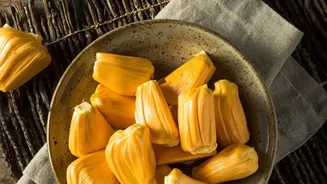
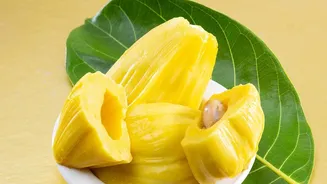
For generations, jackfruit seeds have been a minor, traditional food, sometimes boiled or roasted in various parts of India. However, a significant portion of these seeds, which make up about 8-15% of the fruit's total weight, are typically discarded
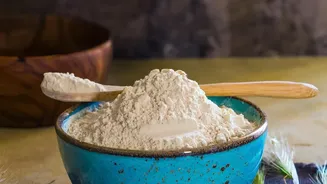
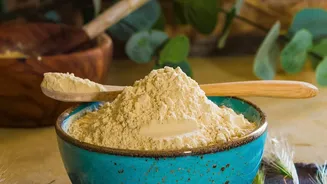
during processing. This contributes to the massive food waste generated from the fruit, which can be as high as 70% of its total weight. The concept of upcycling is giving these seeds a new life. The process is straightforward: the seeds are cleaned, dried, and ground into a fine powder. This transforms an agricultural byproduct into jackfruit seed flour (JSF), a valuable, nutrient-dense ingredient that aligns perfectly with a global push for sustainability and reducing food waste.
A Nutritional Powerhouse
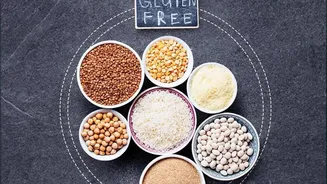
The excitement around jackfruit seed flour stems from its impressive nutritional profile. It is naturally gluten-free, making it an excellent alternative for those with gluten sensitivities. More importantly, it is rich in protein, with studies showing contents of around 13-14 grams per 100 grams. This is significantly higher than many common gluten-free flours like those from rice or potato. The flour is also an excellent source of dietary fibre, complex carbohydrates, and essential minerals such as potassium, calcium, and magnesium. Furthermore, it contains beneficial plant compounds like flavonoids and polyphenols, which have antioxidant properties. This combination of high protein and high fibre helps in promoting satiety, making you feel fuller for longer.
Why Is It a Baker's New Best Friend?
Beyond nutrition, jackfruit seed flour brings unique functional properties to the kitchen. It has a mild, slightly nutty flavour that doesn’t overpower other ingredients, making it versatile for both sweet and savoury dishes. One of its key benefits in gluten-free baking is its ability to hold moisture well, which helps combat the dry, crumbly texture often found in gluten-free goods. Its natural starches also act as an excellent binding agent, improving the structure and texture of products. It can be used to make everything from pancakes and flatbreads to cookies and cakes. While it can be used on its own, it is often blended with other flours. Studies have shown that substituting up to 25% of wheat flour with JSF in breads can be well-received, significantly boosting protein and fibre content.
The Sustainable and Economic Impact
The rise of jackfruit seed flour is not just a culinary trend; it's part of a larger movement towards a circular economy in the food industry. By valorizing, or adding value to, what was once considered waste, this innovation provides a new revenue stream for farmers and processors. India is the world's top producer of jackfruit, and effectively utilizing its byproducts can create a more sustainable and profitable agricultural system. As consumers become more conscious of the environmental impact of their food choices, ingredients like upcycled jackfruit seed flour offer a compelling story. It's a product that is good for personal health and for the planet, tackling food waste one seed at a time.