




The New Travel Philosophy
For many young Indians, a holiday is no longer just an escape, but an investment in themselves. The focus has shifted from simply seeing a place to experiencing it. This means the travel checklist now includes more than just monuments and museums. Instead,
it’s about what you can learn, how you can grow, and the way a trip makes you feel. According to a recent Agoda report, 56% of Indian Gen Z travellers prioritise cultural exploration on their trips. This reflects a deliberate approach to travel, where personal enrichment is the main goal. It’s less about collecting souvenirs and more about collecting skills, memories, and a deeper understanding of the world and oneself.
From Sightseeing to Soul-Searching
What’s driving this significant shift? The reasons are as diverse as the travellers themselves. For many, it's a reaction to the burnout of modern life and the curated perfection of social media. This has fuelled a desire for authenticity and genuine connection. Rather than a perfectly staged photo, the new currency is a unique, personal experience. The pandemic also played a role, encouraging many to reconsider their priorities and seek out journeys of self-discovery. This has led to a boom in experiential travel, a segment projected to reach a staggering $45 billion in India by 2027, driven primarily by travellers aged 18 to 35. This generation values travel as a form of self-expression, with 95% wanting their trips to feel personal and unique.
What These New Holidays Look Like
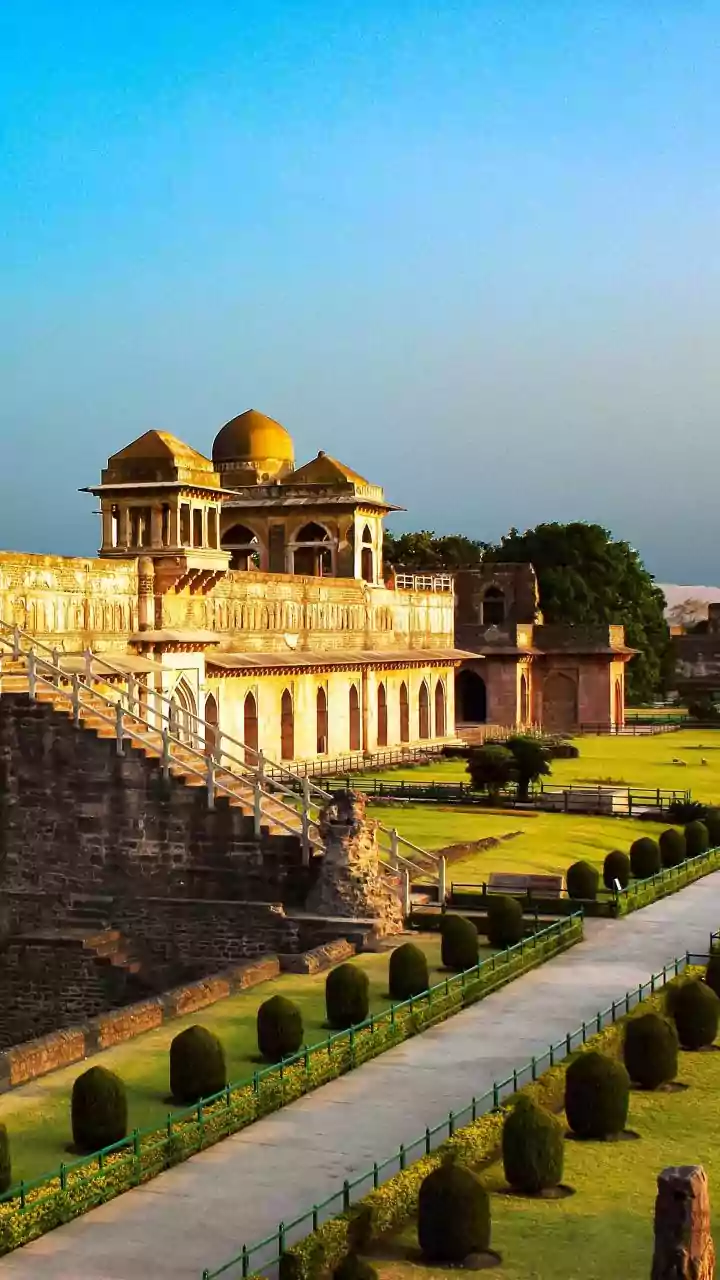
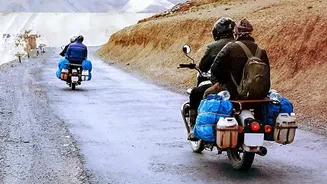
The modern Indian holiday takes many forms. Wellness travel, for instance, is no longer just a spa weekend. It has evolved into immersive retreats focused on everything from yoga and meditation to digital detoxes and mental health workshops. India's wellness tourism market is currently valued at around USD 30.95 billion and is seeing rapid growth as travellers seek out authentic Ayurvedic and holistic healing experiences. Learning holidays are also on the rise, with young people flocking to pottery workshops in Himachal Pradesh, scuba diving courses in the Andamans, or cooking classes in Goa. Cultural immersion goes beyond attending staged shows; it now involves planning trips around local festivals like Hornbill or Pushkar, or opting for village homestays in Uttarakhand to participate in farming and local crafts.
An Industry in Transformation
India's travel industry is quickly adapting to this new demand. Startups and travel companies are curating niche, experience-led packages that cater to these evolving preferences. Hotels are also reimagining their offerings, positioning wellness not just as an amenity but as the central reason for a visit. This includes everything from mindful dining menus to nature immersion activities and storytelling sessions. The trend also favours shorter, more frequent getaways over one long annual vacation. This preference for mini-breaks allows young professionals and students to integrate travel more seamlessly into their lives, exploring hidden gems and lesser-known destinations within the country.