




The Make-or-Break Sowing Window
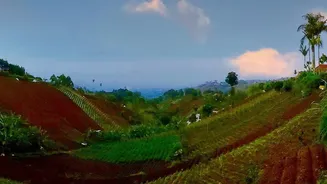
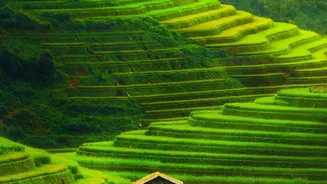
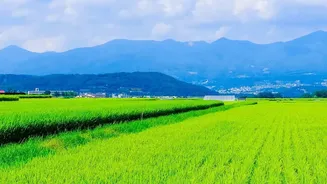
August represents a critical, high-stakes period for Indian agriculture. It's the peak of the Kharif sowing season, when farmers plant essential crops like rice, pulses, soybeans, cotton, and coarse cereals that will feed the nation and fuel the rural
economy. After a June with deficient rains, a welcome recovery in July allowed many farmers to catch up. The total area sown under Kharif crops, which was lagging significantly, has seen its deficit narrow substantially thanks to July's rainfall. However, this progress is fragile. The work is far from over, and the success of these newly sown crops now depends entirely on the monsoon's performance in the coming weeks. Adequate rainfall in August is crucial for germination, early growth, and establishing the crop for the rest of the season.
A Forecast Tinged with Concern
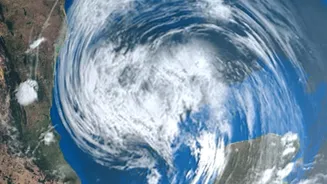
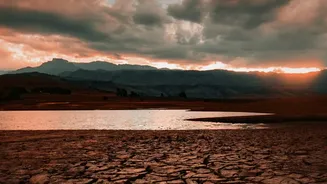
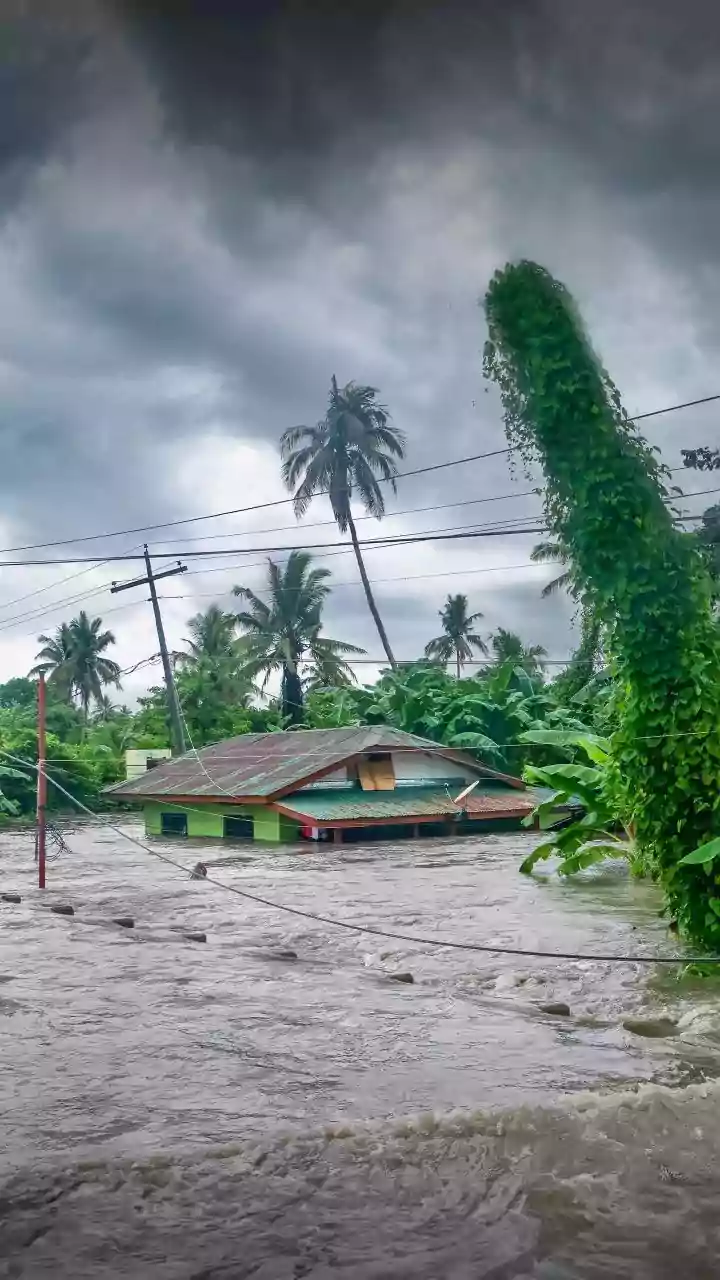
Despite the July revival, a sense of anxiety looms over the agricultural landscape. The India Meteorological Department (IMD) has forecast that rainfall in August 2026 is likely to be 'below normal', meaning less than 94% of the long-period average for the country as a whole. This is largely attributed to strengthening El Niño conditions in the Pacific Ocean, a phenomenon historically associated with weaker monsoons in India. While the national forecast points to a deficit, the story on the ground is one of stark regional contrasts. The IMD notes that some parts of peninsular, central, and northwest India might still receive normal to above-normal rainfall. This uneven distribution is the new reality; even as some regions were deluged in July, others like parts of the east, northeast, and south remained dry.
The Farmer's High-Stakes Gamble
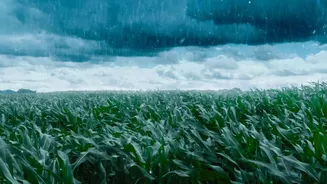
For farmers, this climatic uncertainty translates into a series of difficult choices. Those in regions with good July rains who have already sown their fields are now praying for follow-up showers to nurture the young saplings. A dry spell now could stunt growth and reduce eventual yields. In contrast, farmers in deficit regions face a different dilemma: do they risk sowing with low soil moisture, or wait longer and miss the optimal planting window? Decisions made in the next few weeks will have a direct impact on their livelihoods. Key crops like pulses, particularly tur (arhar), and coarse cereals are already showing significant lags in sowing area compared to last year, which could have knock-on effects on availability and prices.
From Puddled Fields to National Accounts
The outcome of August's rainfall is not just a rural concern. It has profound implications for India's entire economy. The Kharif season is a primary driver of agricultural GDP and rural demand. A bountiful harvest boosts farmer incomes, which in turn fuels spending on everything from tractors to consumer goods. Conversely, a poor season can depress the rural economy and stoke food inflation. With about half of India's farmland still dependent on the monsoon for irrigation, the stakes are incredibly high. The performance of crops like pulses and oilseeds, which are particularly vulnerable to rainfall variations and have seen lagging sowing, will be watched closely as they often contribute to import dependence and price volatility. The health of reservoirs, replenished by monsoon rains, will also determine water availability for the subsequent Rabi (winter) crop season, making the next few weeks critical for the entire agricultural year.