








From 77 to 88: What's the Big Deal?
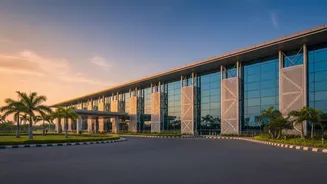
First, let's break down what has changed. The Indian government has added 11 more international ports where foreign nationals holding an e-visa can enter the country. This takes the total from 77 to 88. The new additions include two airports—Bhopal and
Tirupati—and nine land ports, such as Attari on the India-Pakistan border and others along the borders with Bangladesh, Myanmar, and Nepal. This expanded network now comprises 37 airports, 38 seaports, and 13 land ports. Introduced in 2014, the e-visa system was designed to simplify travel for visitors from an initial 43 countries. Today, it serves nationals from 172 countries and covers tourism, business, medical treatment, and conferences. With about 95% of e-visa applications processed within 72 hours, the system has become a cornerstone of India's visa policy, accounting for 78% of all visas issued. This latest expansion isn't just an incremental update; it's about making India more accessible than ever.
Unlocking Regional Tourism and Easing Congestion
One of the most significant impacts of this expansion will be on tourism. Currently, foreign tourist arrivals are heavily concentrated in a few major cities. In June 2026, for example, Delhi, Mumbai, Bengaluru, Chennai, and Hyderabad accounted for the vast majority of entries. By authorising more entry points like Tirupati airport and land crossings in the Northeast, the government is actively encouraging tourists to explore beyond the usual hubs. This helps distribute the economic benefits of tourism more evenly across the country. It empowers regional destinations to attract direct international traffic, fostering local economies and creating jobs. For travellers, it means more convenience and potentially shorter travel times, as they can land closer to their final destination rather than having to transit through a congested metropolitan airport.
A Shot in the Arm for Business and Trade
The benefits extend well beyond leisure travel. A more accessible entry network is a clear signal to the global business community that India is open for business. Business travellers, investors, and professionals attending conferences can now enjoy greater flexibility. The inclusion of more land ports is particularly crucial for trade with neighbouring countries. Ports like Agartala, Moreh, and Jaigaon facilitate smoother movement of people and goods, reinforcing India's 'Neighbourhood First' policy. Furthermore, India has carved out a niche as a destination for medical tourism. The streamlined e-visa process, available for medical and medical attendant categories, combined with more entry points, makes it easier for patients to access healthcare facilities across the country, not just in the major metros.
A Strategic Message of Openness
Ultimately, the expansion to 88 ports is a statement of intent. It reflects a strategic vision for a more connected and integrated India. By liberalising and simplifying its visa regime, the government is enhancing the country's soft power and strengthening diplomatic ties. Making it easier for people to visit builds goodwill and fosters cultural exchange. It also requires a parallel strengthening of technological infrastructure and security at the borders, ensuring that this openness is managed responsibly. This dual focus on facilitation and security is key to building a modern, resilient, and welcoming immigration system. The move demonstrates a clear understanding that in today's interconnected world, accessibility is a major economic and strategic asset.