




Why Organic Matter Is Your Best Friend
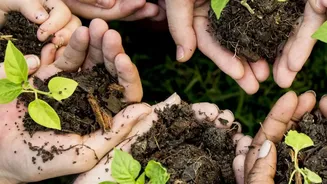
Before we dive into specific scraps, it's important to understand the 'why'. The core principle is that adding organic matter to soil improves its structure. Think of it like adding tiny sponges to your potting mix. This material soaks up water and releases
it slowly, keeping the soil moist for longer. Finished compost is the gold standard for this, as it increases the soil's water-holding capacity and provides valuable nutrients. For every 1% of organic matter, soil can hold significantly more plant-available water. While a full compost pile isn't always practical on a balcony, using kitchen scraps directly is a great shortcut, as long as it's done correctly.
Hack 1: Banana Peels for Potassium and Moisture
Banana peels are a powerhouse of potassium, which is excellent for flowering and fruiting plants. As they break down, they also add valuable organic bulk to the soil. To avoid attracting pests or creating a slimy mess, don't just toss a whole peel on top of the soil. The best method is to chop the peels into small pieces and bury them a few inches deep in the pot, away from the plant's main stem. This allows them to decompose slowly underground. Another popular method is to create 'banana water' by soaking chopped peels in water for a day or two, then using the strained liquid to water your plants. This provides a quick nutrient boost without adding fresh solids to the pot.
Hack 2: Coffee Grounds and Tea Leaves for Structure
Used coffee grounds and loose tea leaves are fantastic for improving soil aeration and water retention. They add a fine, gritty texture that prevents soil from compacting. Contrary to popular belief, used coffee grounds are nearly pH neutral, as the acidity has mostly gone into your cup. However, it's still best to use them in moderation. A common mistake is to add a thick layer on top, which can form a crust and repel water. Instead, mix a small amount into the top inch of soil or add them to your compost. Like with banana peels, you can also create a 'tea' by soaking grounds in water and using the liquid to water plants.
Hack 3: Crushed Eggshells for Aeration and Calcium
Eggshells are primarily known for providing calcium, which they release slowly into the soil. But their benefits for moisture retention come from the structure they add. When crushed into small pieces, they create tiny air pockets within the soil. These pockets not only help with drainage and prevent root rot but also hold onto water. To use them, first rinse the shells thoroughly and let them dry completely. Then, crush them into a coarse powder. The finer they are, the faster they will break down. Sprinkle a small amount on the soil surface or mix it directly into your potting soil.
Hack 4: Vegetable Scraps and Starchy Water
Finely chopped vegetable scraps (like carrot tops, spinach stems, and cucumber peels) can be buried deep within a pot to decompose and release moisture and nutrients over time. Ensure they are buried at least a few inches down to deter pests. Additionally, don't pour starchy water from boiling pasta or vegetables down the drain. Once cooled, this unsalted water contains nutrients that your plants can absorb. Using rice water is another excellent practice; the starchy liquid feeds beneficial soil microbes that help improve soil structure.
A Word of Caution: What to Avoid
Not all kitchen waste is suitable for your pots. Directly adding certain scraps can attract pests, create foul odours, and even harm your plants. Avoid adding meat, fish, dairy products, oils, and greasy or salty foods. These materials decompose poorly in a pot, attract rodents and flies, and can create an unhealthy, anaerobic environment for roots. The key is to stick with plant-based, uncooked scraps and to either chop them finely and bury them or create a liquid 'tea'. Adding too much fresh organic matter at once can lead to mould and attract fungus gnats, so always start with small amounts.