





From Revenge Travel to Restorative Retreats
After years of pent-up demand led to a frantic “revenge travel” boom, a quiet but powerful counter-movement is emerging. The pressure to visit every landmark and capture the perfect social media post has left many feeling more drained than rejuvenated.
A holiday that mirrors the structured, high-pressure nature of daily life isn't a break—it's just exhaustion with better scenery. As a result, younger generations are consciously pushing back against the 'fear of missing out' (FOMO) and embracing the 'joy of missing out' (JOMO). This isn't about laziness; it's a deliberate choice to prioritise mental and physical rest over a packed schedule. The focus is shifting from seeing a place to truly feeling it, turning vacations into a tool for genuine recovery.
The Rise of the 'Nothing-cation'
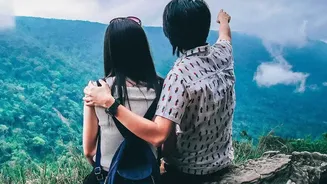
The idea of a 'nothing-cation' or 'do-nothing' holiday is gaining serious traction. An Airbnb report highlighted that two out of three travellers now take trips simply to relax and do nothing. For many young professionals battling burnout from long work weeks, the most luxurious part of a holiday is unscheduled time. This has given rise to slow travel, where the goal is to immerse oneself in a single location rather than hopping between multiple cities. Instead of over-touristed hotspots, travellers are seeking out quieter villages and hidden gems that offer peace and a slower pace of life. It marks a significant departure from previous generations, for whom travel was often about ticking destinations off a bucket list. Now, the experience itself—even if that experience is just reading a book on a quiet balcony—is the main attraction.
Wellness Is the New Itinerary
This trend is deeply connected to the growing prioritisation of wellness. India is rapidly emerging as a top global destination for wellness tourism, with travellers seeking out yoga, meditation, and Ayurveda retreats to genuinely unwind. So-called “napcations,” or holidays designed around catching up on sleep, are also becoming popular. Hotels are responding with sleep-focused packages that include everything from blackout curtains to aromatherapy and guided meditation. This reflects a broader understanding that rest is not a waste of time but a valuable activity in its own right. For a generation acutely aware of mental health, a holiday is increasingly seen as a necessary investment in their well-being.
The 'Workation' and the Unplanned Schedule
The widespread adoption of remote and hybrid work has been a major catalyst for this shift. The rise of the 'workation' allows young professionals to escape urban burnout without taking annual leave. By blending work with travel, they can spend longer periods in scenic, relaxing environments like the mountains of Himachal or the beaches of Goa. Improved internet connectivity has made this lifestyle more accessible than ever. This flexibility also fuels spontaneity. With less need to plan months in advance, many are booking trips just days or weeks before departure. A recent Airbnb report revealed that 64% of Gen Z travellers deliberately leave parts of their itinerary unplanned, allowing for spontaneous exploration and a genuine break from rigid schedules.