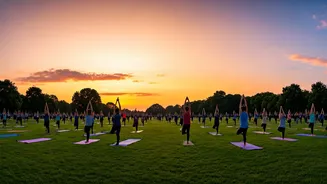









The Scene at Sunrise
Before the city’s usual symphony of traffic horns and hurried footsteps begins, a different kind of gathering is taking place. In Bengaluru's Cubbon Park, Mumbai's Jogger's Park, and Delhi's Lodhi Garden, the green lungs of the metropolis are filling
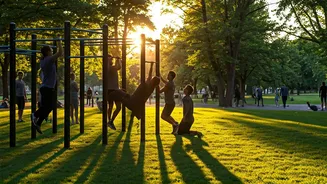
up not with morning walkers alone, but with organised, focused groups. The scene is both serene and energetic. Rows of yoga mats cover the dew-kissed grass, occupied by people of all ages—from college students to retirees—flowing through sun salutations as an instructor guides them. Nearby, another group might be engaged in what’s known as a 'mobility jam', a fluid, almost dance-like session focused on joint health and functional movement. The only sounds are the instructor’s calm voice, the chirping of birds, and the collective breath of a community in motion. This is a far cry from the solitary jog or the enclosed, air-conditioned gym. It’s communal, it’s outdoors, and it's happening on a massive scale.
The Search for Community and Connection
While the physical benefits of yoga and mobility work are well-documented, a key driver of this trend seems to be a deeper human need: connection. In our increasingly digitised and often isolating urban lives, these sunrise sessions offer a rare opportunity for genuine, screen-free community. Participants often speak of the powerful feeling of moving in sync with dozens or even hundreds of others. It fosters a sense of belonging and shared purpose that a solo workout at home or in a gym can rarely replicate. These gatherings often spill over into post-session conversations, with strangers becoming acquaintances over a shared passion for wellness. It’s a low-pressure social environment built around a positive activity, reclaiming public parks as true community hubs, not just passive green spaces.
From Indoor Isolation to Outdoor Ritual
The roots of this movement can be traced back to the pandemic. After months of being confined indoors, there was a collective yearning for open spaces and fresh air. What began as a cautious way to exercise while maintaining physical distance has now blossomed into a full-fledged cultural phenomenon. The pandemic reshuffled our priorities, placing a much higher value on both mental and physical well-being, as well as the simple joy of being outdoors. These park gatherings represent a conscious choice to step away from the “work from home” screen and reconnect with nature, our bodies, and each other. It’s a gentle rebellion against the sedentary, indoor lifestyle that became the norm, transforming a public health crisis into a public wellness movement.
Understanding the 'Mobility Jam'
While yoga is a familiar concept to most, the term ‘mobility jam’ might be new. Unlike traditional stretching, which focuses on muscle length, mobility is about improving the range of motion of your joints. A mobility jam, or mobility flow session, guides participants through a series of dynamic movements that lubricate the joints and improve functional strength—think deep squats, spinal waves, and shoulder rotations. The 'jam' aspect refers to the playful, improvisational feel of the session, often set to music. It’s less about holding a perfect pose and more about exploring how your body can move. This appeals to a wide audience, from serious athletes looking to prevent injury to office workers trying to undo the damage of sitting all day. It’s a mindful, practical approach to fitness that perfectly complements the ethos of the outdoor wellness trend.
The Power of a WhatsApp Group
This largely grassroots movement is powered by a new generation of fitness instructors and community organisers. They aren't necessarily big brands or large corporations. Often, it's a single passionate yoga teacher or mobility coach who starts a class in a local park. Word spreads organically through social media—an Instagram post showing a beautiful sunrise session, a story with a location tag, or a quick update in a neighbourhood WhatsApp or Telegram group. These platforms have been instrumental in democratising fitness, allowing instructors to connect directly with their audience without the overhead of a brick-and-mortar studio. This makes the sessions more accessible and affordable, further fuelling their popularity and drawing in crowds that might have been intimidated by a traditional gym or studio environment.