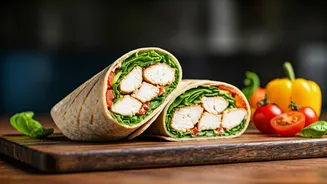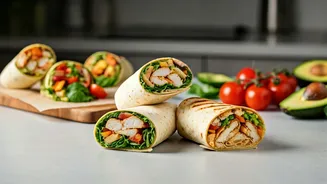




The Foundation: Choose Your Wrap Wisely
The first step to a better wrap is selecting the right tortilla. While a standard flour tortilla is a classic choice, the market now offers a variety of healthier and more functional alternatives. Whole-wheat or high-fiber tortillas add a nutritional
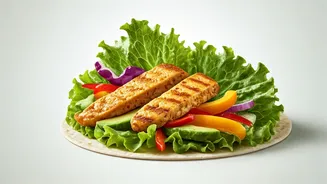
boost and a heartier texture. For those watching their carbohydrate intake, options like Mission Carb Balance or La Tortilla Factory's low-carb versions are widely available and hold up well to fillings. You can also find tortillas made from almond flour, cauliflower, or even coconut for a gluten-free approach. Some innovative recipes even use ingredients like Greek yogurt or chicken and eggs to create pliable, high-protein, low-carb wraps from scratch. Don't be afraid to think outside the box with large lettuce leaves, like romaine or butter lettuce, for a fresh, crunchy, and carb-free container.
Power Up With Protein
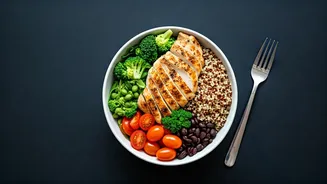
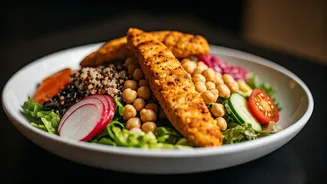
The star of your wrap should be a quality protein source. While grilled chicken is a popular choice, there's a world of options to explore. Lean proteins like turkey, salmon, shrimp, and even mackerel make excellent fillings. For plant-based power, consider seasoned chickpeas, black beans, lentils, or baked tofu. Eggs, whether scrambled in a breakfast burrito or as a thin omelet layer, also provide a fantastic protein boost. To maximize flavor, don't just cook your protein—season it well. A simple mix of spices like paprika, cumin, garlic powder, and onion powder can transform bland chicken into a flavourful star. No matter your choice, aim for a substantial portion to ensure your wrap is satisfying and keeps you full.
The Secret Weapon: Smarter Sauces
Sauce is what ties a wrap together, but it’s often the primary culprit for both sogginess and hidden calories. Ditch the heavy mayonnaise and creamy dressings for healthier, more flavourful alternatives. Plain Greek yogurt is a versatile base for sauces; you can mix it with lime juice and cilantro, dill and garlic, or ranch seasoning for a creamy, high-protein spread. Hummus is another excellent choice, adding flavour, fiber, and a bit of plant-based protein. Other smart options include mashed avocado, chimichurri, tzatziki, or a light vinaigrette. The key is to choose thicker sauces over thin, watery dressings to help maintain the structural integrity of your wrap.
Mastering Construction to Beat the Sog
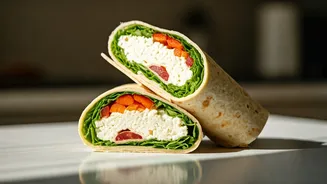
The art of a great wrap lies in its construction. Preventing a soggy mess is the ultimate goal, especially if you're prepping your lunch ahead of time. The number one rule is to create a barrier between your wet ingredients and the tortilla itself. Start by laying down a protective layer of large lettuce leaves or spinach. This 'shield' can also be a slice of cheese or even a layer of your sliced protein. Next, add your drier ingredients, followed by the 'wetter' ones like diced tomatoes or cucumbers in the center. Always let hot fillings, like cooked chicken or roasted vegetables, cool down completely before assembling, as steam is a primary cause of sogginess. Finally, when adding your sauce, spread it in the center of the fillings rather than directly on the tortilla.
The Final Fold
Once your ingredients are strategically layered, it’s time for the final, crucial step: the fold. Don't overfill your tortilla; it's the most common mistake and leads to a wrap that's impossible to close and eat neatly. To make the tortilla more pliable and less likely to crack, you can warm it for a few seconds in the microwave or a dry pan. To roll it like a burrito, fold in the sides first over the filling, then use your thumbs to bring up the bottom flap, tucking it tightly around the ingredients as you roll it forward. This creates a secure package that holds everything together, allowing you to enjoy every bite without the contents ending up in your lap.