





The Brain on Quick Hits
Short-form video platforms are designed to deliver rapid, constant bursts of novelty. Each quick video can trigger a small release of dopamine, the brain's pleasure chemical, creating a reward loop that makes it hard to stop scrolling. This process trains
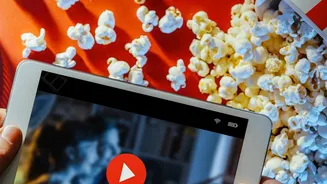
the brain to expect and prefer high-frequency stimulation. In contrast, feature films require sustained attention, a different cognitive muscle entirely. They build worlds, develop characters, and layer themes at a slower pace. Research and user anecdotes suggest that heavy consumption of short-form content can lead to what some call 'TikTok brain' or 'popcorn brain,' a state where the mind feels restless and impatient with slower-paced activities like reading a book or watching a full-length movie. This isn't necessarily a permanent change, but a shift in our cognitive habits, making the deep focus required for cinema feel more like a chore.
Cinema's Adaptation Strategy
Hollywood is not oblivious to this trend. The industry is adapting, though not by abandoning long-form storytelling. One of the most visible changes is in marketing. Movie studios now heavily rely on TikTok and Instagram Reels to promote their films, using trending sounds and snappy clips to capture the attention of younger audiences. This strategy can give a significant boost to films that might otherwise be overlooked. Beyond marketing, some argue that the pacing of movies themselves is changing. Editing seems faster, scenes are shorter, and narratives are packed with more immediate hooks to keep viewers engaged from the first minute. While filmmakers have always used editing to control pace, the pressure to hold a viewer's fragmented attention is arguably accelerating this trend.
Is It Attention or Preference?
The narrative that attention spans are being 'destroyed' might be too simplistic. An alternative view is that we are not losing our ability to focus, but rather our preferences are shifting. Audiences raised on a diet of fast-paced, user-generated content have developed a different kind of media literacy. They are accustomed to different storytelling rhythms and may simply be less tolerant of films that don't engage them immediately. The rise of binge-watching entire seasons of a TV show suggests that long-form attention is still possible when the content is compelling enough. However, even during a binge-watch, many viewers engage in 'second-screening'—scrolling on their phones while the show is on. This points not to a lack of attention, but to a habit of divided attention.
The Enduring Power of the Big Screen
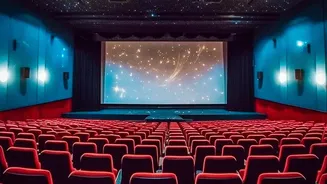
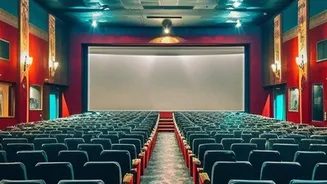
Despite these challenges, reports of cinema's death are greatly exaggerated. The box office has seen a strong recovery, with several recent, lengthy blockbusters proving that audiences will still show up for a compelling cinematic experience. Films like 'The Odyssey' and 'Spider-Man: Brand New Day' have demonstrated that epic storytelling can still capture the public imagination and draw huge crowds. The communal, immersive experience of being in a dark theatre, free from the distractions of a phone, remains a powerful draw. It offers an escape that a small screen cannot replicate. Rather than killing cinema, the rise of short videos may be clarifying its unique value proposition: a dedicated space for deep, uninterrupted immersion in a story.