






The Science of Satiety
Dietary fibre is a type of carbohydrate that our bodies can't digest. [17] Instead of being broken down, it passes through our system, providing a host of benefits, most notably the feeling of fullness, or satiety. [8] There are two main types of fibre,
and both play a role. Soluble fibre dissolves in water to form a gel-like substance in your gut. [2, 14] This gel slows down digestion, which means food stays in your stomach for longer, delaying the return of hunger pangs. [9, 21] Insoluble fibre, on the other hand, doesn't dissolve. It adds bulk to your stool and helps food pass more quickly through your digestive system. [5, 14] This physical bulk also takes up space in your stomach, contributing to that feeling of fullness and helping you eat less overall. [17, 24]
Power Up with Whole Grains
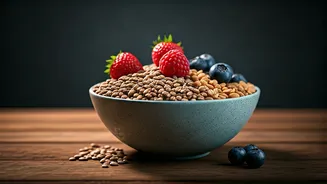
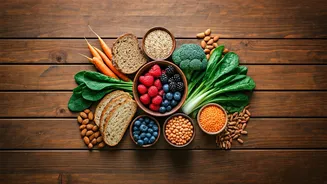
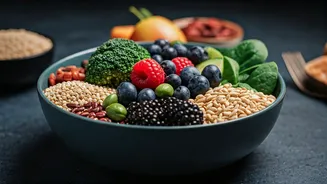
One of the easiest ways to boost your fibre intake is by choosing whole grains over refined ones. In India, this is especially simple with staples like whole wheat atta for rotis, brown rice instead of white, and the incredible variety of millets such as ragi, jowar, and bajra. [3, 18] These grains are packed with insoluble fibre. [16] Starting your day with a bowl of oats or a millet-based porridge can set you up for sustained energy and reduced hunger throughout the morning. [3] When shopping for bread or cereals, check the label for 'whole grain' as the first ingredient and aim for products with at least 3-5 grams of fibre per serving. [4, 6]
Lean on Lentils and Legumes
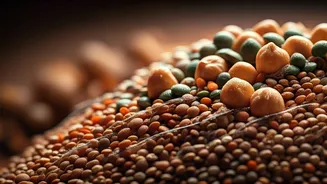
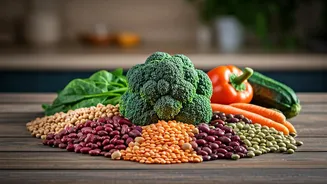
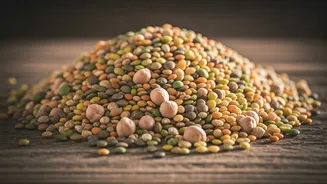
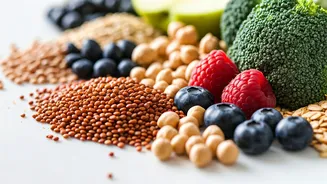
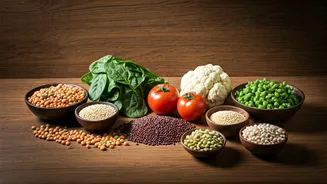
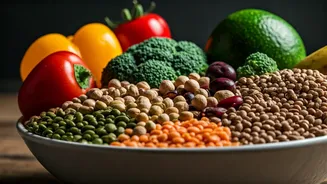
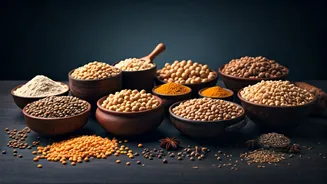
Lentils (dals), beans, and chickpeas are cornerstones of Indian cuisine and fibre superstars. [10] A single serving of rajma, chana masala, or a simple dal can provide a significant portion of your daily fibre needs. [3, 10] These legumes are rich in soluble fibre, which helps stabilise blood sugar levels, preventing the energy crashes that can lead to cravings. [7, 21] They are also an excellent source of plant-based protein, which works in tandem with fibre to enhance satiety. [27] Try incorporating dishes like moong dal chilla, vegetable sambar, or khichdi with plenty of vegetables into your weekly meal plan. [3]
Fill Your Plate with Fruits and Vegetables
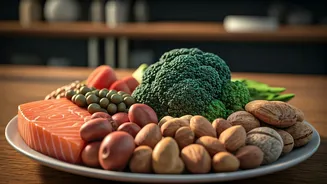
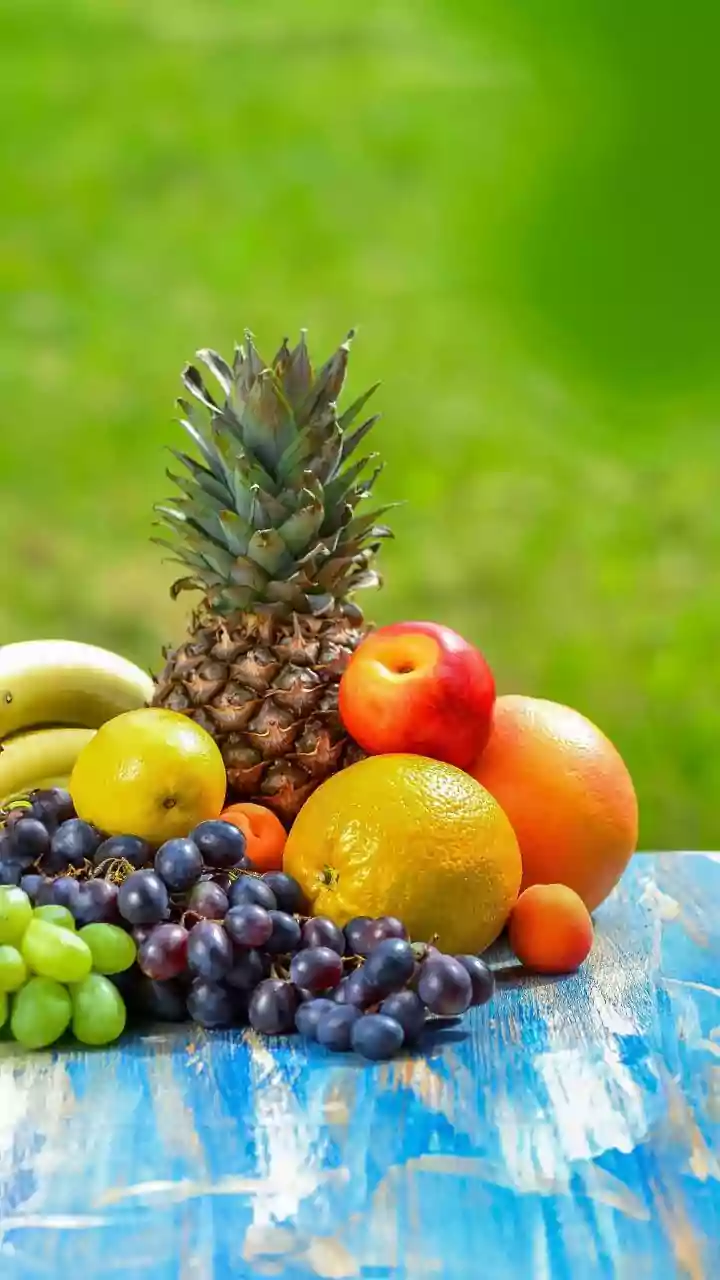
Fruits and vegetables are not only rich in vitamins and minerals but are also excellent sources of fibre and water. High-fibre heroes common in India include guava (one of the best sources), apples (with the skin), bananas, papaya, okra (bhindi), carrots, and green peas. [3, 12, 18] High-fibre foods are typically less 'energy-dense', meaning they have fewer calories for the same volume of food. [21] This allows you to eat a satisfying amount without overconsuming calories. [17] For maximum benefit, eat your fruits whole rather than juicing them, as the juicing process removes most of the beneficial fibre.
A Smooth and Steady Transition
While fibre is fantastic, adding too much too quickly can lead to uncomfortable side effects like gas, bloating, and cramping. [22] The key is to increase your intake gradually over a few weeks. [21, 22] For example, start by swapping white rice for brown rice at one meal, and a week later, add a high-fibre fruit as a daily snack. [19] It is crucial to drink plenty of water as you increase your fibre intake. [25] Water helps soluble fibre form its beneficial gel and prevents the digestive system from getting backed up. [19, 25] Aim to spread your fibre intake throughout the day rather than consuming it all in one meal. [19]