







More Than Just a Health Bar
In a world saturated with protein bars promising a myriad of benefits, a new contender is quietly taking over the pantries of the health-conscious. It’s not flashy, it’s not foreign, and its roots are deeply embedded in Indian soil. We’re talking about
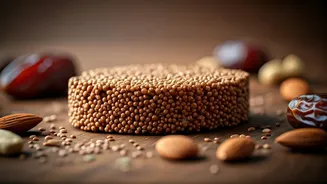
the sprouted ragi energy bar. For years, the wellness 'flex' was about sourcing exotic ingredients from far-off lands. But a powerful shift is underway. The new cool is local, sustainable, and rooted in tradition. This energy bar isn't just food; it's a statement. It says you value nutrition, you understand your heritage, and you’re smart enough to find the future of wellness in your own backyard.
Ragi: The Original Superfood
Before 'superfood' became a marketing buzzword, there was ragi. Also known as finger millet, this hardy grain has been a staple in South Indian and Maharashtrian households for centuries. Traditionally consumed as porridge (kanji), rotis, or dosas, ragi is a nutritional powerhouse. It's one of the best plant-based sources of calcium, crucial for bone health. It’s also rich in iron, fibre, and amino acids like methionine. Its low glycemic index makes it an excellent food for managing blood sugar levels, providing sustained energy release instead of the quick spike and crash associated with sugary snacks. For generations, it was the go-to weaning food for babies and a source of strength for labourers, a testament to its profound nutritional value.
The Game-Changing Magic of Sprouting
So if ragi is already so good, why sprout it? Sprouting, or germination, is the process of soaking grains until they begin to grow a tiny shoot. This simple, natural process unlocks a whole new level of nutrition. When a grain sprouts, it activates enzymes that begin breaking down complex starches and anti-nutrients like phytic acid. Phytic acid can bind to minerals like calcium, iron, and zinc, preventing your body from absorbing them fully. Sprouting neutralises this effect, making these vital minerals more bioavailable. Furthermore, the process increases the levels of certain vitamins, particularly Vitamin C and B vitamins, and makes the grain easier to digest. In short, sprouting turns an already excellent food into a superior one.
From Porridge to Power Bar
The genius of the sprouted ragi energy bar lies in its format. While ragi porridge is incredibly nourishing, it’s not exactly a convenient desk-side snack. Modern urban life demands portability and ease. Food entrepreneurs have tapped into this need, transforming the traditional grain into a format that fits seamlessly into a busy schedule. These bars combine the benefits of sprouted ragi with other healthy ingredients like nuts, seeds, dates, and natural sweeteners like jaggery or honey. It’s the perfect pre-workout fuel, mid-afternoon pick-me-up, or guilt-free treat. It delivers the ancestral wisdom of ragi in a package built for the 21st-century consumer.
Decoding the 'Flex'
Why is pulling a ragi bar from your bag considered a 'flex'? It’s a subtle signal of conscious consumption. It shows you’re discerning enough to look past slick marketing for imported goods and appreciate the value of local ingredients. It’s an act of connecting with Indian agricultural heritage while embracing modern nutritional science. In a way, it’s a quiet rebellion against a globalised food culture that often overlooks the treasures right under our noses. Eating a sprouted ragi bar says you’re not just following a trend; you’re part of a movement that celebrates homegrown wellness, sustainability, and intelligent eating.
How to Choose a Good One
As the trend grows, so will the number of options. Not all ragi bars are created equal. When choosing one, the first place to look is the ingredient list. The shorter and more recognisable, the better. Look for sprouted ragi as one of the primary ingredients. Check the sweetener used – dates, jaggery, or honey are better choices than refined sugar, corn syrup, or artificial sweeteners. Also, look for healthy fats from nuts and seeds rather than processed vegetable oils. A good bar should be a clean source of energy, free from unnecessary preservatives, artificial flavours, and fillers. The goal is to get the benefits of the core ingredient, not a candy bar in disguise.