





Creation, Not Just Destruction
The headline figure from Gartner's latest report is that by 2030, artificial intelligence will have created 10.6 million new jobs worldwide. However, this number must be seen in context. Over the same period, the firm projects that 8.9 million jobs will be eliminated,
leading to a net increase of 1.7 million jobs. This counters the widespread fear of mass unemployment, suggesting AI will be more of a job market transformer than a pure job destroyer. According to Gartner analyst Helen Poitevin, leading companies see AI not as a tool to simply replace workers, but as a 'catalyst to reinvent operations'. The focus is on rebalancing the workforce with new technological capabilities to drive economic value beyond simple labour cuts.
The 'Deferred Job' Effect
Beyond creation and destruction, Gartner identifies a third, less visible category: deferred jobs. These are positions that companies would have otherwise created but are holding back on due to uncertainty or expectations about AI's productivity gains. In 2026 alone, an estimated 1.3 million positions were deferred. Cumulatively, Gartner forecasts that 5 million people will experience these hiring delays by 2030. John Lovelock, a chief analyst at Gartner, clarifies that 'deferred jobs are not the same as lost jobs. They simply aren't created'. This phenomenon is expected to hit entry-level roles the hardest, though many of these positions may eventually be filled after a delay of 12 to 24 months.
A Tale of Three Industries
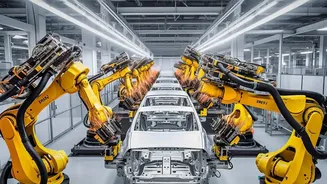
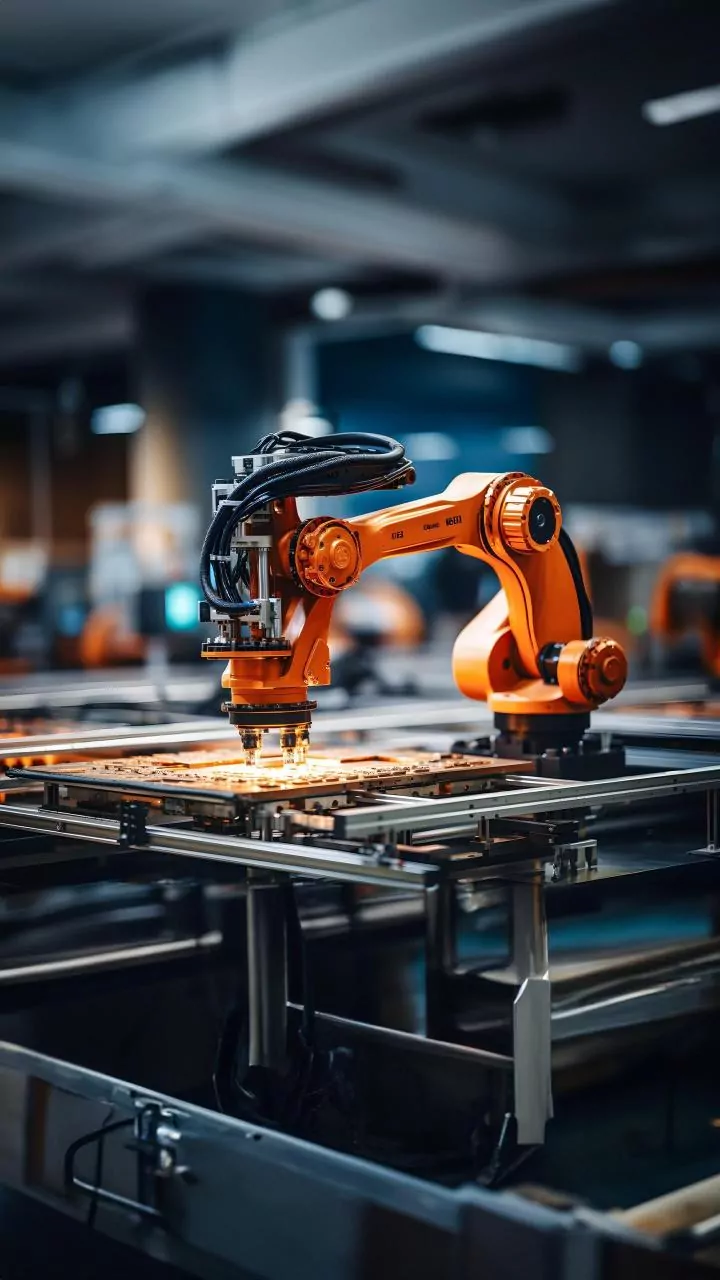
The impact of AI will not be uniform across sectors. Gartner's forecast breaks down the effects on three major industry groups. The technology sector, despite having high exposure to AI, is projected to be the biggest winner, with a net gain of 1.5 million jobs by 2030 (1.9 million created versus 400,000 lost). Asset-intensive industries like manufacturing and transport will see a massive churn, with 6.4 million jobs created and 6.0 million lost, for a small net gain. The public sector is the only one forecasted to see a net loss, shedding 500,000 jobs as gains fail to keep pace with cuts.
The Real Story: Job Transformation
Perhaps the most significant finding is not about job numbers, but job roles. Gartner projects that over 20% of the global workforce, or about 435.5 million people, will see their jobs redesigned because of AI. This means their day-to-day tasks, responsibilities, and workflows will fundamentally change. The focus will shift from roles that can be automated to roles that require human oversight, collaboration with AI, and new hybrid skills. New job families are expected to emerge, including AI system trainers, ethics officers, and prompt engineers who specialise in optimising human-AI interaction. For the Indian IT sector and large enterprises, the ability to reskill and redeploy the existing workforce to fill these transformed roles will be a critical competitive advantage.