






Confirm the Market Is Strong, Not Speculative
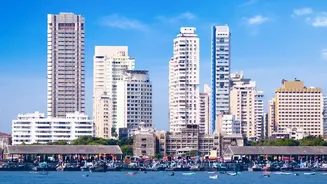
The Mumbai property market in 2026 is characterized by steady, end-user-driven demand rather than speculative frenzy. Data from the first half of 2026 shows a stable market with a modest 4% year-on-year price increase. However, this stability means prices
remain high, and good properties move quickly. Buyers are more selective, focusing on long-term value, connectivity, and developer reputation. Redevelopment projects are a major source of new supply, now accounting for 15% of housing sales in the city. This indicates a preference for new homes in established locations. For a homebuyer, this means you are entering a mature market where diligence is key, as affordability remains a significant challenge.
Verify All Project and Builder Credentials
The first and most critical step is to verify the project’s registration on the Maharashtra Real Estate Regulatory Authority (MahaRERA) website. By law, every developer must register their project before marketing it. The MahaRERA portal provides crucial details like the legally binding possession date, approved building plans, and the project's litigation history. You can search by the project name, promoter, or RERA number. A valid, active registration is a non-negotiable checkpoint. This single verification protects you from fraudulent projects and provides legal recourse if the developer fails to deliver on time.
Scrutinise the Essential Legal Documents
A property transaction involves a chain of crucial legal papers. Before signing anything, a buyer must examine the Title Deed to confirm the seller's undisputed ownership and right to sell. The next key document is the Agreement for Sale, which outlines all terms and conditions of the deal. It is also vital to check for an Encumbrance Certificate, which confirms the property is free from any existing loans or legal dues. For new constructions, the developer must have a Commencement Certificate (CC) to begin work and, most importantly, an Occupancy Certificate (OC) certifying the building is complete and safe to live in. Never take possession of a flat without a valid OC for the building.
Calculate the Full Cost of Ownership
The listed price of a flat is just the beginning. The total acquisition cost is typically 8-10% higher. In Mumbai, buyers must pay stamp duty and registration charges to legally record the ownership. As of 2026, stamp duty is 6% for male buyers and 5% for female buyers, which includes a 1% Metro Cess. The registration charge is 1% of the property value, capped at ₹30,000 for properties valued above ₹30 lakh. For under-construction properties, a Goods and Services Tax (GST) of 5% is also applicable. Other costs to budget for include society formation charges, monthly maintenance fees, and interior fit-outs.
Assess the Location and Future Infrastructure
A property's long-term value is heavily tied to its location and connectivity. In Mumbai, property rates are increasingly determined by commute times and proximity to infrastructure like the metro network, not just the prestige of an address. When evaluating a potential home, look beyond the apartment itself. Assess the quality of social infrastructure, including nearby schools, hospitals, and markets. Investigate the area’s future development plans. Is a new metro line or highway connector planned? While infrastructure projects can boost property values, it's wise to base your decision on existing connectivity rather than solely on future promises.