






More Than Just Muscle
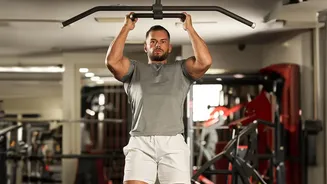
For decades, the weights area of the gym was often seen as the exclusive domain of bodybuilders. Today, that stereotype is fading fast. Strength training is experiencing a significant surge in popularity across all demographics, particularly among women
and older adults. This shift is driven by a growing understanding that lifting weights offers benefits far beyond aesthetics. It's becoming recognised as a fundamental pillar of long-term health, moving from a niche pursuit to a mainstream wellness strategy. Experts point to a cultural change where the goal is less about achieving a certain look and more about building a resilient, functional body for a longer, more vibrant life.
Your Body’s Metabolic Engine
One of the most powerful benefits of strength training lies in its ability to revolutionise your metabolism. Muscle is your body's most metabolically active tissue, meaning it burns more calories at rest than fat does. By increasing your muscle mass through resistance training, you effectively turn up your body's resting metabolic rate. This means you burn more energy throughout the day, even when you're sitting at your desk. But the benefits go deeper. Strength training dramatically improves your body's insulin sensitivity, which is its ability to manage blood sugar. This helps reduce the risk of type 2 diabetes and metabolic syndrome, making it a crucial tool for metabolic health.
Building a Longer, Stronger Life
The link between muscle mass and longevity is becoming one of the most compelling findings in health research. Studies have consistently shown that individuals with greater muscle mass and strength have a significantly lower risk of dying from any cause. A landmark Harvard-led study found that just 90 to 120 minutes of strength training per week was associated with a 13% lower risk of premature death and a 19% lower risk of dying from cardiovascular disease. As we age, we naturally lose muscle mass in a process called sarcopenia, which contributes to frailty, falls, and a loss of independence. Strength training is the most effective way to combat this, helping to maintain strong bones, improve balance, and preserve physical function well into our later years. It's an investment in not just a longer life, but a life with higher quality and greater independence.
It's Never Too Late to Start
The idea of starting a strength training routine can be intimidating, but experts emphasise that it is accessible to everyone, regardless of age or current fitness level. It’s a myth that you need to lift heavy barbells to see results. Benefits can be achieved with bodyweight exercises like squats and pushups, resistance bands, or light dumbbells. The key is consistency. Research shows that even older adults who begin strength training later in life can see remarkable gains in muscle mass and strength, effectively slowing or even reversing some age_related decline. Experts recommend aiming for at least two sessions per week that work all major muscle groups. The focus should be on proper form and gradual progression, ensuring the activity remains safe and effective.