
Meet the Misunderstood Spice
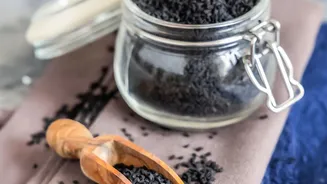
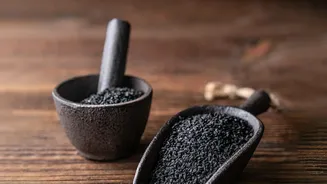
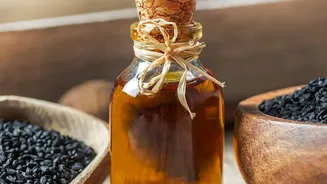
Known as kalonji in India, nigella seeds (from the Nigella sativa plant) are one of the most misunderstood spices in the kitchen. These tiny, matte black, angular seeds are often confused with black sesame seeds, but they are entirely different. Black
sesame seeds are smooth, oval-shaped, and have a mild, nutty taste. Nigella seeds, by contrast, are more triangular and pack a complex, pungent flavour. While sometimes called 'black onion seeds', they have no botanical relation to onions; the name likely comes from their faint onion-like aroma when cooked. These seeds have a rich history, used for thousands of years in South Asian, Middle Eastern, and North African cuisines.
A Uniquely Savoury Flavour Profile
The magic of nigella seeds lies in their distinctive taste. They deliver a peppery, slightly bitter, and savoury punch with notes of onion, oregano, and nuts. Crushing a seed between your fingers releases an instantly sharp, herbaceous aroma, a world away from the sweeter scent of sesame. To bring out their full potential, many cooks recommend briefly dry-roasting the seeds in a hot pan until fragrant. This simple step deepens their nutty undertones and mellows their bitterness, making them an ideal companion for a wide range of savoury dishes, especially bread.
The Perfect Partner for Breads
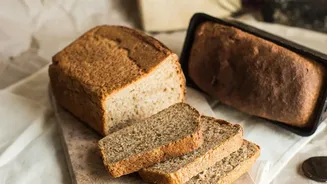
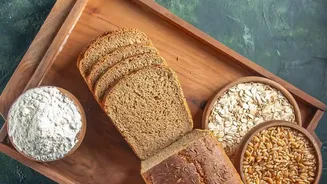
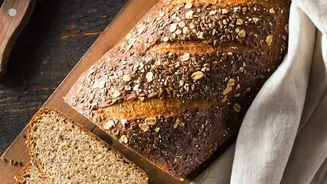
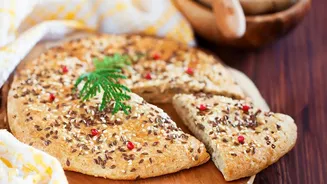
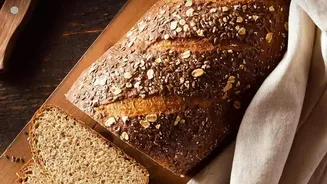
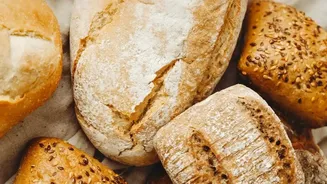
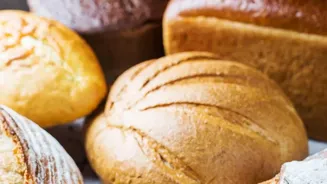
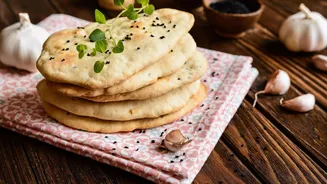
Nigella seeds and bread are a classic pairing for a reason. Their robust, savoury character beautifully complements the simple, wholesome taste of baked dough. The most iconic use is as a topping for Indian naan bread, where the seeds are scattered over the dough before baking, becoming toasted and aromatic in the oven's heat. But their use extends far beyond flatbreads. Home bakers are finding they add a sophisticated twist to everything from everyday sandwich loaves and pitta bread to dinner rolls, savoury scones, and even the crust of a homemade pizza.
How to Use Nigella Seeds in Your Baking
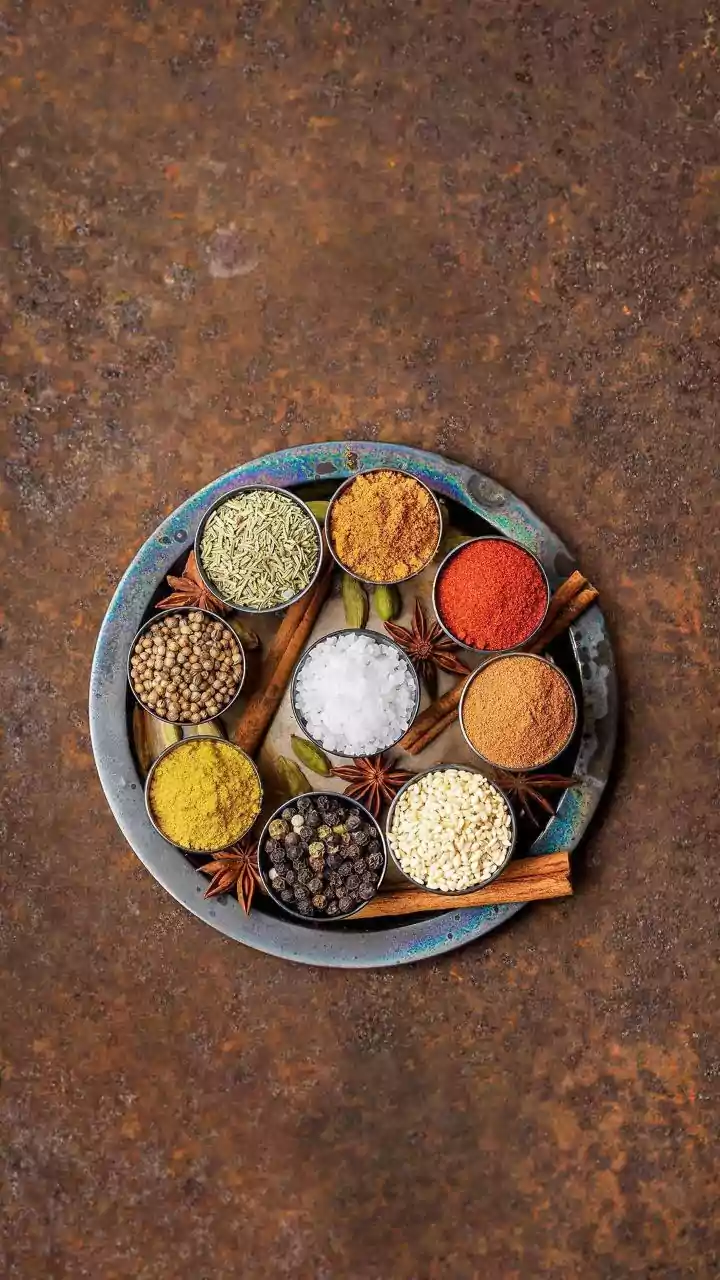
Incorporating nigella seeds is wonderfully simple. The easiest method is to use them as a topping. Just before the final proof or bake, lightly brush your dough with water or an egg wash and sprinkle the seeds generously over the surface. This not only adds flavour but also a professional, decorative touch. Alternatively, you can mix the seeds directly into the dough along with your other dry ingredients. A good starting point is one to three teaspoons of seeds for a standard loaf, as their flavour is potent. They pair especially well with other spices like cumin, coriander, and sesame seeds.
Beyond the Bread Basket
Once you fall for their unique flavour, you'll find countless other uses for nigella seeds. They are a core component of the Bengali five-spice blend, panch phoron, used for tempering dals and vegetable dishes. A sprinkle can liven up roasted vegetables, particularly potatoes, cauliflower, and carrots. They are also a staple in many Indian pickles, adding a crunchy texture and peppery notes. Modern cooks are adding them to salad dressings, hummus, and even avocado toast for a surprising burst of savoury flavour.