






A New Golden Age for Live Music
Not long ago, a major Indian artist touring internationally was a novelty. Today, it’s a headline-grabbing, record-shattering norm. Punjabi superstar Diljit Dosanjh’s 2026 'Aura World Tour' is a case in point, grossing a staggering $32 million in its
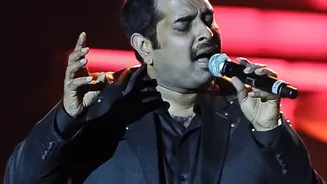
North American leg alone and selling out London's iconic Wembley Stadium. He’s not an outlier but a powerful example of a much broader trend. Artists like Anuv Jain, Prateek Kuhad, and Shankar Mahadevan are also embarking on multi-country tours, playing to packed houses. Simultaneously, within India, the concert map is being redrawn. The live events market, which surpassed ₹12,000 crore in 2024, is expanding at an explosive rate. Crucially, this growth isn't just confined to metros like Mumbai and Delhi; it’s thriving in Tier-2 and Tier-3 cities like Kanpur, Jodhpur, and Visakhapatnam, which now host major ticketed shows.
From Streaming Feeds to Stadium Seats
What’s fueling this explosion? The journey from a fan discovering a song to buying a concert ticket now begins on a smartphone screen. Streaming platforms and social media have completely democratised music discovery, severing the long-held dependence on Bollywood for an artist's success. A viral 15-second clip on Instagram Reels or a trending track on Spotify can build a massive, dedicated fanbase for an artist, independent of film placements. This creates a direct 'streaming-to-stage' pipeline. Fans develop a strong sense of ownership and community online. When an artist they discovered announces a tour, buying a ticket becomes the ultimate act of validation—a chance to be in a physical space with thousands who share their taste. This verifiable digital popularity gives artists leverage with promoters like Live Nation, proving they can sell tickets and fill venues, making large-scale tours economically viable.
Beyond Bollywood's Shadow
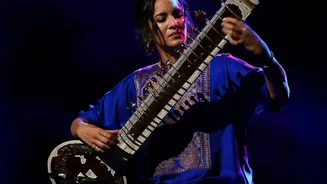
This boom is also a story of musical diversification. For decades, live shows were dominated by film music playback singers. Now, a rich variety of genres are commanding their own loyal audiences. The global success of Punjabi pop, led by artists like Diljit Dosanjh, is undeniable. But so is the rise of the indie-pop scene, with singer-songwriters like Anuv Jain building global tour schedules from the ground up. Indian hip-hop, represented by acts like Divine, is also making international inroads. Even the classical music scene has adapted, with artists leveraging online platforms to maintain and grow their audience. This genre diversity means there is a concert for every type of music fan, creating a more robust and resilient live music ecosystem that stands on its own, separate from the film industry.
The Global Stage and Its New Audience
Internationally, the audience for Indian artists is changing. While the vast and supportive South Asian diaspora in countries like Canada and Australia remains a crucial market, the appeal is broadening. Dosanjh’s performance at Coachella in 2023, the festival's first fully Punjabi-language set, was a landmark moment, exposing his music to a diverse, global audience. His subsequent success, including selling out two nights at New York's Madison Square Garden, shows a growing crossover appeal. Promoters have noted this shift, stating that the demand reflects not just the diaspora but a worldwide interest in South Asian artists. This isn't just about music; it's about culture. Fans, both Indian and international, are flocking to these shows for the high-energy spectacle, the vibrant visuals, and the unique cultural experience that Indian artists bring to the global stage.